
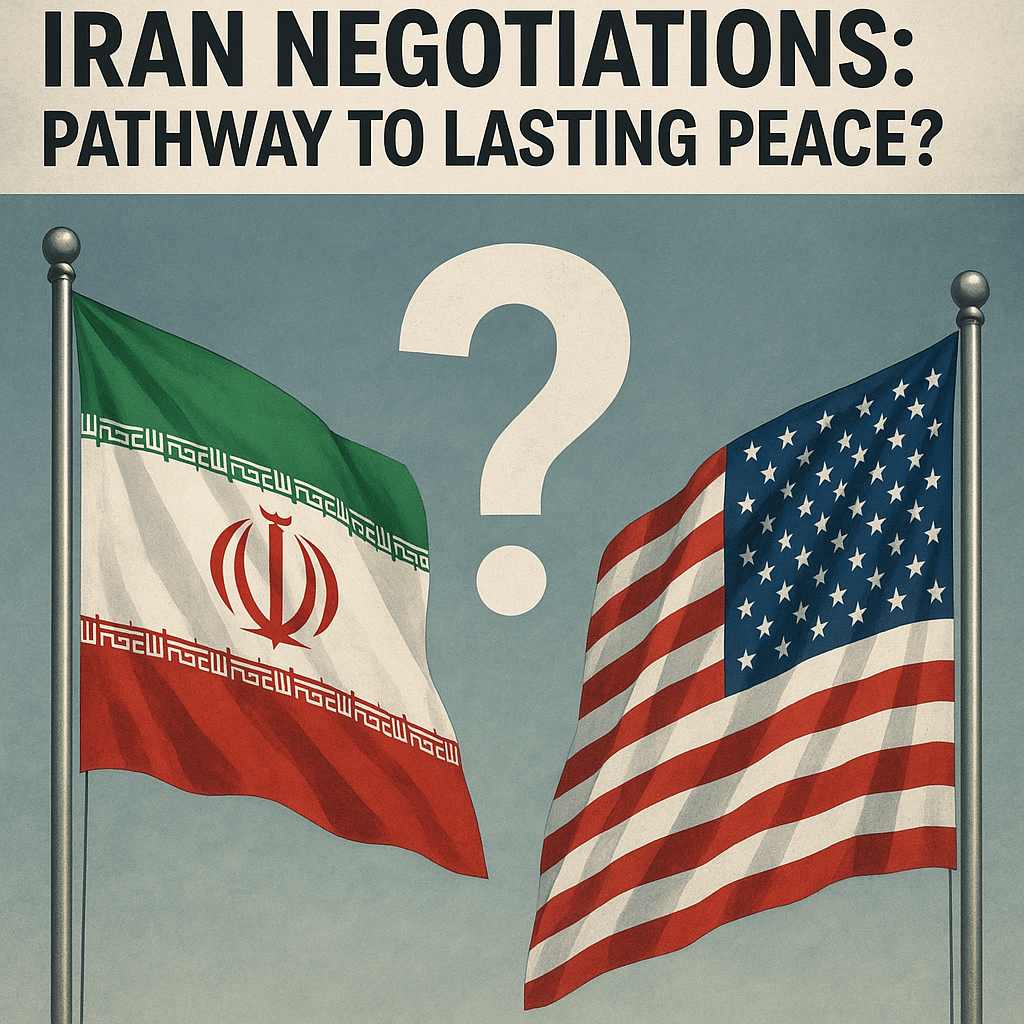
Iran Negotiations: Pathway to Lasting Peace?
Iran Negotiations: Pathway to Lasting Peace?
When exploring the topic of Iran negotiations, it’s clear that the quest for lasting peace in the region is fraught with complexity and varying perspectives. The ongoing discussions surrounding Iran’s nuclear ambitions, regional influence, and international relations contribute to a multifaceted and convoluted narrative. As diplomatic efforts continue to evolve, the question looms large: can these negotiations ultimately lead to a sustainable peace?

The Landscape of Negotiations
Historical Context and Current Dynamics
Iran’s nuclear program has been a longstanding point of contention, notably highlighted by the Joint Comprehensive Plan of Action (JCPOA), agreed to in 2015. Under this agreement, Iran committed to curbing its nuclear activities in exchange for relief from economic sanctions. However, the U.S. withdrawal from the JCPOA in 2018 under the Trump administration marked a pivotal moment, leading to escalating tensions and Iran’s subsequent advancement in its nuclear capabilities.

Presently, the negotiations have seen varying degrees of optimism and skepticism. Al Jazeera emphasizes that while talks reinitiated recently, a significant challenge remains: the distrust between Iran and the United States. Iranian officials express concerns that negotiations could stall or be undermined by shifting political winds in Washington. This sentiment is echoed by various sources, which indicate that many in Iran view negotiations as a double-edged sword, offering potential benefits but also posing risks of further sanctions and isolation if the talks fail.

Diverse Global Perspectives
Internationally, stakeholders have differing views on how to proceed with negotiations involving Iran. Countries like Russia and China advocate for a more collaborative approach, emphasizing dialogue. In contrast, some Western nations, particularly Israel, have voiced alarm over Iran’s continued nuclear advancements and regional influence.
Recent reports from Sky News indicate that Israel’s stance remains largely aggressive, expressing a strong need for preventive measures against what they see as imminent threats posed by Iran’s nuclear potential. This underscores a critical divide among the nations involved in the dialogues. While some players push for peace and reconciliation, others are more inclined toward a military or preemptive option.
Evolving Perspectives on Peace
Optimism vs. Skepticism
Within the discussions, there are both hopeful and pessimistic viewpoints regarding the potential for lasting peace. Proponents of negotiations argue that establishing a framework for ongoing dialogue can mitigate tensions. They point out that diplomatic solutions have historically led to transformative changes, suggesting that continued engagement could pave the way for dismantling animosities.
On the other hand, critics and skeptics highlight the historical failures of negotiations with Iran. According to reports from RT, some analysts contend that Iran’s history of non-compliance with international agreements reinforces the belief that negotiations may ultimately be futile. They warn that any concessions made could enable Iran to further its regional ambitions, creating an unstable security environment.
The Role of External Influences
Another layer of complexity arises from the influence of external actors in the negotiations. Certain Gulf states, including Saudi Arabia and the United Arab Emirates, are also concerned about Iran’s growing power. Their apprehensions influence the broader negotiations and could complicate any potential agreement, as their interests must also be considered.
Moreover, the geopolitical landscape is shifting, with rising powers and alliances that could further impact the negotiations. As such, the multi-faceted nature of these discussions necessitates nuanced analysis and a comprehensive understanding of varied interests at play.
Conclusion: The Path Ahead
As negotiations surrounding Iran’s nuclear program and regional influence continue, the prospect of achieving lasting peace remains uncertain. The intricacies of trust, historical grievances, and geopolitical calculations present formidable challenges. Both sides seem to recognize that cooperation, though fraught with risk, might ultimately present a more sustainable solution than military confrontation.
Going forward, it appears crucial for the global community to foster an environment conducive to dialogue while ensuring that any agreements are robust and verifiable. Whether these efforts will culminate in a meaningful pathway to lasting peace is still uncertain, but the importance of sustained engagement and understanding cannot be overstated. Conclusively, the evolving narrative of Iran negotiations serves as a reminder that the road to peace is often complex, requiring patience and steadfast diplomacy.
In a world where turmoil persists, the hope for negotiated solutions remains essential in navigating the intricate landscape of international relations. The pathway to peace is paved with dialogue, cooperation, and the willingness to engage in difficult conversations—perhaps the most arduous yet noble of undertakings.















