In a heartbreaking escalation of tensions, two U.S. service members lost their lives in a strike believed to be carried out by Iranian forces, sparking urgent conversations about our military presence in the Middle East and the challenges of navigating these complex relationships. As the repercussions unfold, both the U.S. and Iranian perspectives add layers to this already intricate situation.
Trumps bold claim of being Irans top target not only raises eyebrows but also reignites vital conversations about U.S.-Iran relations and national security—are we ready for the implications that might follow? Join the debate as we unpack what this could mean for America and the geopolitical chessboard!
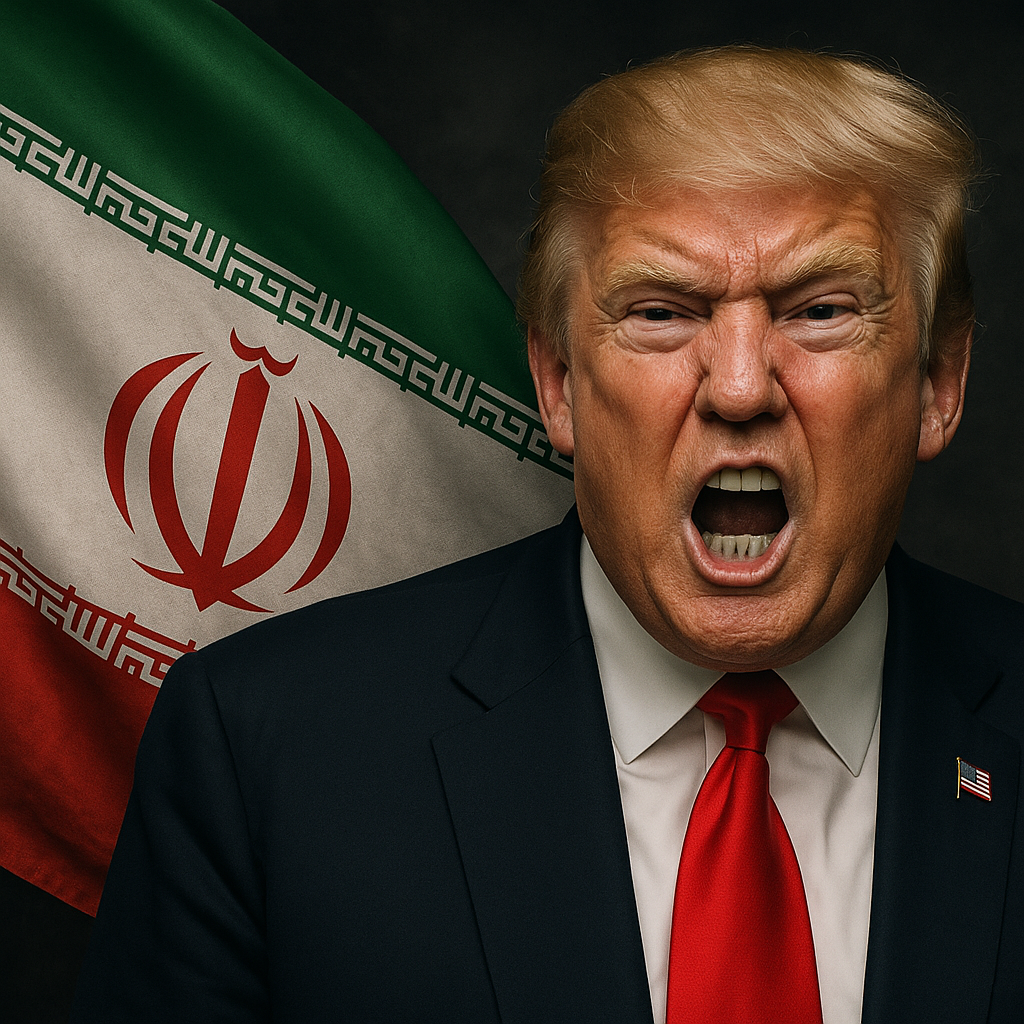
As tensions between Iran and the U.S. escalate, Iran decries Donald Trumps vulgar rhetoric, emphasizing the need for respectful dialogue amidst a backdrop of historical conflict. How will this latest clash shape the future of their fraught relationship?
At the funeral of Iranian General Qassem Soleimani, mourners unleashed a shocking political statement with a banner reading Kill Trump, capturing the deep-seated emotions and hostilities that continue to shape U.S.-Iran relations. This poignant moment not only highlights the lingering anger over Soleimani’s assassination but also reveals the complex feelings that define life in Iran today.
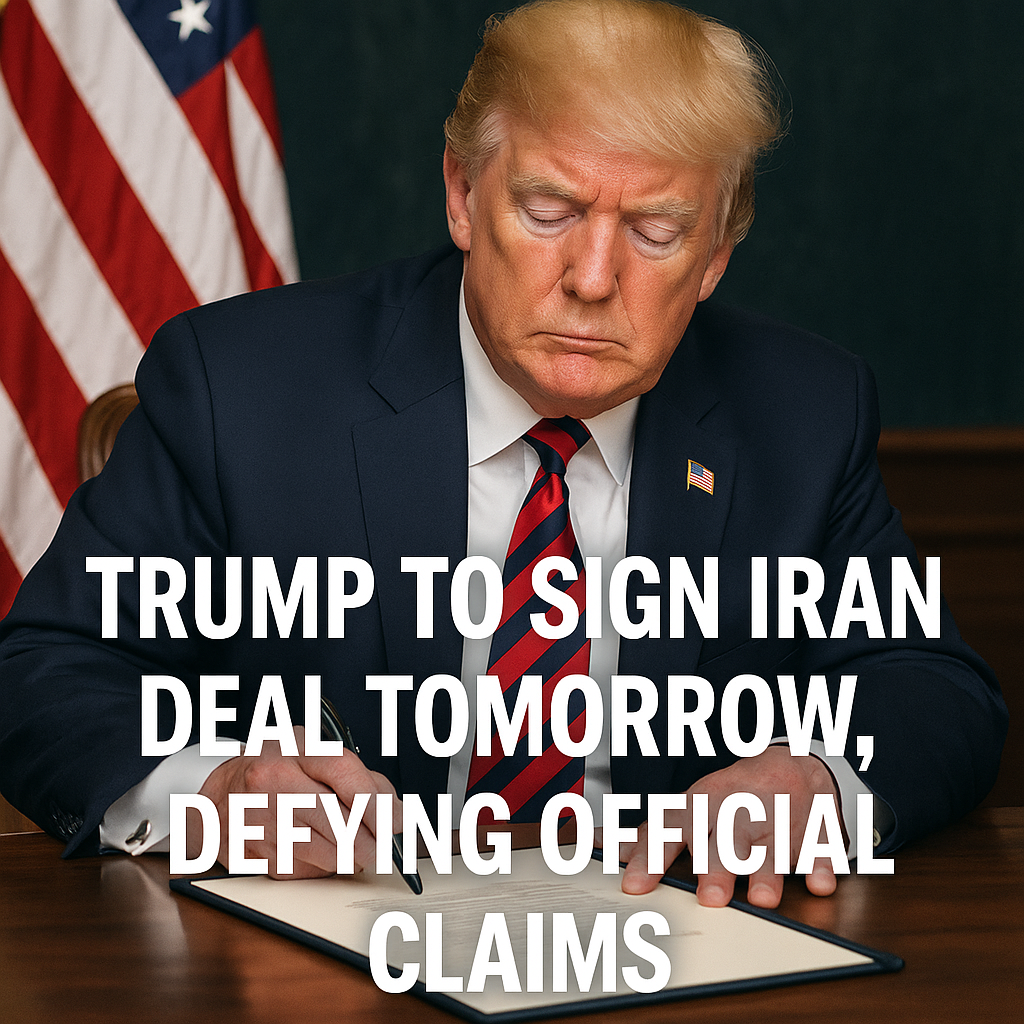
In a stunning twist, former President Trump is set to sign a new Iran deal tomorrow, challenging official claims and sparking renewed debates about the future of U.S.-Iran relations. Will this bold move lead to a breakthrough or merely deepen the divide?
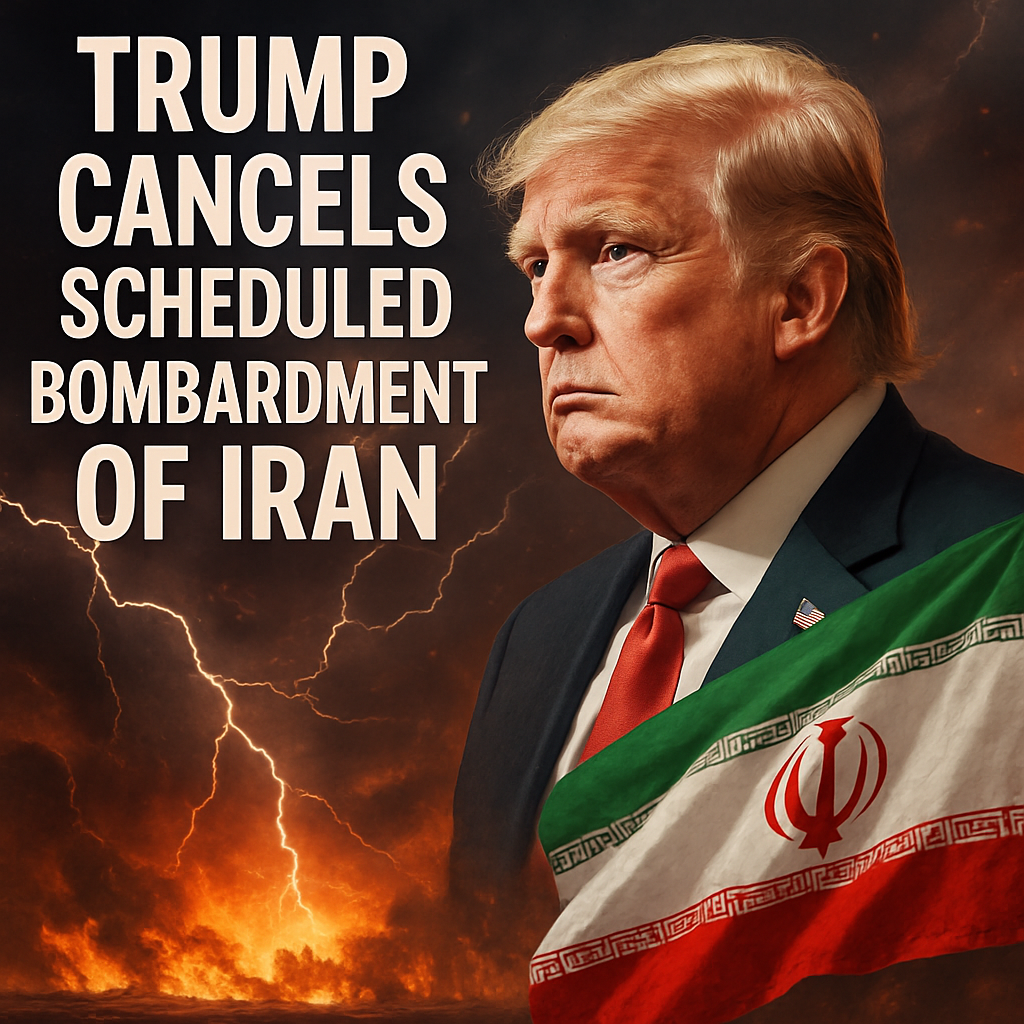
In a stunning twist, former President Trump has unexpectedly called off a planned strike against Iran, sparking fresh debates on the delicate balance of U.S.-Iran relations and the ramifications of military action in an already volatile region. What does this mean for future diplomacy and stability?
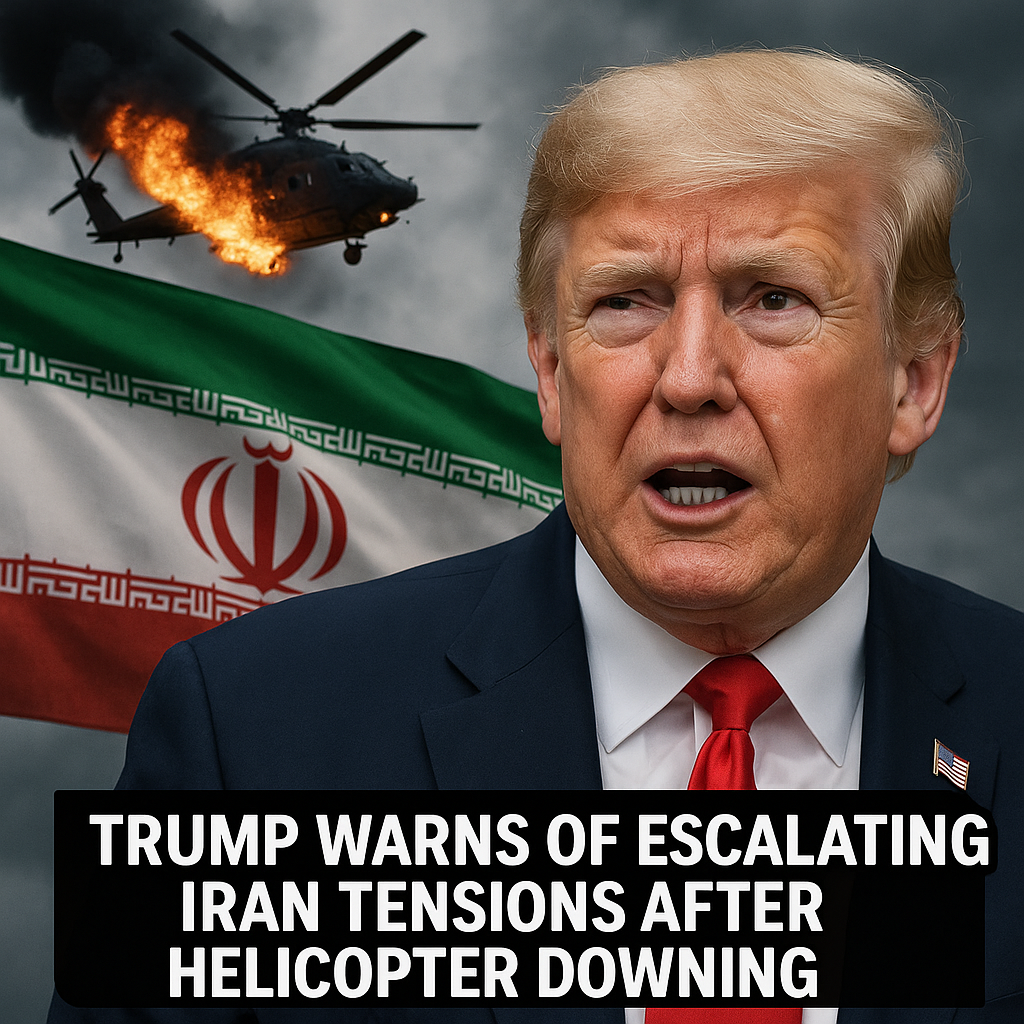
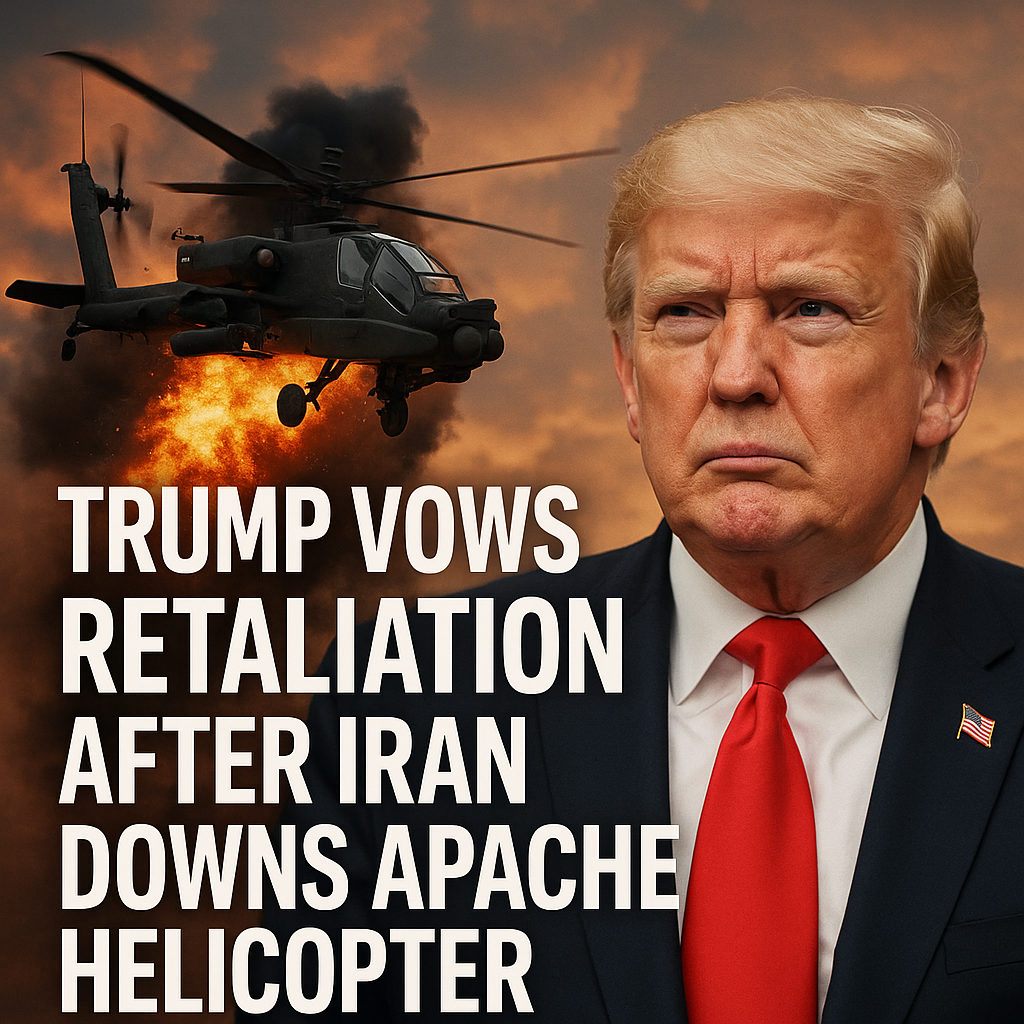
Former President Trump has sounded the alarm on rising tensions with Iran following the recent downing of a U.S. Apache helicopter, urging a robust military response to deter further threats in the region. As the situation unfolds, this incident reignites a critical debate on U.S.-Iran relations and the potential for escalating conflict.
Trumps bold promise of retaliation after Irans downing of an Apache helicopter adds a thrilling twist to the already complex U.S.-Iran saga—where every move carries weight in the game of international diplomacy. How will this escalating tension shape the future of global relations?
In a bold move that could reshape U.S.-Iran relations, former President Donald Trump insists that he wont unfreeze Iranian assets without a ceasefire. This stance underscores the complex web of diplomacy as both sides weigh the stakes in the volatile Middle East.
In a pivotal turn of events, the House has voted to rein in Trumps war powers concerning Iran, igniting a heated debate about executive authority and military engagement that highlights the rifts within Congress and the nation. As tensions rise, this bold move aims to ensure that no president can unilaterally send troops into conflict without congressional approval—raising critical questions about the balance of power in the face of escalating global threats.