
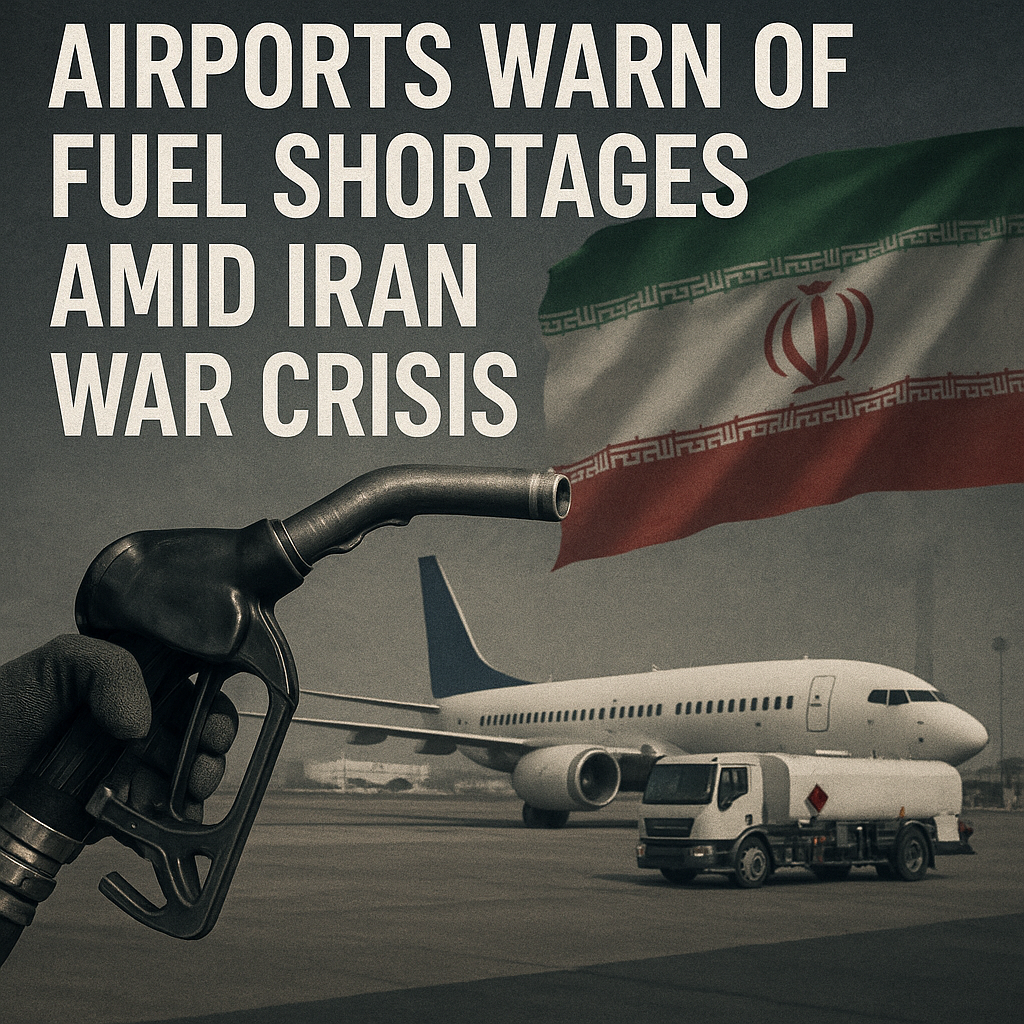
Airports Warn of Fuel Shortages Amid Iran War Crisis

Airports Warn of Fuel Shortages Amid Iran War Crisis
As geopolitical tensions escalate, particularly surrounding the ongoing crisis between the United States and Iran, airports across the globe are beginning to sound alarms about potential fuel shortages. These warnings reflect the multifaceted impacts that international conflicts can have on everyday activities, such as air travel.

Understanding the Fuel Crisis
The situation began to unfold with heightened concerns over the Strait of Hormuz, a crucial artery for the world’s oil supply. According to a report from Sky News, the Airports Council International (ACI) has issued a cautionary statement on the imminent fuel shortages that could disrupt air travel significantly if the strait remains closed. With approximately one-fifth of the world’s oil supply passing through this narrow waterway, any form of disruption could create substantial ripple effects across the globe.


Various stakeholders are emphasizing the urgent need for diplomatic resolutions to ensure the Strait’s accessibility. The ACI highlighted that fuel shortages could not only affect flight schedules but also lead to increased operational costs for airlines, which ultimately could trickle down to travelers through higher ticket prices.


This assertion echoes sentiments from several experts who stress the importance of the Strait of Hormuz as a lifeline for energy resources. A closure would mean dire consequences not only for air travel but also for broader economic stability.
Consequences Beyond Borders
The geographic implications extend beyond immediate fuel shortages. A broader economic impact could arise if air travel costs increase, which in turn affects tourism and trade. According to Al Jazeera, airlines’ operational costs are already strained, and any additional economic burden could jeopardize a fragile recovery from the pandemic.
Furthermore, the airline industry is still vulnerable from previous disruptions caused by Covid-19; thus, any new obstacle could severely hinder growth. Economic analyses suggest that even a minor fluctuation in oil prices due to increased military tensions could result in a chain reaction affecting commodity prices and consumer spending.
On the other hand, there are differing perspectives regarding the nuances of this situation. RT News reported that while some analysts believe that the existing geopolitical strain would lead to a direct impact on oil prices, others argue that markets are more resilient than they may appear, suggesting that potential increases in fuel prices could be absorbed by airlines without translating into immediate costs for consumers.
Navigating Uncertainties
While the possibility of fuel shortages remains concerning, it is also essential to consider the complex dynamics at play. The resilience of the oil markets and the airlines’ ability to adapt to changing conditions are both critical factors in determining the final outcome. As political dialogues evolve, experts caution against early conclusions without acknowledging the volatility of international relations.
The consensus among various reports suggests that close monitoring of regional developments is crucial. Stakeholders in the airline industry state that proactive measures need to be taken to mitigate risks associated with a potential fuel crisis, such as diversifying fuel sources or maintaining larger reserves. Yet, the strategic decisions made today could very well shape the trajectory of air travel for the foreseeable future.
Conclusion: Seeking Solutions Amidst Crisis
In conclusion, the warnings of fuel shortages amid the ongoing crisis surrounding Iran and potential U.S. intervention highlight the intricate relationship between geopolitics and everyday life, specifically in air travel. While the future remains uncertain, a unified approach that includes diplomatic engagement is crucial for stabilizing fuel supplies and safeguarding the airline industry’s trajectory.
The collaborative efforts between governments, airlines, and international bodies will be essential in addressing this multifaceted issue. The strains on the aviation and oil industries serve as a stark reminder of how interconnected our global landscape is and the critical need for both diplomatic solutions and market adaptability as we navigate these complex challenges.















