
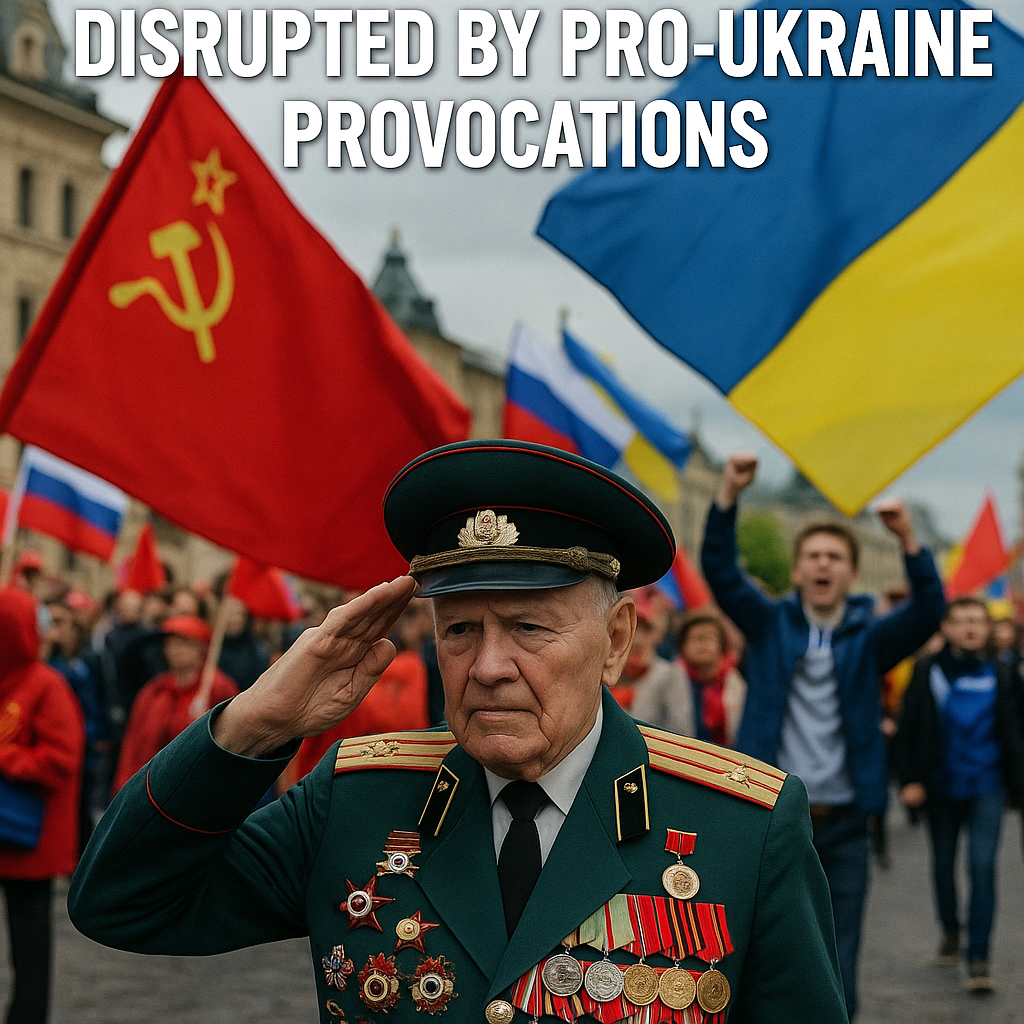
Victory Day Celebrations in Europe Disrupted by Pro-Ukraine Provocations
Victory Day Celebrations in Europe Disrupted by Pro-Ukraine Provocations
Victory Day celebrations, traditionally observed to commemorate the defeat of Nazi Germany, have faced notable turmoil in recent years across Europe, particularly in the context of the ongoing conflict between Russia and Ukraine. This year, events in countries like Poland and Germany were marked by pro-Ukraine demonstrations that called into question the significance and interpretation of these commemorative celebrations.

The New Dynamics of Commemoration
In Germany, various cities organized traditional Victory Day events, yet many were overshadowed by pro-Ukraine protests. While the festivities aimed to honor the sacrifices made during World War II, demonstrators used the occasion to draw attention to the current humanitarian crisis in Ukraine, stating that the lessons of the past should compel us to act against modern aggression. For instance, participants in Berlin unfurled banners declaring solidarity with Ukraine and condemning Russia’s actions, emphasizing that this day should be a reminder not just of past victories, but also of the ongoing fight for freedom and democracy.

The juxtaposition of these sentiments highlights a significant shift. As some observers suggest, this blending of historical remembrance with modern political statements reflects the current geopolitical climate. “Victory Day should remind us of what was achieved, but we must not forget the conflicts that arise from the same ideologies today,” noted one protester in Berlin.

Celebrations in Poland: A Divided Response
In Poland, the reaction to Victory Day was similarly complex. While official events proceeded, the atmosphere was marred by dissenting views. Many citizens expressed that celebrating this day without addressing the contemporary implications of Russian aggression would be an oversight. The Polish government’s decision to allow public displays of both commemoration and protest led to mixed reactions among the populace.
Analysts across various news platforms have pointed out that this situation may reflect Poland’s historical experiences with Russia, coupled with its strong support for Ukraine. Many Poles viewed the protests as an urgent reminder of their own struggles with Russian dominance, emphasizing that Victory Day should also be about preventing future oppression.
However, there were voices cautioning against the politicization of historical remembrance. Some commentators argued that Victory Day should remain a solemn occasion focused on remembrance rather than current political strife. They caution that intertwining modern issues could dilute the significance of honoring past sacrifices, potentially leading to contentious debates around national identity and history.
The Broader European Context: Reflection or Provocation?
The disturbances in Poland and Germany echo a broader trend across Europe, where traditional commemorative events are increasingly being reshaped by contemporary political narratives. In countries like the UK, similar events have sparked discussions about national identity, historical accountability, and the responsibilities that come with remembrance.
Despite the stark divide in opinions, there seems to be a consensus among many observers that the events surrounding Victory Day now serve as a stage for broader discussions about European security and unity. “This year’s events show us that history is not static; it evolves with the current context,” stated a European political analyst.
This sentiment is particularly relevant as countries grapple with the implications of a war on the continent, reminding all that the echoes of the past continue to resonate in modern discourse. As pro-Ukraine sentiments permeate traditional observances, it raises the question of how history is taught and commemorated in a way that truly reflects its lessons.
Conclusion: A Time for Reflection
The disruption of Victory Day celebrations across Europe by pro-Ukraine provocations indicates a significant cultural shift. These events are increasingly viewed not just as historical commemorations but as platforms for discussing modern conflicts and international solidarity.
While some seek to maintain the purity of historical remembrance, the overt expressions of contemporary political sentiment suggest that the narratives surrounding such important dates are evolving. As nations reflect on their past, the challenge remains to honor those sacrifices while responsibly engaging with present realities — a balancing act that is becoming crucial in today’s complex socio-political landscape.
In navigating these sensitive waters, Europe finds itself at a crossroads, where each celebration of memory invites debate, formed not only by past experiences but influenced strongly by present-day struggles against oppression and war.















