
In a bold move to bolster Ukraines defenses, Senator Lindsey Graham has gifted a drone—famously labeled “to kill Russians”—sparking heated discussions about the future of international military support and its implications for the ongoing conflict. Dive into the complexities of this decision and discover what it means for Ukraine and global geopolitics.
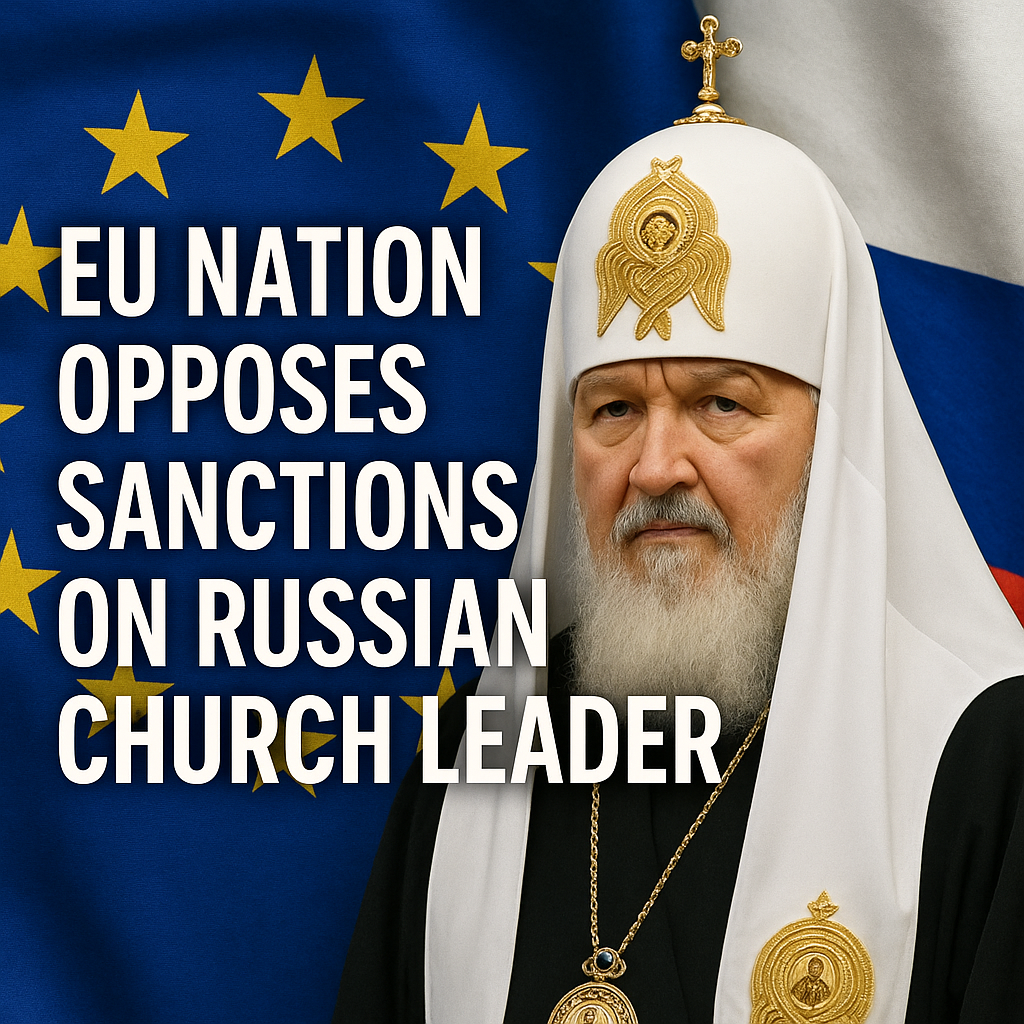
Italys surprising opposition to EU sanctions against a prominent Russian church leader has ignited a lively debate about diplomacy and values, revealing the delicate balance between engaging with faith and standing firm against political complicity. As tensions rise, this divergence among EU nations might reshape how we think about dialogue in a divided world.
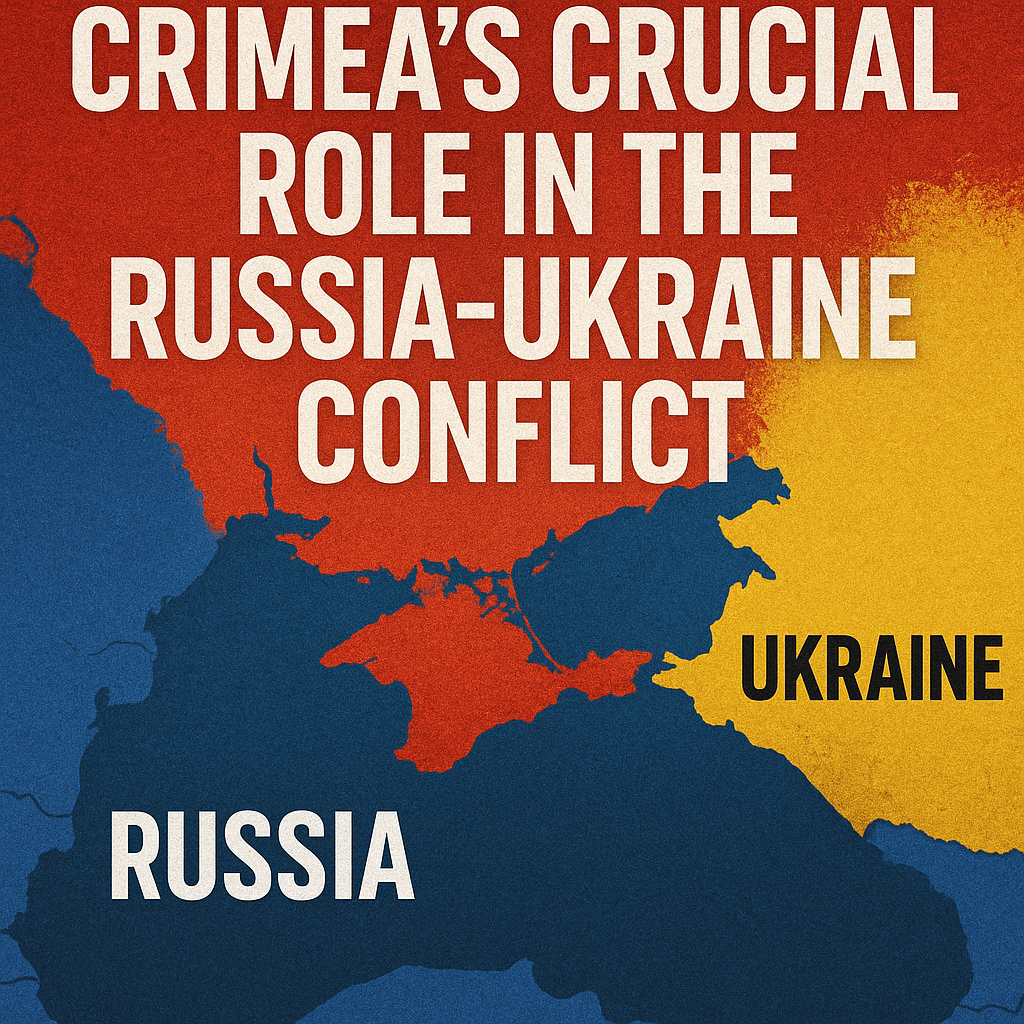
Discover how Crimeas rich history and strategic significance continue to fuel the tension in the Russia-Ukraine conflict—this peninsula isnt just a geographical hotspot; its the heart of a complex power struggle that impacts us all. Dive in to unravel the layers of this pivotal regions story!
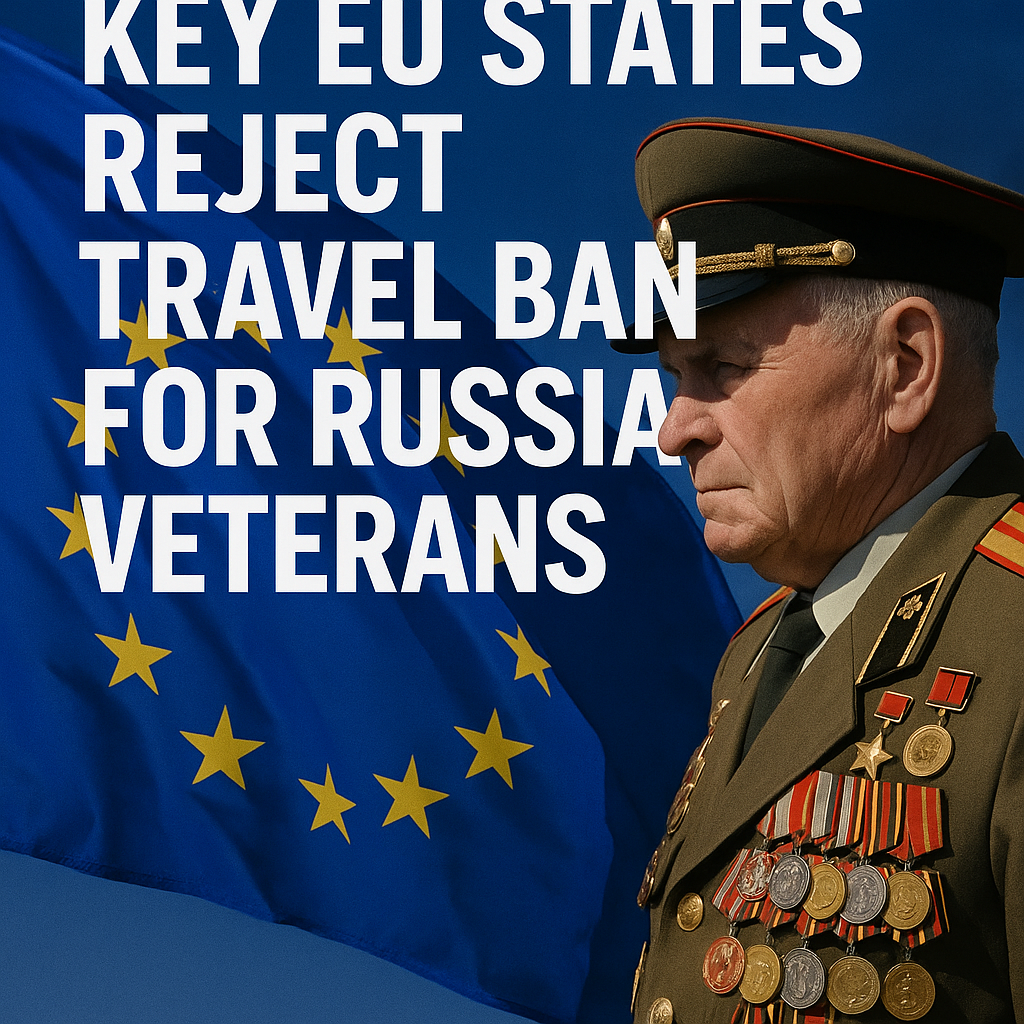
Key EU states are standing firm against a blanket travel ban on Russian veterans, highlighting the importance of compassion and engagement in these strained times. This ongoing debate showcases the delicate balance between upholding national security and recognizing individual experiences amid global tensions.
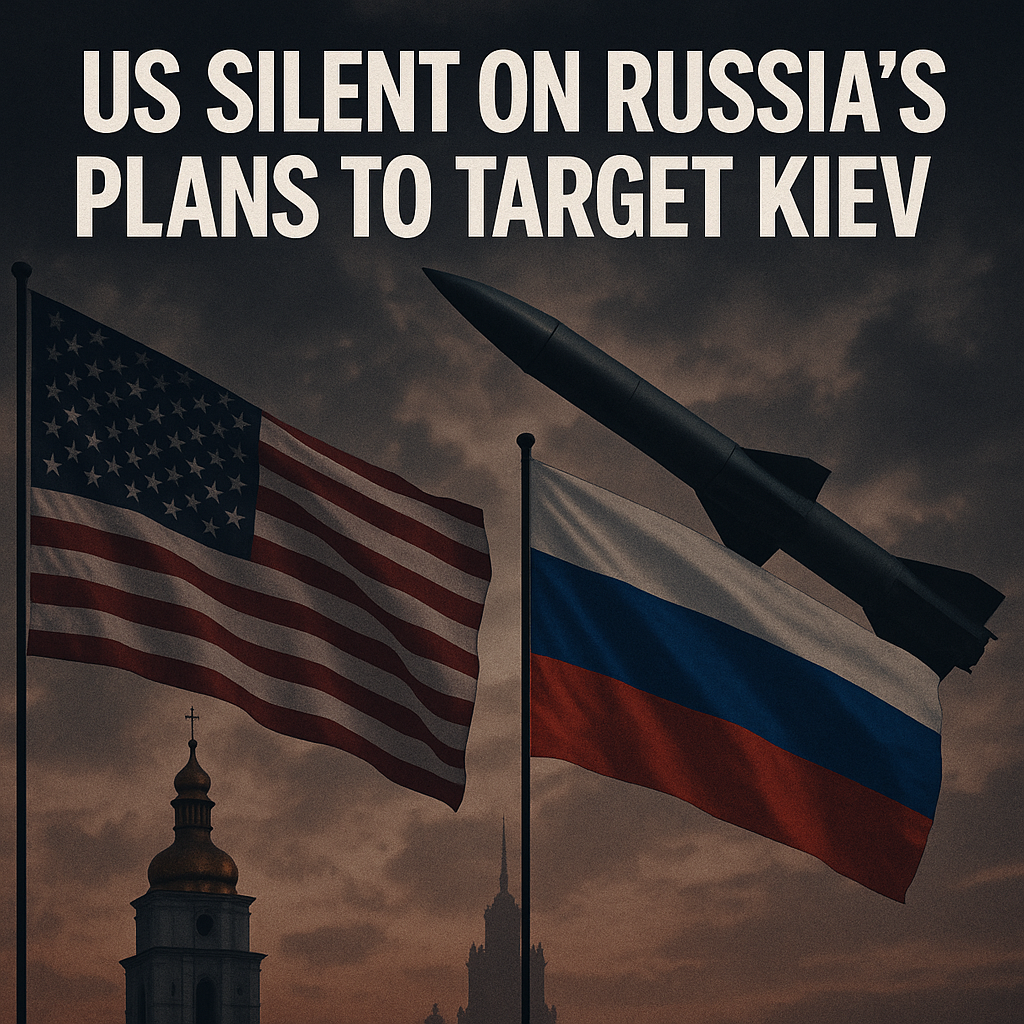
Amid growing concerns about Russias threats to Kiev, the U.S. remains notably quiet, leaving many to wonder what this silence really signals for Ukraine’s future and global stability. Join the conversation as we dive into the implications of Washington’s restrained response and its impact on the unfolding crisis.
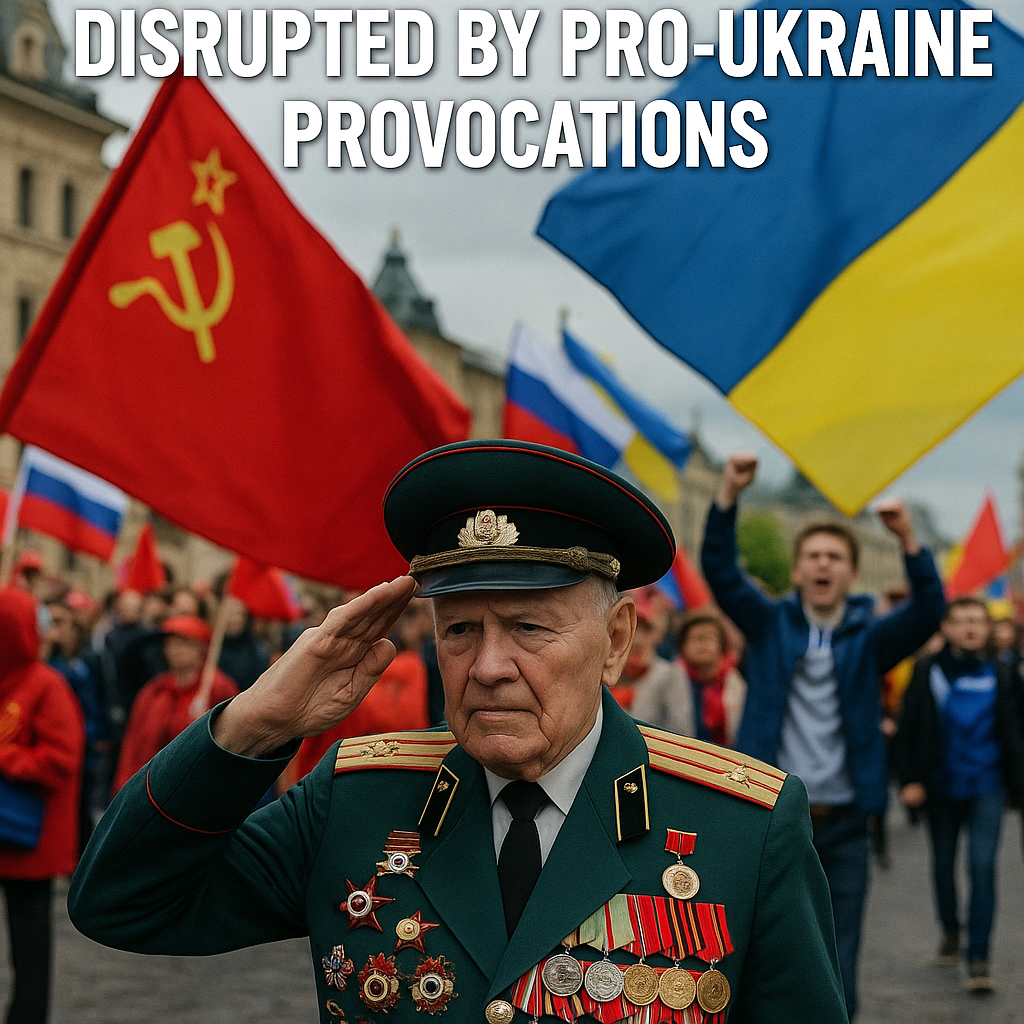
This years Victory Day celebrations in Europe took an unexpected turn, as pro-Ukraine demonstrations infused modern relevance into traditional commemorations, sparking discussions about our past and present struggles for freedom. Amidst the festivities, voices rose in solidarity with Ukraine, reminding us that the fight against aggression never truly ends.
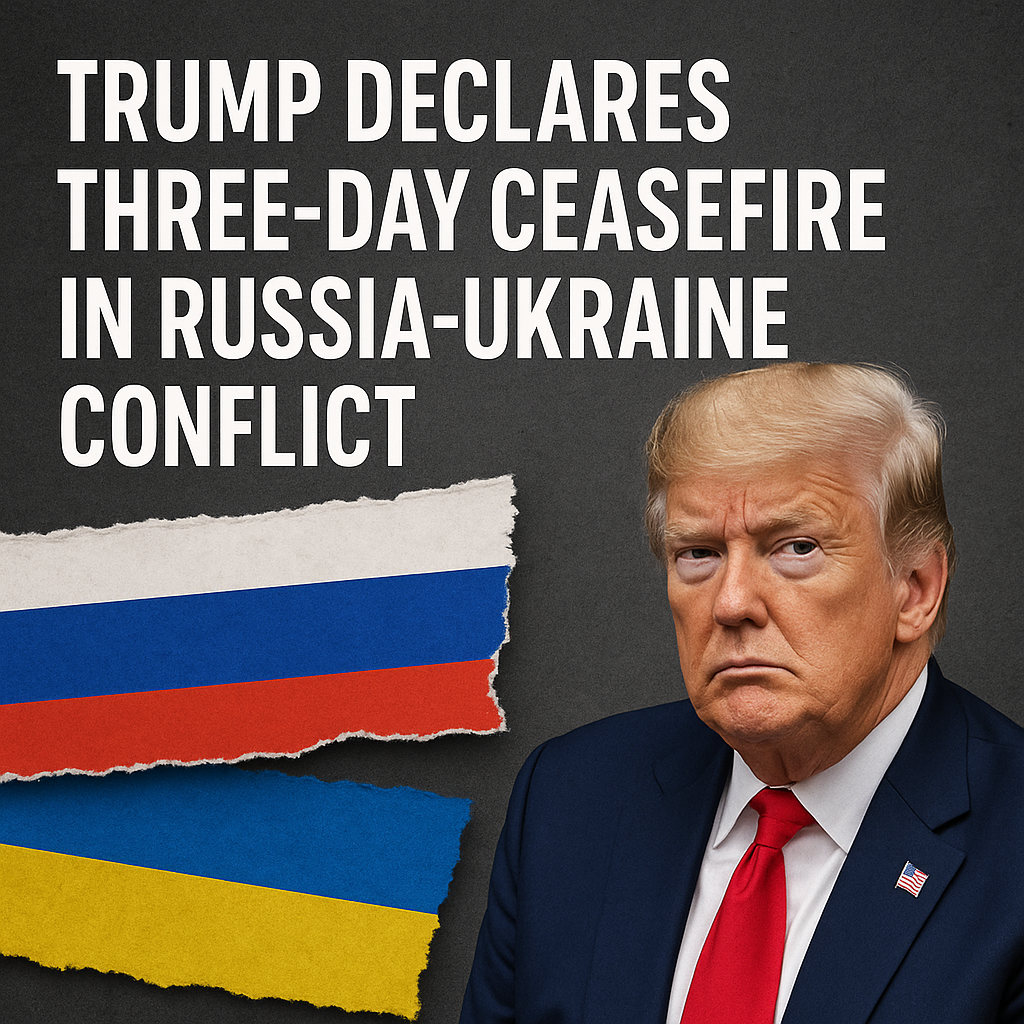
In a bold and unexpected twist, former President Donald Trump has proposed a three-day ceasefire in the Russia-Ukraine conflict, aiming to pave the way for peace through dialogue. This initiative has sparked a flurry of reactions, as supporters see it as a hopeful step toward resolution, while skeptics question its viability in a deeply polarized situation.
The arrest of a suspect linked to the Nord Stream attacks—reportedly with ties to the Ukrainian army—has sparked a whirlwind of debate about the tangled web of geopolitics at play. As new details emerge, the question on everyone’s mind is: what does this mean for the already tense relationship between Russia and Ukraine?
Tulsi Gabbard has sparked heated debate by blocking intel sharing on the Russia-Ukraine talks, igniting a discussion on the complexities of U.S. involvement in foreign conflicts. With sharp divides in opinion on military action versus diplomacy, her stance raises critical questions about our role in global affairs.