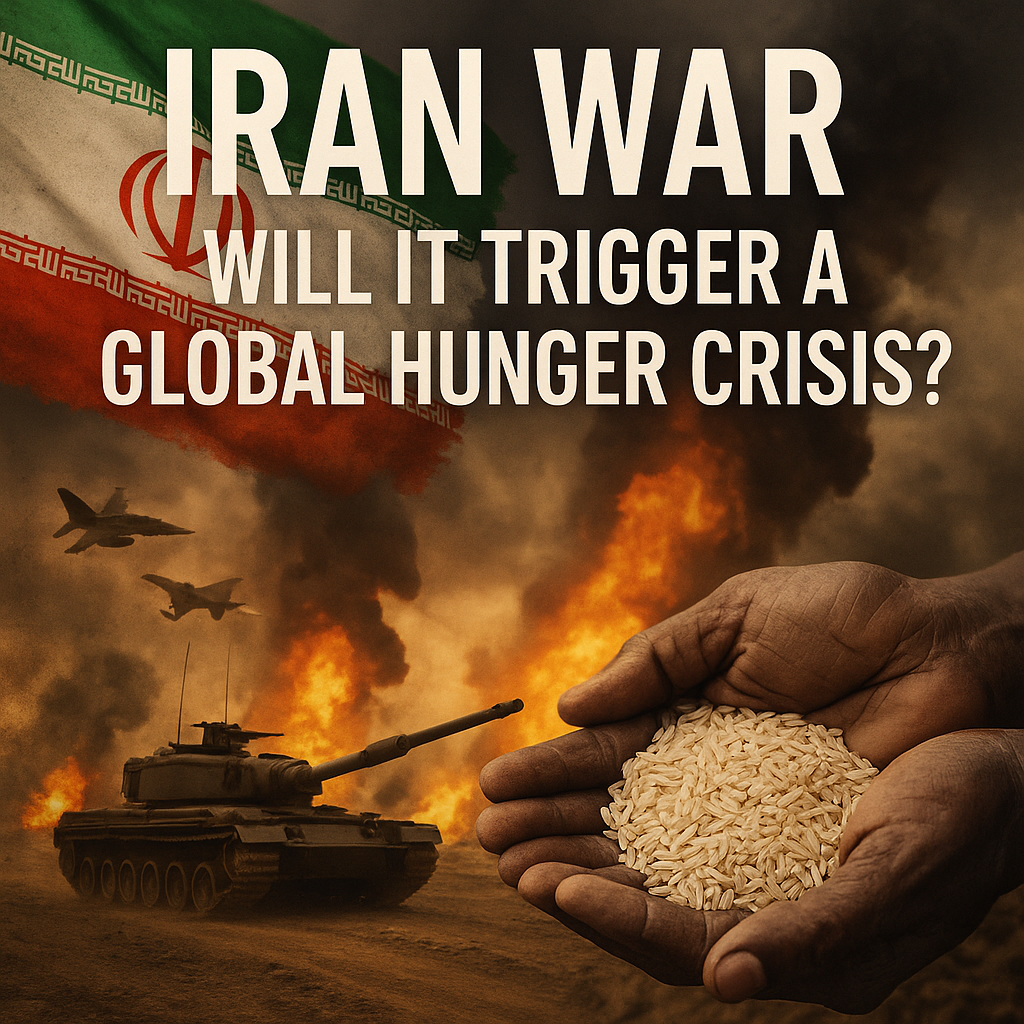
Iran War: Will It Trigger a Global Hunger Crisis?
Iran War: Will It Trigger a Global Hunger Crisis?
The potential for conflict involving Iran raises serious concerns about a looming global hunger crisis. As tensions in the region escalate, an examination of how a war could impact food security worldwide comes into sharp focus.

Understanding the Connection Between Conflict and Hunger
Historically, armed conflicts have disrupted agricultural production and supply chains. In the case of Iran, the possibility of war is particularly troubling given the nation’s significance in the global oil and agricultural markets. The Iranian agricultural sector is a critical player, producing a range of commodities including wheat, rice, and fruits. If conflict disrupts these supply chains, the ripple effects could be felt worldwide, given how intertwined global food systems are.

A report by Al Jazeera highlights that wars often lead to displacement of populations and the destruction of vital infrastructure necessary for food production and distribution. With over 80 million people in Iran, a significant conflict could precipitate a humanitarian crisis marked by widespread food shortages.

The Global Food Supply Chain at Risk
The agricultural impact of a potential war in Iran would not be limited to its borders. The global food supply system is delicate and interconnected. Iran is a major importer of food products, and conflict could lead to heightened barriers to importation or severe disruptions in shipping routes, particularly through the Strait of Hormuz, a critical artery for oil and gas shipments. Any disruption here could exacerbate oil prices globally, which in turn would affect food prices.
According to RT News, rising energy prices often lead to increased costs for transporting goods, including food. Rising transport costs generally have a cascading effect on food prices, disproportionately impacting low-income countries and vulnerable populations already on the brink of food insecurity. The UN has previously warned that around 800 million people are already experiencing hunger globally, a number that could significantly rise amid the turmoil.
Perspectives from Experts and Analysts
Diverse viewpoints emerge when assessing the potential for a global hunger crisis stemming from a conflict with Iran:
1. Cautious Optimism: Some analysts assert that while the scenario is troubling, global markets have shown resilience in the face of regional conflicts in the past. They argue that alternative supply routes and substitutes could mitigate the immediate impact on food supplies. Agricultural policy adaptations could also help nations manage shortages.
2. Dire Predictions: Conversely, others warn that the sheer scale of potential conflict involving Iran cannot be understated. Given the strategic importance of the region, the political ripple effects could lead to escalating conflicts in adjacent areas, further complicating delivery systems and exacerbating humanitarian crises.
As reported by Sky News, multiple analysts have called on international stakeholders to engage diplomatically and prevent conflict escalation, highlighting a collective responsibility to safeguard food security. Current geopolitical dynamics can, if not managed properly, lead to cascading failures across agriculture and trading systems.
The Uncertain Future
While predictions remain nuanced, there is a consensus on the need for proactive measures to avert potential crises. Governments and organizations must enhance their readiness for food supply disruptions. Strategic stockpiling of essential food items and improving local agricultural practices can help mitigate the impending risks.
International community members are also urged to consider the humanitarian impact of sanctions and warfare that often exacerbate existing vulnerabilities. Strengthening global partnerships, facilitating dialogue, and investing in agricultural innovations can provide a more robust safety net to cushion against impending challenges.
Conclusion: Mitigating the Risks Ahead
As tensions surrounding Iran accumulate, the risk of a global hunger crisis looms larger. While not an inevitable outcome, the interconnected nature of food supply chains indicates a pressing need for awareness and preventive action to minimize potential fallout. Stakeholders must prioritize diplomacy and innovation in food security strategies to ensure that a war affecting Iran does not escalate into a global humanitarian catastrophe. In this complex landscape, maintaining food security is not just a matter of local governance but a shared global responsibility.