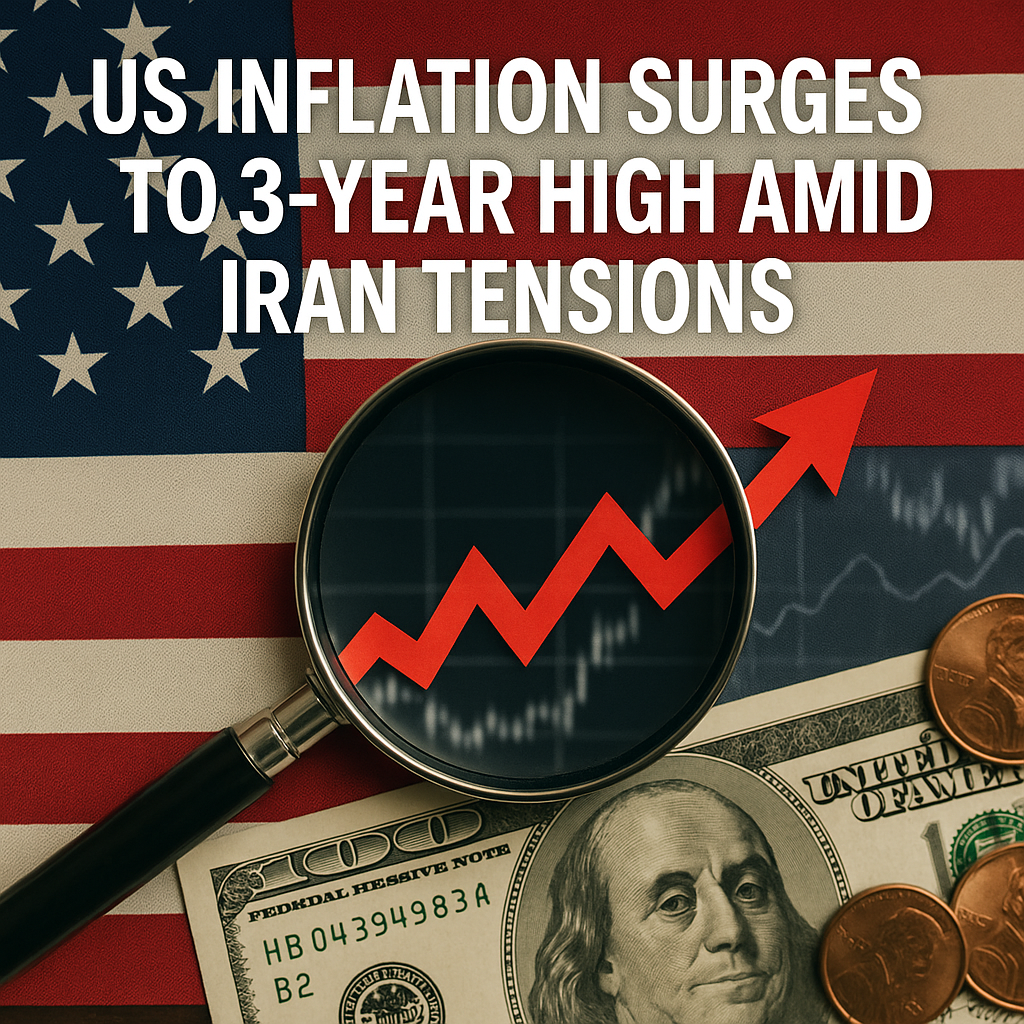
US inflation has reached a three-year peak, driven by rising tensions in the Middle East, especially with Iran, leading to concerns about economic stability and skyrocketing fuel prices. As consumers brace for higher costs, the ripple effects on spending and growth are rapidly unfolding.
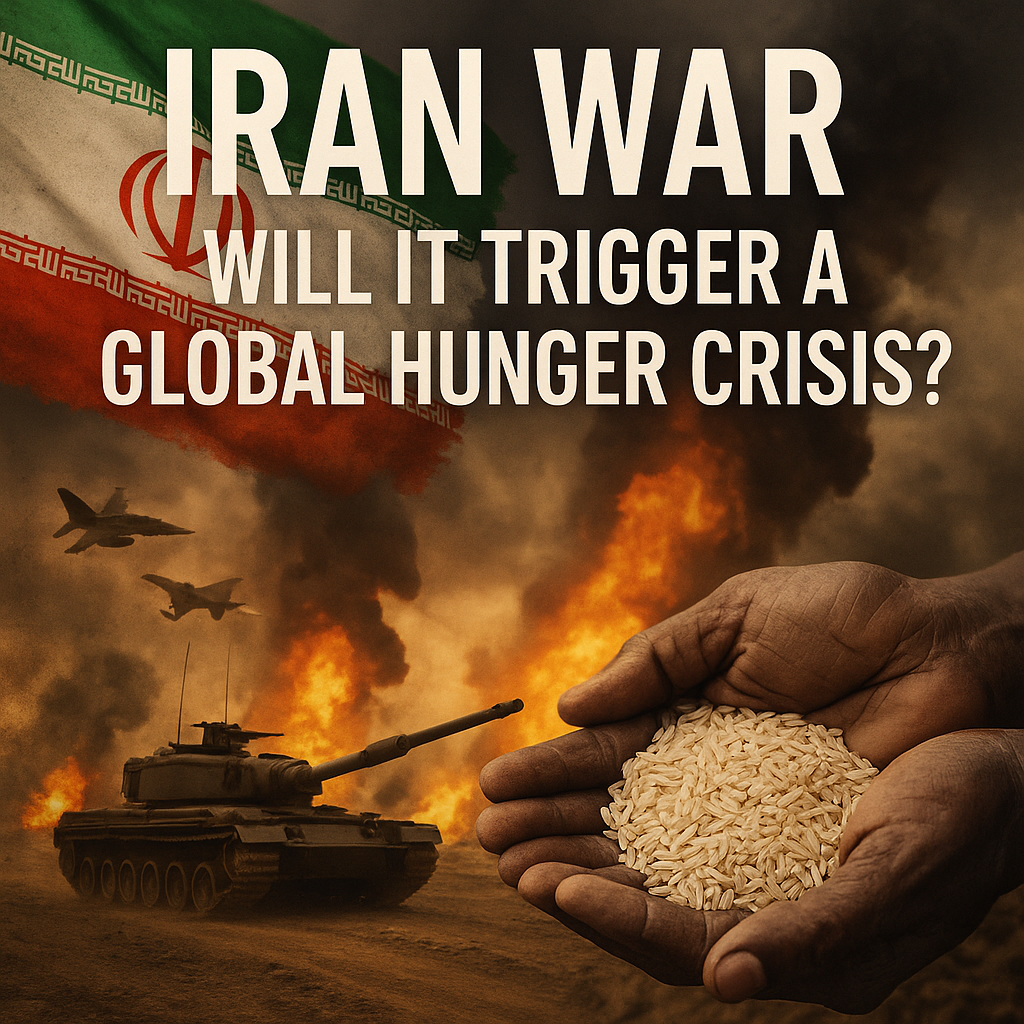
As tensions rise in Iran, the looming threat of war could lead to a global hunger crisis, impacting food security far beyond its borders. With essential agricultural markets at stake, the potential ripple effects on food prices and supplies could spell trouble for millions around the world.
ASEAN leaders are coming together to tackle the economic fallout from the Iran conflict, as rising oil prices and supply chain uncertainties threaten to disrupt their recovery efforts. With varied strategies in play, its a crucial moment for Southeast Asian nations to unite in fortifying their energy security and exploring innovative solutions.
Dive into the world of oil markets where rising tensions in Iran could send prices soaring! Explore expert insights on how geopolitical shifts might impact your wallet and the global economy in this must-see video.
In a surprising turn, the Trump administration has extended the Jones Act waiver for 90 days, aiming to ease the burden of skyrocketing oil prices on American families. This temporary relief could open the doors to foreign vessels, potentially lowering prices at the pump and helping consumers navigate these challenging economic times.
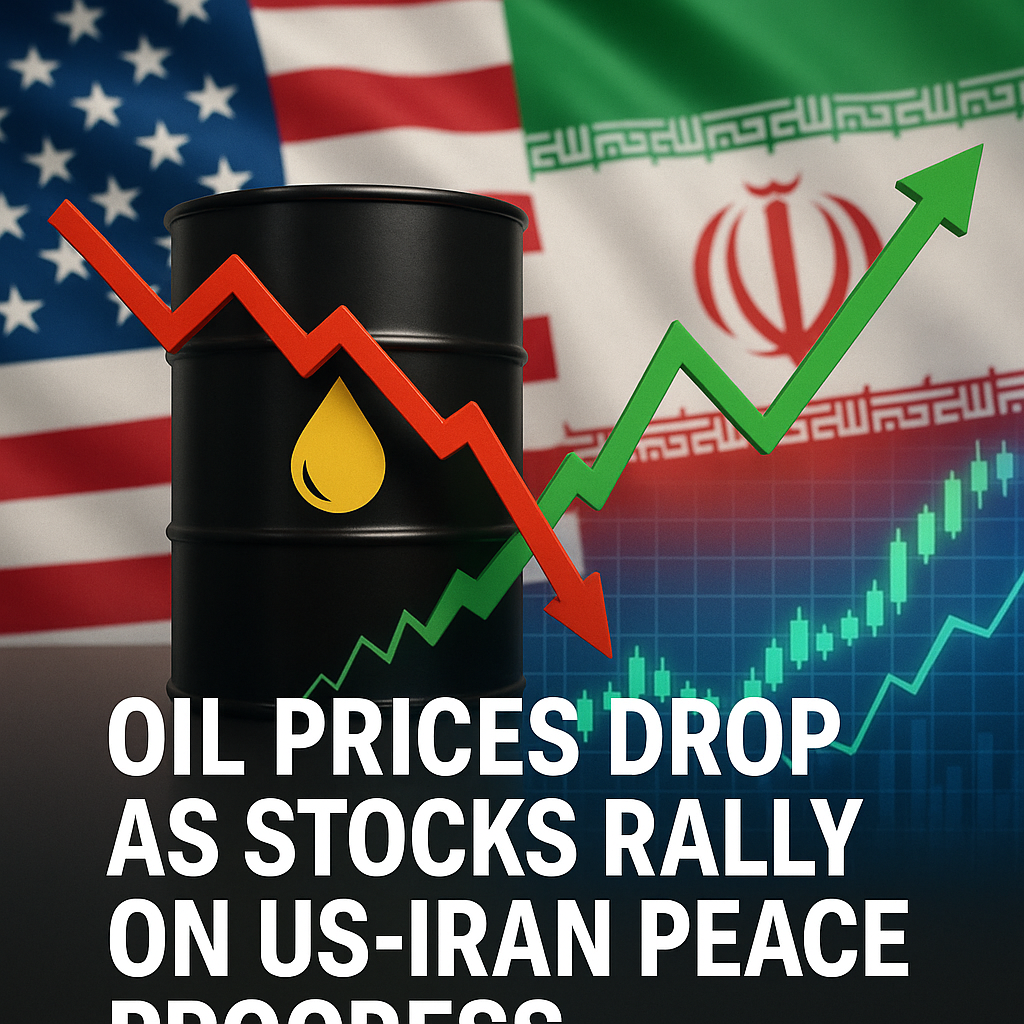
After Trumps surprising ceasefire announcement with Iran, oil prices plummeted over 4%, showcasing just how closely tied our fuel costs are to global peace talks—will this be a short-lived relief or the start of lasting stability?
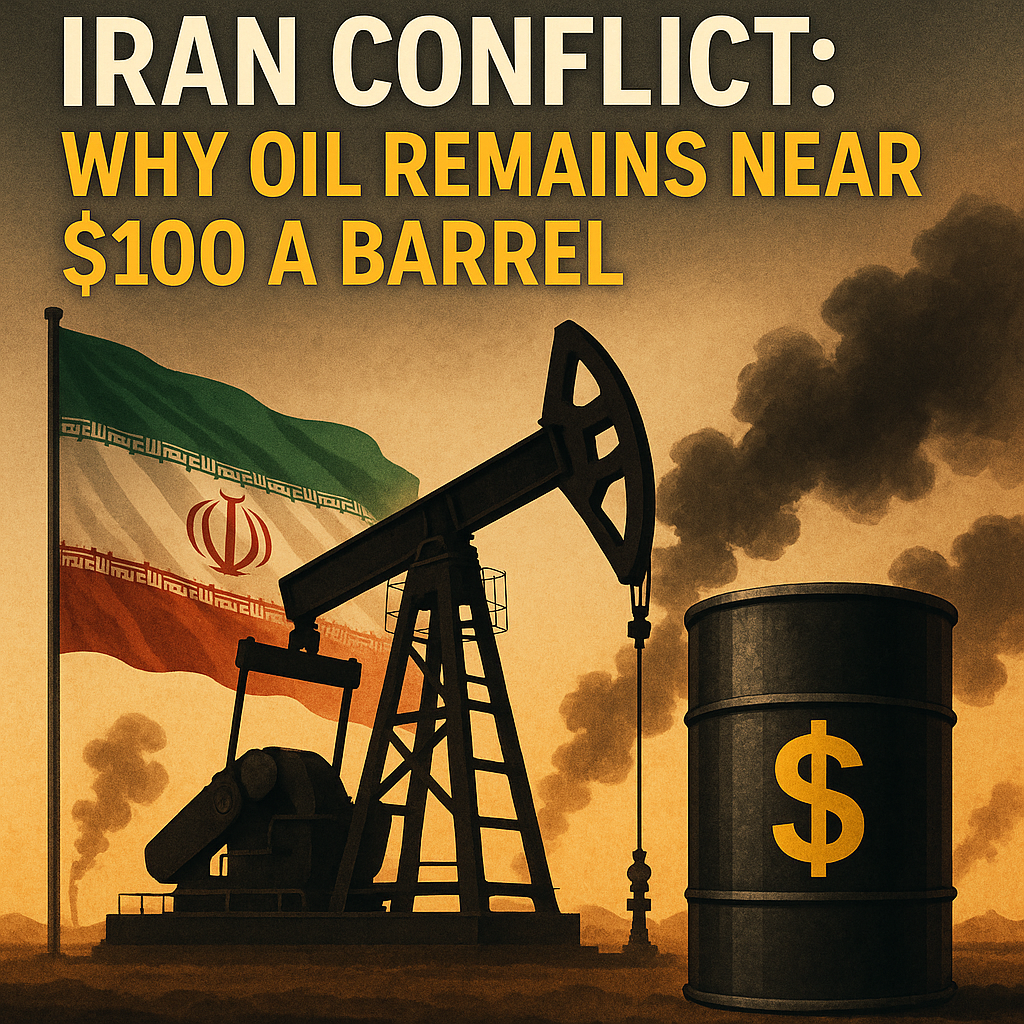
As the conflict in Iran intensifies, global oil prices are soaring, sending shockwaves through economies and impacting consumers everywhere. Stay informed on how these rising costs might affect your wallet and the world around you!