
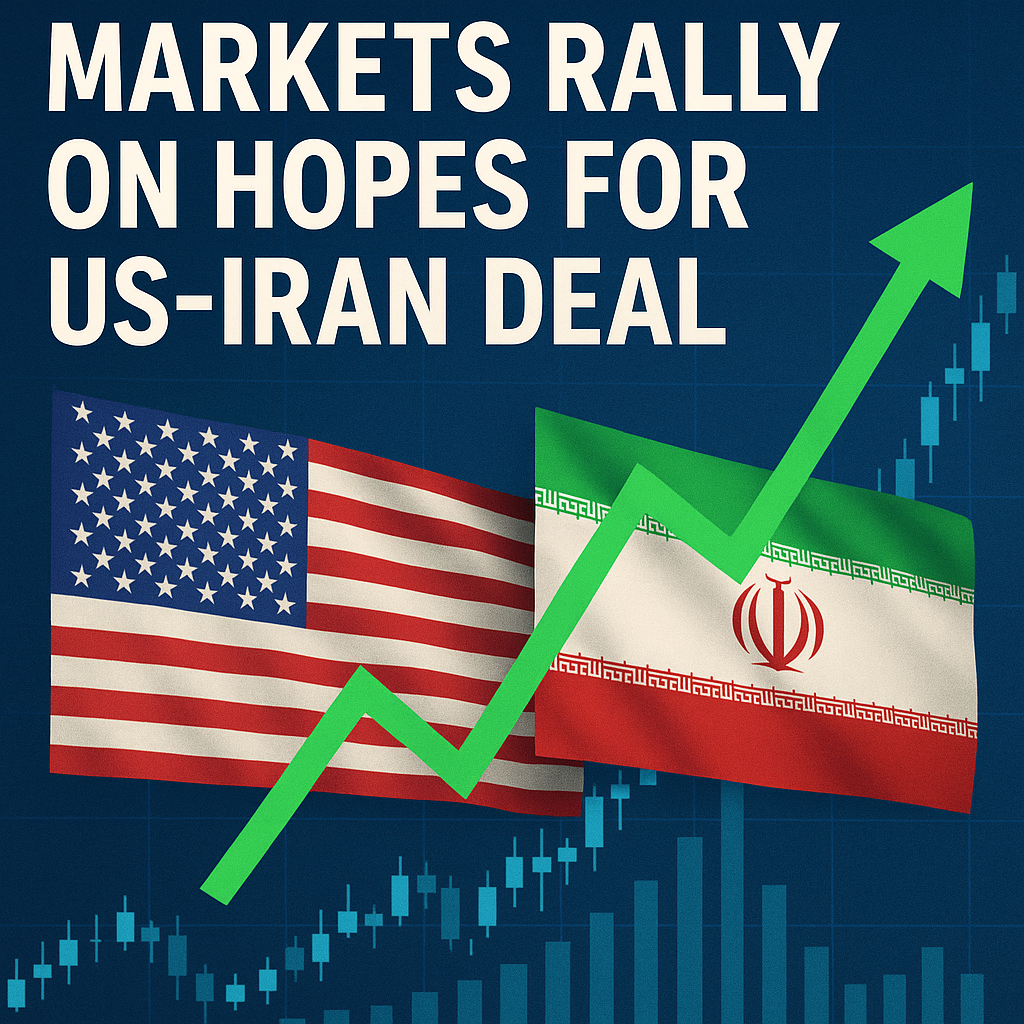
Markets Rally on Hopes for US-Iran Deal
Markets Rally Amid Hopes for US-Iran Deal
In recent days, global financial markets have experienced a significant upward trend, driven primarily by optimistic projections regarding a possible diplomatic agreement between the United States and Iran. While the complexities of international relations often render such developments tentative, the current climate has sparked both enthusiasm and cautious optimism among investors.

Economic Implications of a Potential Deal
The favorable market response can be partially attributed to the forecasted economic benefits that would arise from improved US-Iran relations. A deal could alleviate longstanding tensions, allowing for more robust trade and investment flows between nations. According to various economic analysts, the lifting of sanctions against Iran could pave the way for increased oil exports, potentially stabilizing global oil prices and providing a boost to the energy sector.

– Oil Market Stability: An effective US-Iran agreement may lead to a surge in Iranian oil production, which could contribute to a more stable global oil market. This is particularly pertinent given the volatility observed in oil prices amidst geopolitical uncertainties in recent years.

– Investor Sentiment: Financial markets often react positively to news that suggests a clear pathway to resolution regarding geopolitical tensions. Investor sentiment can significantly influence the performance of various sectors, particularly those directly tied to trade.
Diverse Perspectives on the Possible Outcomes
Despite the uplifting narrative surrounding the potential deal, opinions on the long-term implications vary widely among analysts and policymakers.
Optimistic Views
Supporters of the potential agreement argue that re-establishing diplomatic channels could lead to lasting peace in the region and promote economic cooperation. The prospect of sanctions being lifted has prompted hopes that both nations can engage in constructive dialogue, moving from confrontation to collaboration. This viewpoint aligns with assertions from some economic strategists, who contend that a peaceful resolution would not only benefit the US and Iran but also positively impact regional stability across the Middle East.
Cautious Skepticism
Conversely, there exists a more skeptical outlook regarding the feasibility and implications of reaching a comprehensive agreement. Some experts highlight the persistent distrust between the two nations, questioning whether any deal could withstand political hurdles or shifting public sentiments in either country. Additionally, critics point to the challenges posed by internal factions within Iran that may oppose rapprochement with the US, thereby complicating implementation.
Furthermore, analysts note that a sudden influx of Iranian oil could risk oversaturation in the market, subsequently resulting in price fluctuations that might negate initial positive effects. The energy sector, while hopeful, is treading cautiously, seeking assurances over the sustainability of any potential boost.
Balancing Hopes and Realities
As the situation develops, several factors will play crucial roles in determining the outcomes of this potential deal. These include:
– Geopolitical Landscape: The influences of other regional players, including allies and adversaries of both nations, will inevitably shape negotiations and any resulting agreements. This dynamic makes the landscape unpredictable and necessitates a keen eye on evolving geopolitical trends.
– Economic Indicators: Market responses, while often optimistic in the face of potential deals, can be volatile and influenced by a myriad of economic indicators. Stakeholders must remain vigilant, weighing these changes against their investment strategies.
– Public Sentiment: Domestic opinions in both the US and Iran regarding the agreement will also impact its trajectory. Voter sentiment may shift based on perceived gains or losses resulting from diplomatic engagement.
Conclusion
The current rally in financial markets reflecting optimism over a potential US-Iran deal underscores the intricate interplay between diplomacy and economics. While the outlook remains cautiously hopeful among many, underlying skepticism regarding the robustness and longevity of such an agreement persists. As we navigate these complexities, both investors and policymakers must remain adaptable and informed, aware that the intertwining of global politics and economics often yields unpredictable results. The journey towards resolution is fraught with challenges, but a successful negotiation could mark a transformative chapter for US-Iran relations and the broader geopolitical landscape.















