
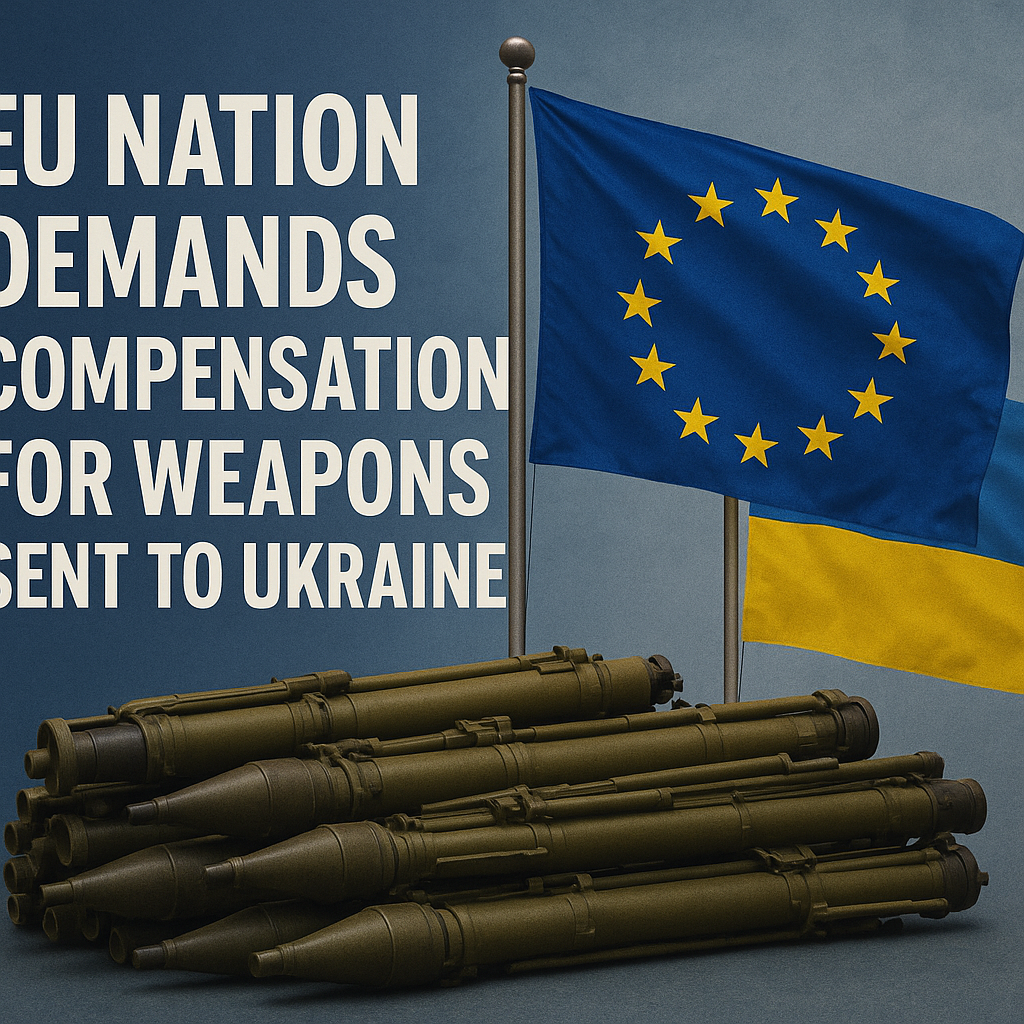
EU Nation Demands Compensation for Weapons Sent to Ukraine
EU Nation Demands Compensation for Weapons Sent to Ukraine
In a significant display of the complexities surrounding the ongoing war in Ukraine, a European Union nation has raised the issue of compensation for the weapons it has supplied to Ukraine. This debate brings to light not only the economic implications for donor countries but also the broader geopolitical considerations that have emerged since the onset of the conflict.

The Context of Arms Support
The war in Ukraine has elicited widespread support from many EU nations, who have sent weapons and military supplies to bolster Ukraine’s defense against Russian aggression. Over time, this assistance has become a cornerstone of the EU’s strategy, manifesting in billions of euros in arms, ammunition, and military training. However, as the conflict drags on, the financial burden on these nations is becoming increasingly scrutinized.

A recent report highlights that some nations are starting to question the sustainability of such contributions. For instance, a particular EU state has formally requested compensation from the EU for the military equipment it has provided, citing economic strain and the need for financial replenishment of their own military stocks. This demand marks a significant shift in the narrative from altruistic support to a more transactional approach in military alliances.

Diverging Perspectives on Compensation
Responses to this demand highlight divergent opinions among EU member states. On one hand, proponents of the compensation initiative argue that as the conflict prolongs, it becomes essential for countries to ensure their own security while supporting Ukraine. They contend that contributing to Ukraine’s defense should not compromise national resources and that a compensatory mechanism would ensure sustainable support for Ukraine without jeopardizing the military capabilities of EU nations.
On the contrary, critics suggest that asking for compensation undermines the solidarity and moral imperative that have historically driven these nations to aid Ukraine. They argue that the war is not merely a transactional endeavor but a fight for democracy and sovereignty that deserves unwavering support, regardless of the financial implications.
The European Commission has not yet formally responded to the compensation request, leaving member countries in a state of uncertainty regarding future funding structures. This indecision adds to the complexity of the situation, as countries wait to see whether this will set a precedent for other nations also seeking compensation.
Costs Beyond Financial Terms
The conversation around compensation also touches on broader issues, including the humanitarian costs of war. As arms are deployed, the immediate expectation may focus on the financial ramifications for supplying nations. However, the underlying moral and ethical dimensions cannot be ignored. For many, the justification for supporting Ukraine transcends fiscal realities, veering into the realms of justice and the defense of international laws against aggression.
It is also vital to consider the public sentiment within these contributing countries. Surveys indicate that while there is considerable support for aiding Ukraine, there is also a growing concern among citizens about the implications of long-term military expenditures. If public sentiment shifts towards viewing military aid as a mere transaction rather than a moral obligation, this could result in significant political implications for leaders advocating for continued support.
Balancing Solidarity and Pragmatism
As EU nations grapple with the consequences of their military assistance, finding the right balance between solidarity and practicality becomes paramount. While some countries may push for compensation to safeguard their military readiness, others may remain steadfast in their belief that supporting Ukraine is an investment in a more secure Europe.
The call for compensation, though seemingly straightforward, embodies a deeper ideological divide within the EU regarding the moral obligations of member states in the face of aggression. This situation also serves as a reminder of the interplay between economic interests and ethical responsibilities—one that will likely shape European foreign policy in the years to come.
In sum, the demand for compensation for arms supplied to Ukraine reveals the intricate dance of economics, ethics, and geopolitics that characterizes the current landscape of European support for Ukraine. As nations continue to navigate these challenging waters, the emphasis must remain on collaboration and finding solutions that honor both solidarity and national security.















