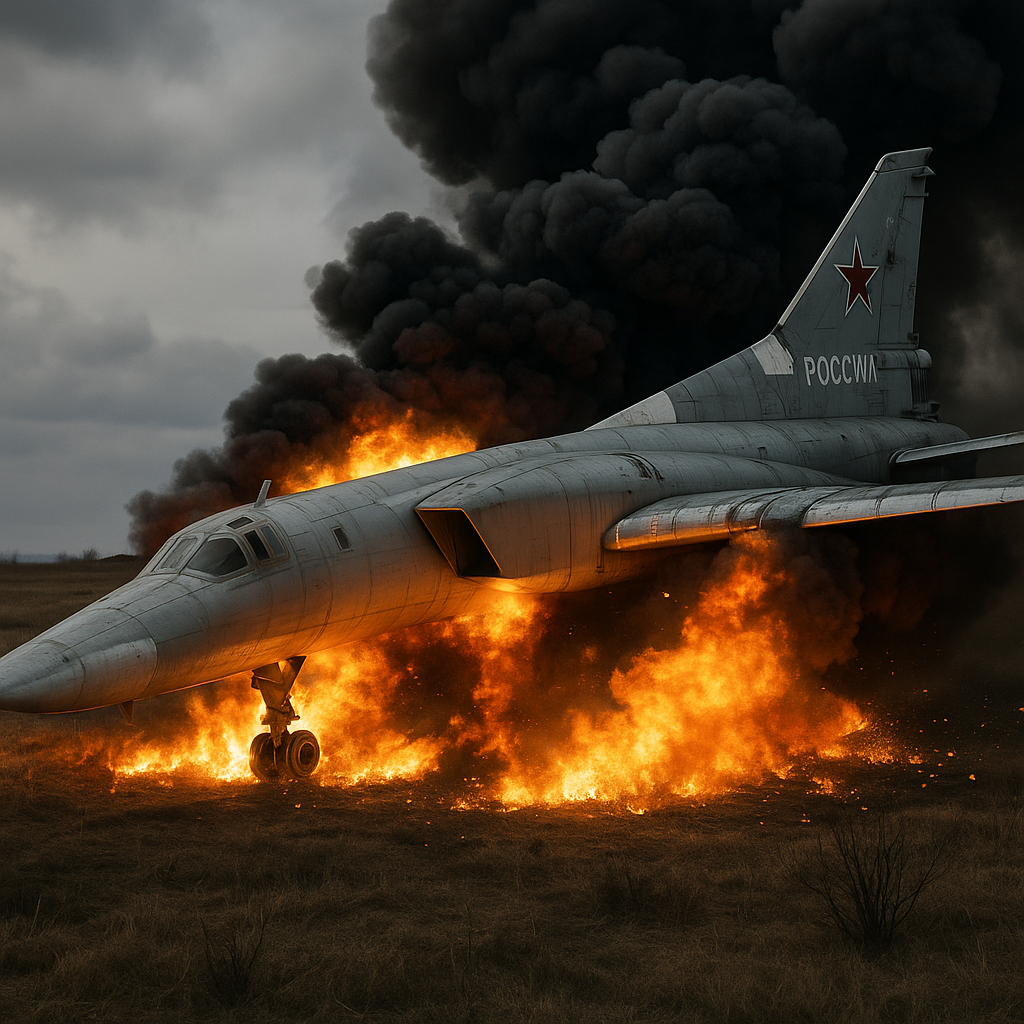
Russian Bomber Crashes in Siberia During Training Exercise
Russian Bomber Crashes in Siberia During Training Exercise
A Russian supersonic bomber recently crashed in Siberia during a routine training exercise, raising significant concerns about military safety practices and the implications for defense readiness.

The Incident: What We Know
According to reports from various news outlets, the Tu-160 bomber went down approximately 60 kilometers from a major military base in the Siberian region. Preliminary investigations suggest that the crash was not caused by any external factors, indicating a possible technical failure. Witnesses reported seeing the aircraft lose altitude rapidly before it went down, prompting immediate rescue efforts from nearby airbases.

The Russian Ministry of Defence confirmed the incident, stating that all crew members were evacuated safely prior to the crash. This highlights some level of operational preparedness in terms of emergency measures, although it unveils questions about the aircraft’s mechanical reliability.

Further investigations will focus on the structural integrity of the Tu-160 turn functionality, introduced into the Russian military arsenal in the 1980s. This aircraft, known for its speed and payload capacity, has been a key asset in Russia’s strategic bomber fleet. However, its aging technology may raise concerns about the operational capabilities of Russia’s air force as they potentially face increasing scrutiny from NATO and other international military forces.
Divergent Views on Military Readiness
Analysts observe a split in opinion regarding Russia’s military preparedness following this incident. On one hand, some commentators argue that the crash underscores a broader issue of aging military hardware within the Russian fleet. The Tu-160 specifically, while a formidable plane in its own right, is entering its fourth decade of service, and many argue that its continued reliance risks compromising military strategy and effectiveness.
Conversely, Russian military experts claim that incidents like this are not remarkable in the context of extensive training exercises involving complex machinery. They cite that mechanical failures can occur in any air force worldwide and emphasize that the Russian military continues to successfully complete numerous training operations without incident. “One-off events should not define operational competence,” remarked one air force analyst in a recent assessment.
The differing perspectives reflect a deep context of military readiness where not just technical aspects, but political ramifications also play a pivotal role. With Russia’s increasing military engagement in areas like Ukraine and its assertive posturing towards NATO, maintaining a robust air force is perceived as critical by military strategists.
Safety Protocols in the Spotlight
The recent crash has opened discussions on safety protocols within the Russian military framework. Critics suggest that more stringent maintenance practices and updated technologies may be necessary to prevent future incidents. There is a compelling argument that investing in modernizing the fleet could mitigate risks, aligning with the global military trend toward advanced defense systems.
In contrast, some Russian officials maintain that the current training exercises are vital for ensuring combat readiness. They argue that while tech failures can happen, they serve as learning opportunities for the air force. This sentiment suggests an acceptance of risk as part of maintaining a capable military force.
Looking Ahead: Implications for Russian Military Strategy
As investigations into the crash unfold, the implications for Russian military strategy and operational readiness remain to be seen. International observers will be keenly interested in whether this incident prompts a shift in policy regarding aircraft safety and modernization efforts.
Despite localized assurances of military competence, this crash raises genuine questions about the aging fleet’s ability to meet contemporary warfare demands. The balance between maintaining an advanced military capability and the ongoing issues of technological obsolescence will have lasting effects on Russia’s defense posture.
In summary, the crash of the Russian bomber in Siberia serves as a reminder of the complexities of military aviation, bringing to the forefront critical dialogues about safety, aging technology, and the future of military preparedness. As the Russian military navigates the fallout from this incident, the focus will inevitably shift to ensuring that the lessons learned translate into improved safety measures moving forward.