Trump’s Iran Deal: Israelis React with Anger and Anxiety

Trump’s Iran Deal: Israelis React with Anger and Anxiety
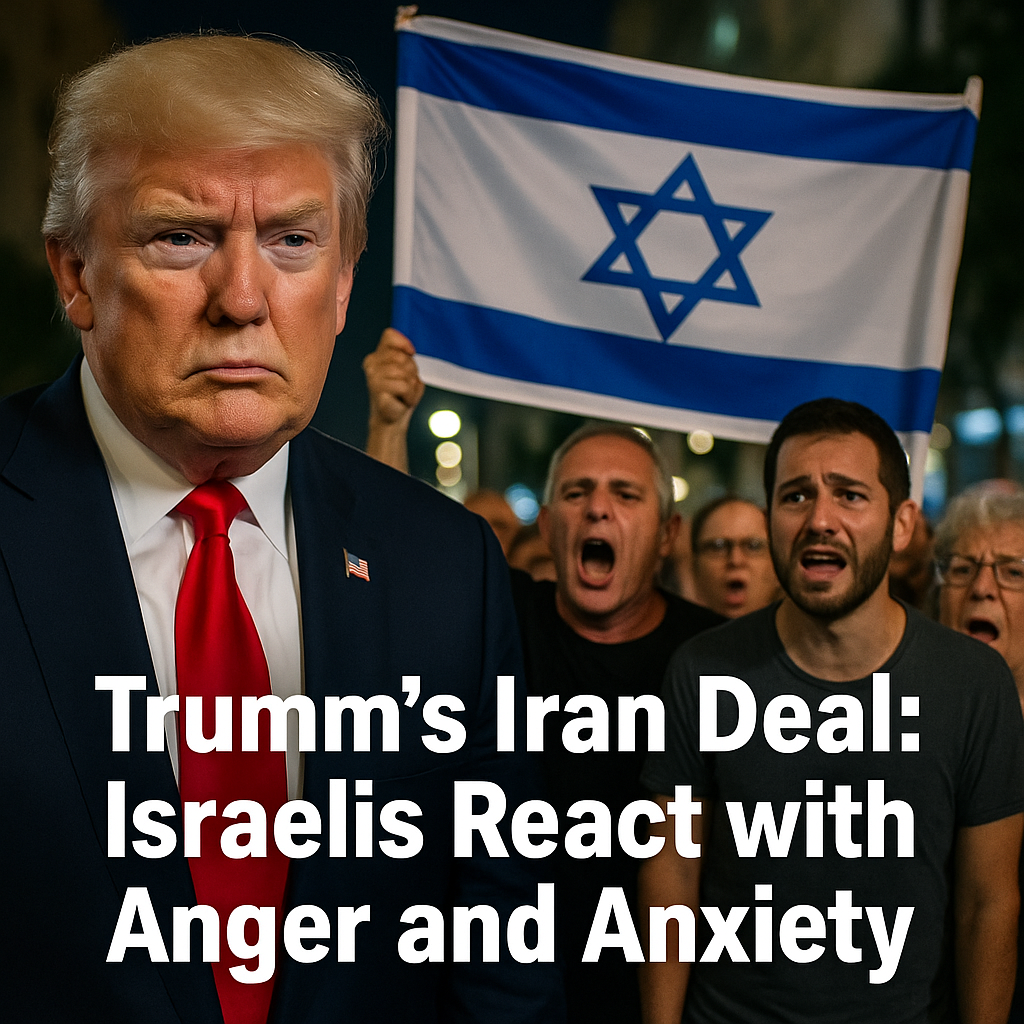
The announcement of former President Donald Trump’s potential revival of the Iran nuclear deal has elicited strong reactions from Israelis, highlighting a complex web of anger and anxiety within the region. As new diplomatic efforts unfold, the implications for Israel, a key player in Middle Eastern geopolitics, are profound and multifaceted.

Growing Concerns in Israel
Many Israelis have expressed their concerns regarding the revival of the Iran nuclear deal, formally known as the Joint Comprehensive Plan of Action (JCPOA). This apprehension is rooted in the belief that any leniency shown towards Iran could embolden its regional influence and activities perceived as aggressive. For instance, a recent article by RT reported widespread discontent among Israeli citizens, who fear that a renewed agreement would allow Iran to pursue its nuclear ambitions, thus jeopardizing Israel’s national security.


This sentiment is echoed by Israeli leaders who underscore the need to confront what they see as an existential threat. Former Israeli Prime Minister Naftali Bennett has made it clear that he views Iran’s continued pursuit of nuclear capabilities as a direct challenge to Israel’s safety. He argues that the original framework of the JCPOA was flawed, allowing Iran to develop its missile technology while lifting economic sanctions. Bennett’s stance emphasizes a desire for a more robust and secure agreement that actively curtails Iran’s military advancements.


Divided Opinions: Allies and Critics
Not everyone in Israel shares the same view. While a significant faction of the populace shares concerns about Iran, there are voices advocating for renewed diplomacy as a strategic necessity. Reports from Al Jazeera indicate that some analysts and citizens believe that engaging Iran diplomatically could potentially de-escalate tensions in the long term. The idea here is that dialogue rather than isolation might pave the way for a safer regional environment.
This contrast in perspectives reflects a broader debate within Israeli society regarding how best to approach Iran’s nuclear threat. Proponents of a diplomatic route argue that punitive measures have not yielded the desired outcomes and that a comprehensive deal could not only limit Iran’s nuclear program but also facilitate broader regional stability. They contend that previous strategies focusing solely on aggression and disapproval have failed to thwart Iran’s advancements.
The Emotional Landscape: Fear and Futurity
Adding to the emotional weight of this situation is the collective memory of past conflicts and threats. The incidents of conflict between Israel and Iranian proxies, such as Hezbollah in Lebanon, heighten fears that any nuclear deal could empower hostile groups further. Emotional responses from citizens, as shared in various reports, reflect a prevailing climate of insecurity, with many discussing their unease about future scenarios where Iran might feel emboldened to act more aggressively.
Moreover, the unpredictability of international diplomacy adds a layer of anxiety. Reports suggest that the Israeli public is wary of how robustly their government can stand up to international pressure, especially from allies who may favor more conciliatory approaches towards Iran.
Conclusion: A Tenuous Path Ahead
In sum, the reactions from Israel towards Trump’s prospective reinstatement of the Iran nuclear deal are steeped in a complex mix of anger, fear, and a yearning for peace. The diverse opinions highlight a populace grappling with the implications of international negotiations on their immediate security and future.
As the situation evolves, it remains uncertain how Israel will maneuver within this rapidly changing landscape. The consensus among leadership is clear—any agreement must ensure the safety and security of the Israeli nation. However, the contrasting views from within the society suggest that a unified stance might be challenging to achieve.
In navigating this delicate terrain, Israelis find themselves at a crossroads, balancing deep-seated fears with the hope for a pragmatic resolution that safeguards their future. The coming months will likely prove critical, not just for Israel, but for the broader geopolitical balance in the Middle East.