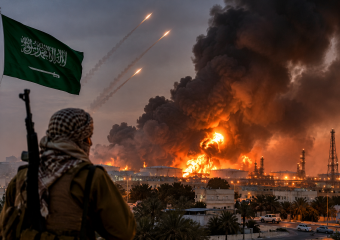
How Social Media Influences News Coverage in the Israeli-Palestinian Conflict
How Social Media Influences News Coverage in the Israeli-Palestinian Conflict
The Power of Social Media Platforms
Social media platforms have become pivotal in shaping the narrative and coverage of the Israeli-Palestinian conflict. These platforms offer real-time updates and diverse perspectives, often bypassing traditional media filters.

- Real-Time Updates: Platforms like Twitter and Facebook provide instant news dissemination, allowing users to share live updates from conflict zones.
- Diverse Voices: Social media amplifies voices from both sides of the conflict, offering a broader range of perspectives than mainstream media.
- Viral Content: Videos and images can quickly go viral, influencing public opinion and media coverage.
Impact on Traditional Media
Social media’s influence extends to traditional news outlets, which often rely on these platforms for breaking news and eyewitness accounts.

- Source of News: Journalists frequently use social media as a source for stories and leads.
- Verification Challenges: The speed of social media can lead to challenges in verifying the authenticity of information.
- Agenda Setting: Social media trends can shape the news agenda, pushing certain stories to the forefront.
Challenges and Criticisms
While social media offers numerous benefits, it also presents challenges and criticisms, particularly in the context of the Israeli-Palestinian conflict.

- Misinformation: The rapid spread of unverified information can lead to misinformation and propaganda.
- Echo Chambers: Users may find themselves in echo chambers, reinforcing existing biases and limiting exposure to opposing views.
- Polarization: The emotionally charged nature of social media can exacerbate tensions and deepen divisions.
Conclusion
Social media plays a crucial role in influencing news coverage of the Israeli-Palestinian conflict by providing real-time updates, amplifying diverse voices, and impacting traditional media. However, it also poses challenges such as misinformation and polarization. As social media continues to evolve, its role in shaping conflict narratives will remain significant, necessitating careful navigation and critical engagement from both users and journalists.