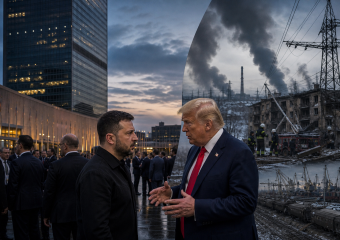
Austria Reports EU in ‘Standoff’ with Russia
Austria Reports EU in ‘Standoff’ with Russia
Overview of the Situation
Austria has highlighted a growing tension between the European Union (EU) and Russia, describing it as a ‘standoff’. This development comes amid escalating geopolitical tensions and complex diplomatic relations between the two entities.

Key Factors Contributing to the Standoff
- Sanctions and Economic Measures: The EU has imposed a series of sanctions on Russia, which have been met with retaliatory measures, affecting trade and economic relations.
- Energy Dependency: Europe’s reliance on Russian energy supplies, particularly natural gas, complicates the situation, as both sides navigate energy security concerns.
- Geopolitical Tensions: Ongoing conflicts and political disagreements, particularly regarding Ukraine, have intensified the standoff.
Implications for the EU and Russia
The standoff has significant implications for both the EU and Russia, affecting economic stability, energy security, and diplomatic relations. The EU faces challenges in balancing its energy needs with political stances, while Russia navigates economic pressures from sanctions.

Potential Resolutions and Future Outlook
- Diplomatic Engagement: Increased diplomatic efforts could help de-escalate tensions and foster dialogue between the EU and Russia.
- Energy Diversification: The EU may explore alternative energy sources to reduce dependency on Russian supplies.
- Continued Sanctions: The EU might maintain or intensify sanctions to pressure Russia, though this could further strain relations.
Conclusion
The ‘standoff’ between the EU and Russia represents a complex geopolitical challenge with far-reaching implications. Key issues include economic sanctions, energy dependency, and geopolitical tensions. The situation calls for strategic diplomatic efforts and potential energy diversification to navigate the evolving landscape.