Can Mosquitoes Be Used to Administer Malaria Vaccines?
Can Mosquitoes Be Used to Administer Malaria Vaccines?
Introduction to an Innovative Approach
In a groundbreaking exploration of vaccine delivery methods, researchers are investigating the potential of using mosquitoes to administer malaria vaccines. This novel approach aims to leverage the natural behavior of mosquitoes to enhance vaccine distribution, particularly in regions where malaria is endemic.

The Science Behind Mosquito-Delivered Vaccines
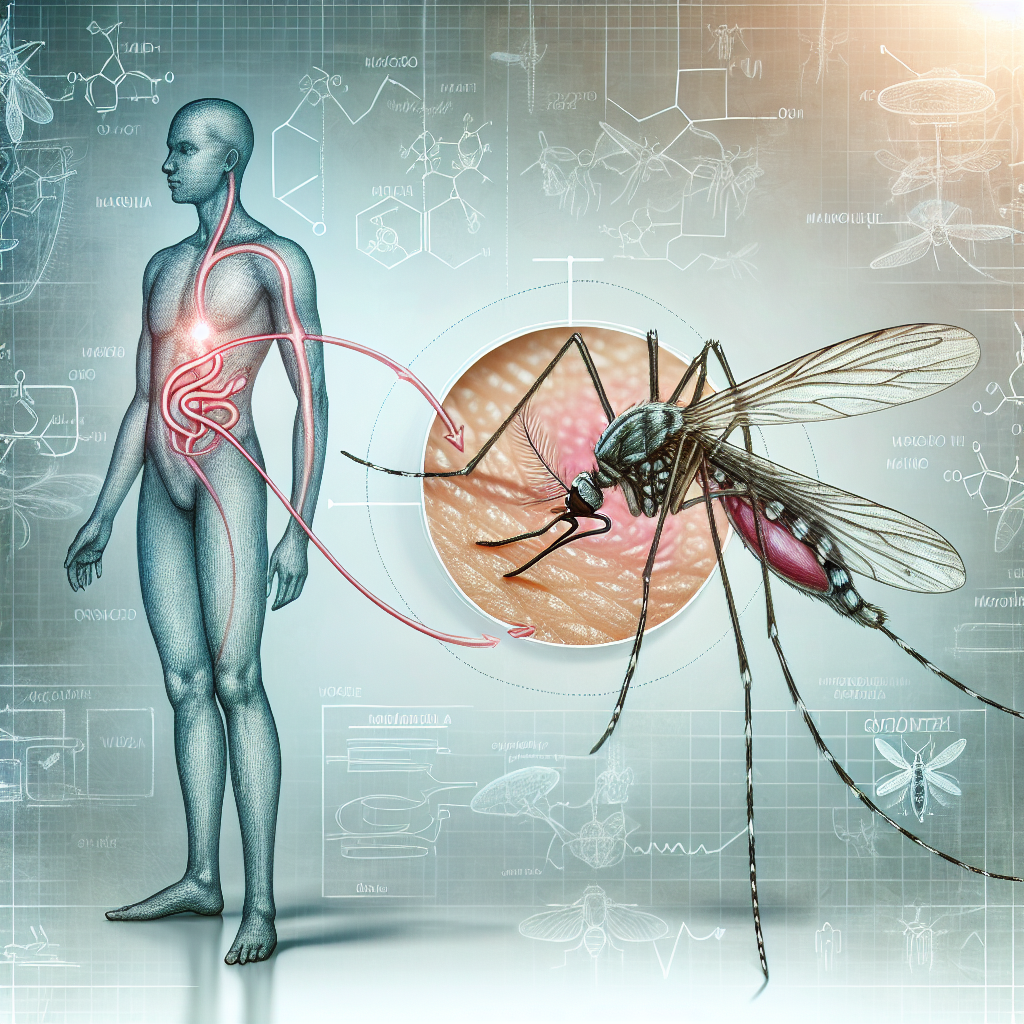
The concept involves genetically modifying mosquitoes to carry a weakened form of the malaria parasite. When these mosquitoes bite humans, they could potentially deliver a small dose of the vaccine, stimulating an immune response without causing the disease.

- Genetic modification of mosquitoes to carry a vaccine.
- Utilization of mosquito bites as a natural delivery system.
- Potential to reach remote and underserved populations.
Potential Benefits and Challenges
This innovative method could revolutionize how vaccines are distributed, offering several potential benefits:

- Cost-effective distribution in hard-to-reach areas.
- Reduction in logistical challenges associated with traditional vaccine delivery.
- Increased accessibility for populations with limited healthcare infrastructure.
However, there are significant challenges and ethical considerations:
- Ensuring the safety and efficacy of the vaccine delivery method.
- Addressing public concerns and ethical implications of using genetically modified organisms.
- Regulatory hurdles and the need for extensive testing and approval.
Conclusion: A Promising Yet Complex Solution
The idea of using mosquitoes to administer malaria vaccines presents a promising yet complex solution to a longstanding global health challenge. While the potential benefits are significant, careful consideration of the scientific, ethical, and logistical aspects is crucial. Continued research and dialogue will be essential to determine the feasibility and acceptability of this innovative approach.