From Mourning to Politics: Germany’s Christmas Market Attack
From Mourning to Politics: Germany’s Christmas Market Attack
Overview of the Tragic Event
In December 2016, a devastating attack occurred at a Christmas market in Berlin, Germany, leaving the nation in shock and mourning. The incident, which involved a truck plowing into the crowded market, resulted in multiple casualties and injuries, marking one of the deadliest attacks in Germany in recent years.

Immediate Aftermath and Public Response
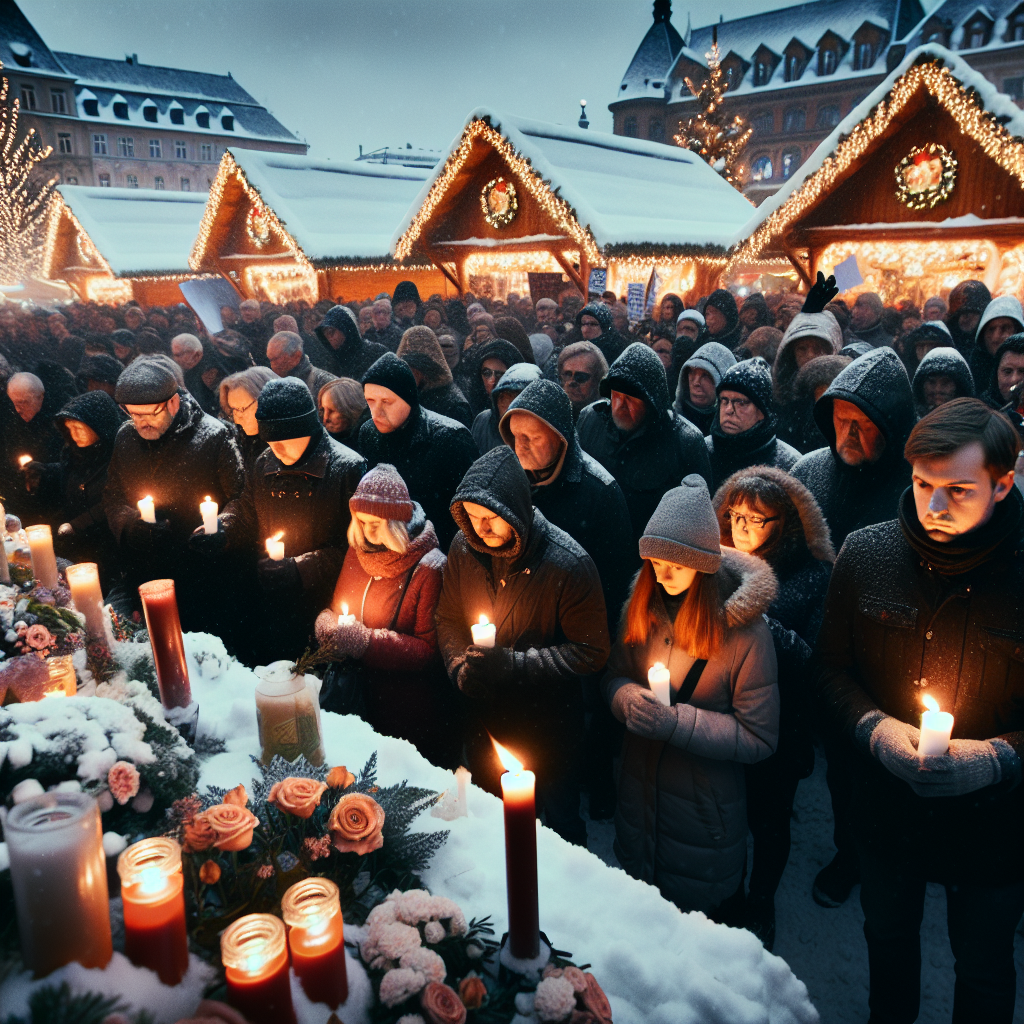
The attack prompted an outpouring of grief and solidarity across Germany and the world. Vigils and memorials were held to honor the victims, and the public demanded answers and accountability from the authorities.

- Immediate closure of Christmas markets across Germany for security assessments.
- Increased police presence and heightened security measures in public spaces.
- National and international expressions of sympathy and support.
Political Repercussions and Debates
The attack quickly became a focal point for political discourse in Germany, influencing debates on national security, immigration policies, and counter-terrorism strategies. The incident intensified scrutiny on the government’s handling of security threats and its approach to integrating refugees and migrants.

- Calls for stricter immigration controls and vetting processes.
- Debates over the effectiveness of existing counter-terrorism measures.
- Political parties leveraging the incident to push their respective agendas.
Long-term Impact on German Society
Beyond immediate political ramifications, the attack had a lasting impact on German society, shaping public perceptions of safety and influencing future policy decisions. It also highlighted the need for a balanced approach to security and civil liberties.
- Increased focus on community resilience and support systems.
- Ongoing discussions about balancing security with human rights.
- Continued efforts to prevent radicalization and promote social cohesion.
Conclusion
The Berlin Christmas market attack was a pivotal moment in Germany’s recent history, transforming national mourning into a catalyst for political and social change. It underscored the complexities of addressing security threats while maintaining an open and inclusive society. The incident continues to influence Germany’s policies and public discourse, serving as a reminder of the ongoing challenges in ensuring safety and unity.