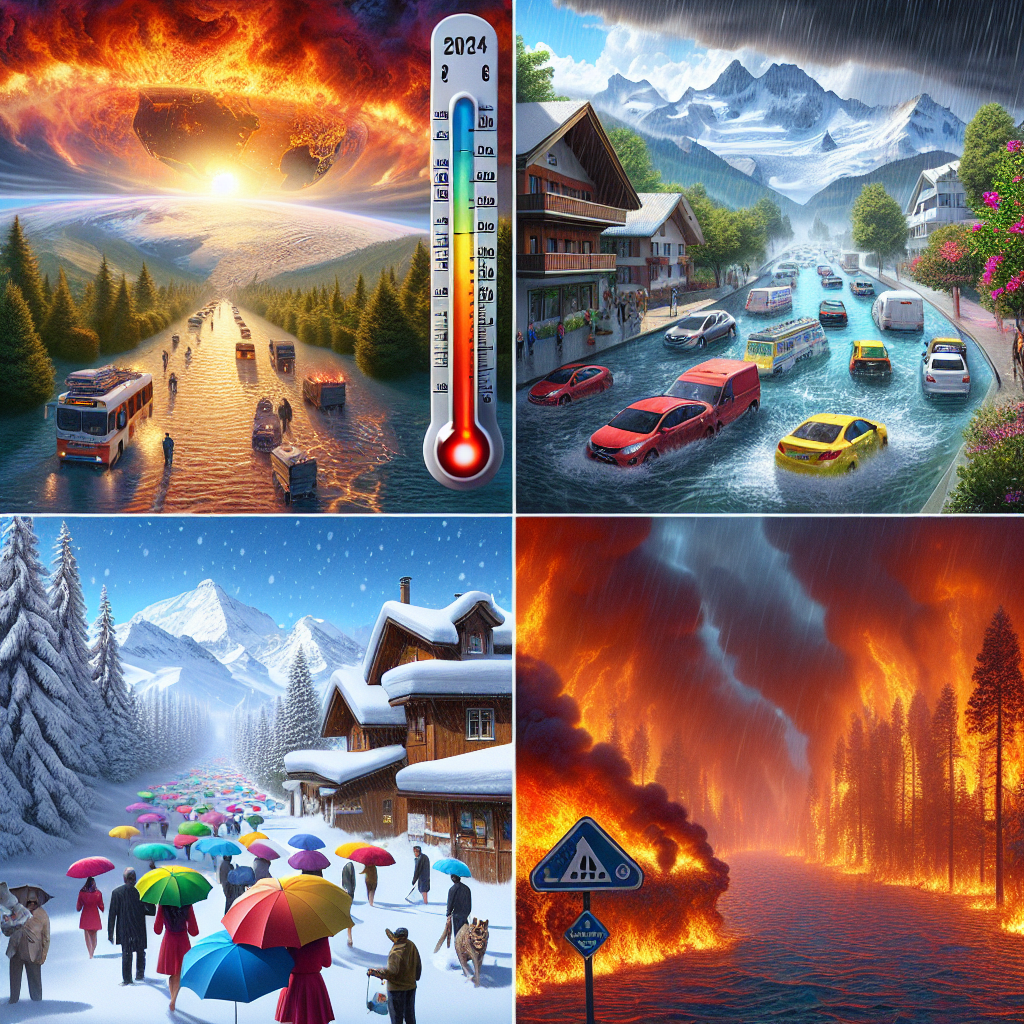
Record-Breaking Climate Events of 2024
Record-Breaking Climate Events of 2024
Introduction
The year 2024 has been marked by unprecedented climate events, setting new records and raising global concerns. This summary highlights the key climate phenomena that have defined the year, emphasizing their impact and the urgent need for action.

Extreme Weather Patterns
2024 witnessed a series of extreme weather events that shattered previous records, underscoring the intensifying effects of climate change.

- Heatwaves: Several regions experienced prolonged heatwaves, with temperatures soaring to new highs, affecting millions.
- Storms and Hurricanes: The Atlantic hurricane season was particularly active, with a record number of named storms.
- Flooding: Unprecedented rainfall led to severe flooding in multiple countries, causing widespread damage and displacement.
Environmental Impact
The record-breaking climate events of 2024 have had significant environmental repercussions, affecting ecosystems and biodiversity.

- Wildfires: Increased temperatures and dry conditions fueled massive wildfires, devastating large swathes of forest land.
- Glacial Melting: Accelerated melting of glaciers contributed to rising sea levels, threatening coastal communities.
- Oceanic Changes: Warmer ocean temperatures disrupted marine life, impacting fisheries and coral reefs.
Global Response
The alarming climate events of 2024 have prompted a global response, with nations and organizations striving to mitigate the impacts and adapt to changing conditions.
- Policy Initiatives: Governments are implementing stricter environmental regulations and investing in renewable energy.
- International Cooperation: Countries are collaborating on climate action plans and sharing resources to combat global warming.
- Public Awareness: Increased awareness and activism are driving grassroots movements and influencing policy changes.
Conclusion
The record-breaking climate events of 2024 serve as a stark reminder of the urgent need for comprehensive climate action. As extreme weather patterns continue to challenge the resilience of communities and ecosystems, global cooperation and innovative solutions are essential to mitigate the impacts and secure a sustainable future.