
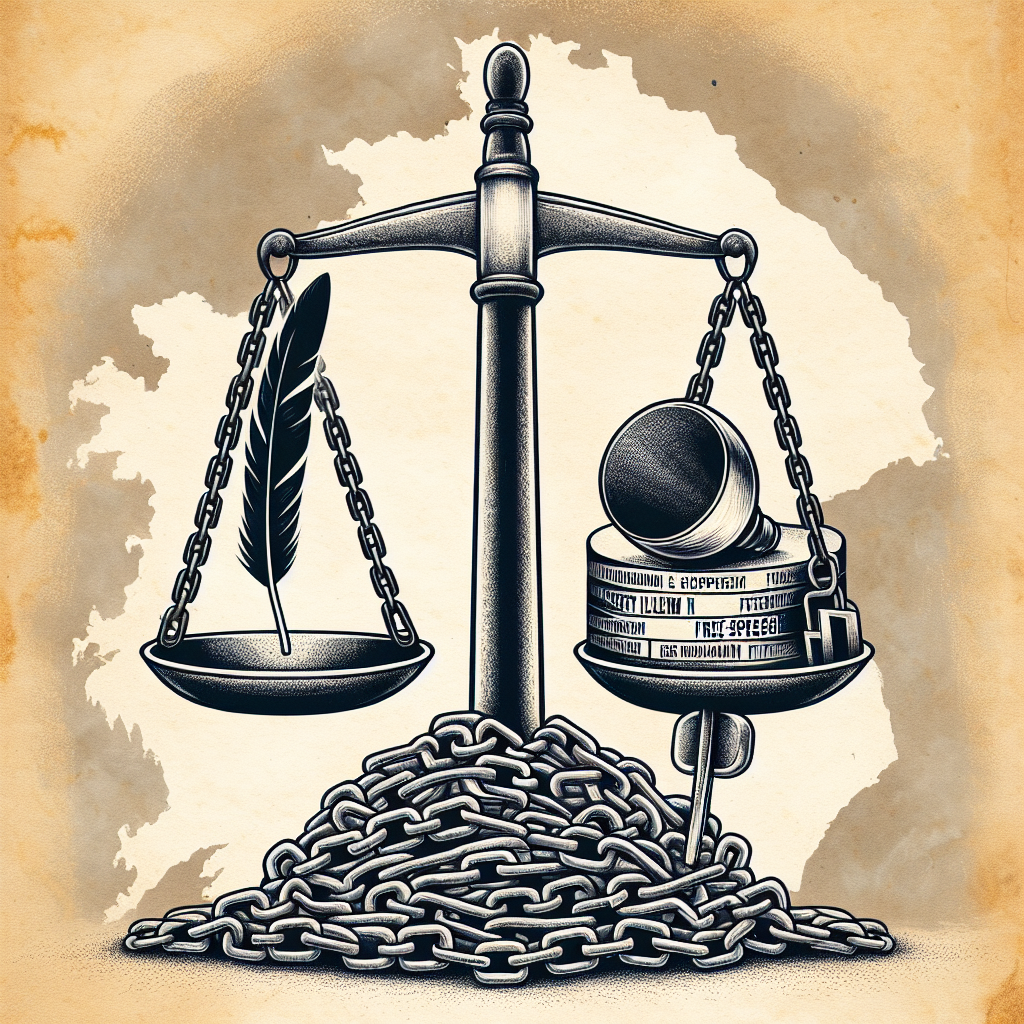
Critics Label Vietnam’s New Internet Law as a Threat to Free Speech
Critics Label Vietnam’s New Internet Law as a Threat to Free Speech
Overview of the New Internet Law
Vietnam has introduced a new internet law that has sparked significant controversy and criticism from various quarters. The legislation, which aims to regulate online content and data, is seen by many as a potential threat to free speech and digital freedom in the country.

Key Concerns Raised by Critics
- Increased Censorship: Critics argue that the law grants the government extensive powers to censor online content, potentially stifling dissent and limiting access to information.
- Data Privacy Issues: The law requires tech companies to store user data locally, raising concerns about privacy and the potential for government surveillance.
- Impact on Businesses: International tech firms may face challenges complying with the law, which could affect their operations and investment in Vietnam.
Government’s Justification
The Vietnamese government defends the law as a necessary measure to protect national security and combat cybercrime. Officials claim it will help maintain social order and safeguard citizens from harmful online content.

International Reactions
The law has drawn criticism from international human rights organizations and foreign governments, who view it as a step backward for internet freedom in Vietnam. There are concerns that it could set a precedent for other countries in the region.

Conclusion
Vietnam’s new internet law has ignited a debate over the balance between national security and free speech. While the government insists on its necessity, critics warn of its potential to undermine digital rights and freedom of expression. The international community continues to watch closely as the implications of this legislation unfold.













