
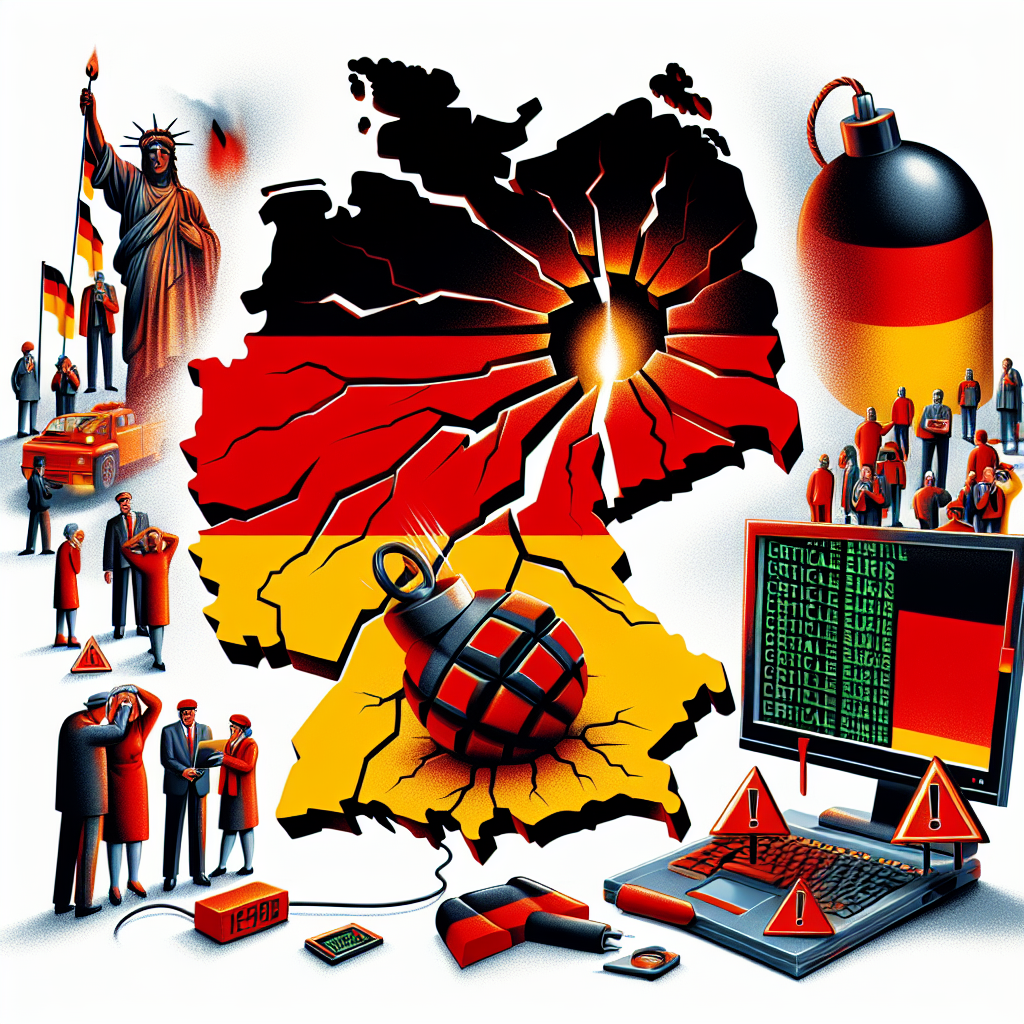
Germany’s Future at Risk Due to Critical Error
Germany’s Future at Risk Due to Critical Error
Overview
Germany, a leading European powerhouse, faces significant challenges that threaten its future stability and growth. A critical error in policy and planning has been identified as a major risk factor, potentially impacting the nation’s economic and social landscape.

Key Issues Identified
- Economic Vulnerability: Germany’s reliance on traditional industries is becoming a liability in the face of global technological advancements.
- Energy Crisis: The transition to renewable energy sources has been slower than anticipated, leading to potential energy shortages.
- Demographic Challenges: An aging population and declining birth rates pose long-term risks to the labor market and social welfare systems.
Implications for Germany
The identified issues could have far-reaching implications for Germany’s position on the global stage. Economic stagnation, energy insecurity, and demographic shifts may undermine the country’s competitive edge and social cohesion.

Potential Solutions
- Innovation and Diversification: Investing in new technologies and diversifying the economy could mitigate economic risks.
- Accelerated Energy Transition: Speeding up the shift to renewable energy sources is crucial to ensure energy security.
- Proactive Demographic Policies: Implementing policies to support families and attract skilled immigrants could address demographic challenges.
Conclusion
Germany stands at a crossroads, with critical errors threatening its future prosperity. Addressing these challenges through innovation, energy transition, and demographic strategies is essential to safeguard its economic and social stability. The nation’s ability to adapt and implement effective solutions will determine its trajectory in the coming years.













