
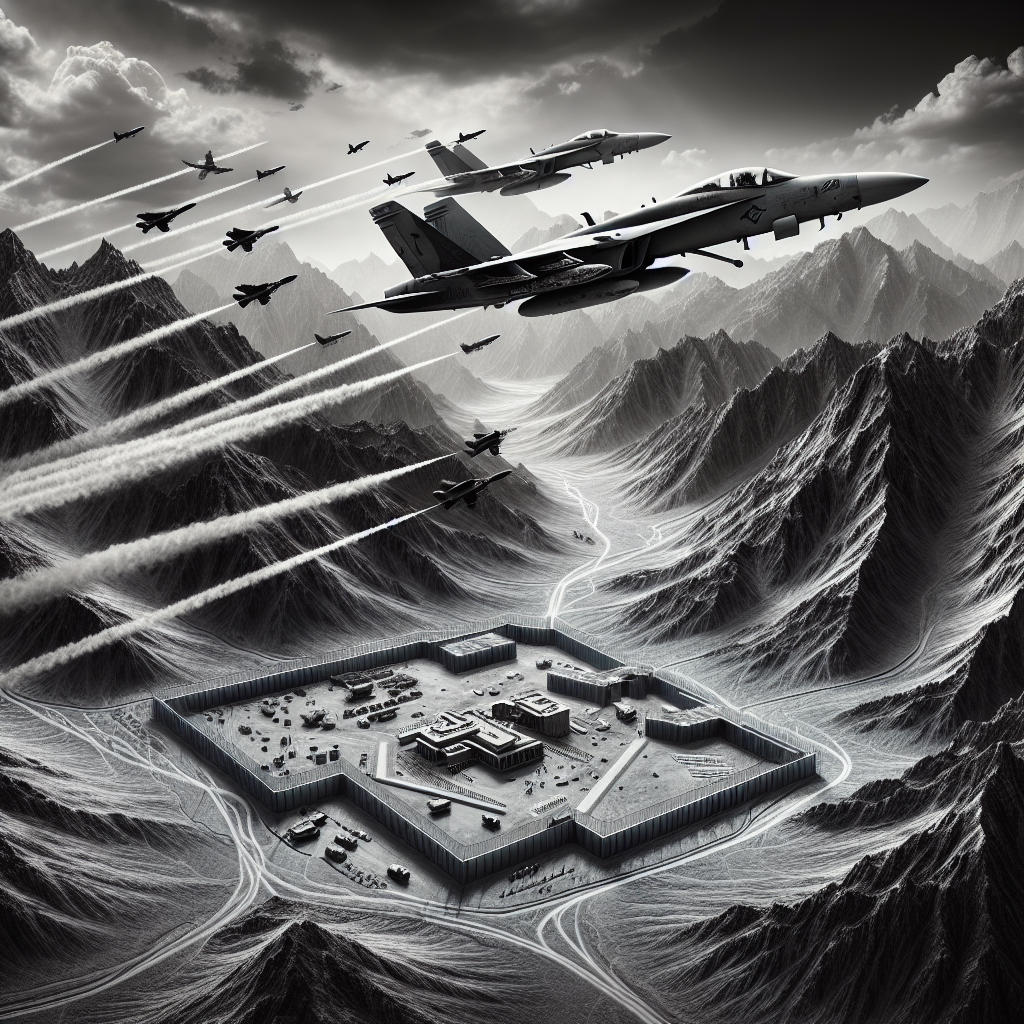
Pakistan Conducts Airstrikes on Militant Hideouts in Afghanistan
Pakistan Conducts Airstrikes on Militant Hideouts in Afghanistan
Background
In a significant military operation, Pakistan has launched airstrikes targeting militant hideouts located in Afghanistan. This move comes amid escalating tensions and security concerns in the region.

Key Details of the Airstrikes
- Targeted Areas: The airstrikes focused on specific regions known for harboring militant groups.
- Objective: The primary aim was to dismantle terrorist networks and prevent cross-border attacks.
- Coordination: Reports suggest that the operation was conducted with some level of coordination with Afghan authorities.
Reactions and Implications
The airstrikes have sparked varied reactions from different stakeholders:
Ads

- Pakistan’s Stance: Pakistani officials assert that the strikes were necessary for national security and to curb terrorism.
- Afghanistan’s Response: Afghan authorities have expressed concerns over sovereignty violations but acknowledge the threat posed by militants.
- International Perspective: The international community is closely monitoring the situation, emphasizing the need for regional stability and cooperation.
Potential Consequences
The airstrikes could have several implications for the region:
Ads

- Security Dynamics: The operation may alter the security landscape, potentially leading to retaliatory actions by militant groups.
- Diplomatic Relations: The incident could strain Pakistan-Afghanistan relations, necessitating diplomatic engagement to address mutual concerns.
- Regional Stability: The situation underscores the importance of collaborative efforts to ensure long-term peace and stability in the region.
Conclusion
Pakistan’s airstrikes on militant hideouts in Afghanistan highlight the ongoing security challenges in the region. While aimed at curbing terrorism, the operation raises questions about sovereignty and regional cooperation. Moving forward, diplomatic dialogue and coordinated efforts will be crucial in addressing these complex issues and fostering stability.
Ads

Ads

Ads

Ads

Ads

Ads

Ads

Ads

Ads

Ads

Ads



