The Case for Banning Boxing as a Sport
The Case for Banning Boxing as a Sport
Introduction
Boxing, a sport with a storied history, is under scrutiny as calls for its ban intensify. Critics argue that the inherent risks and ethical concerns outweigh its entertainment value and cultural significance.

Health Risks and Safety Concerns
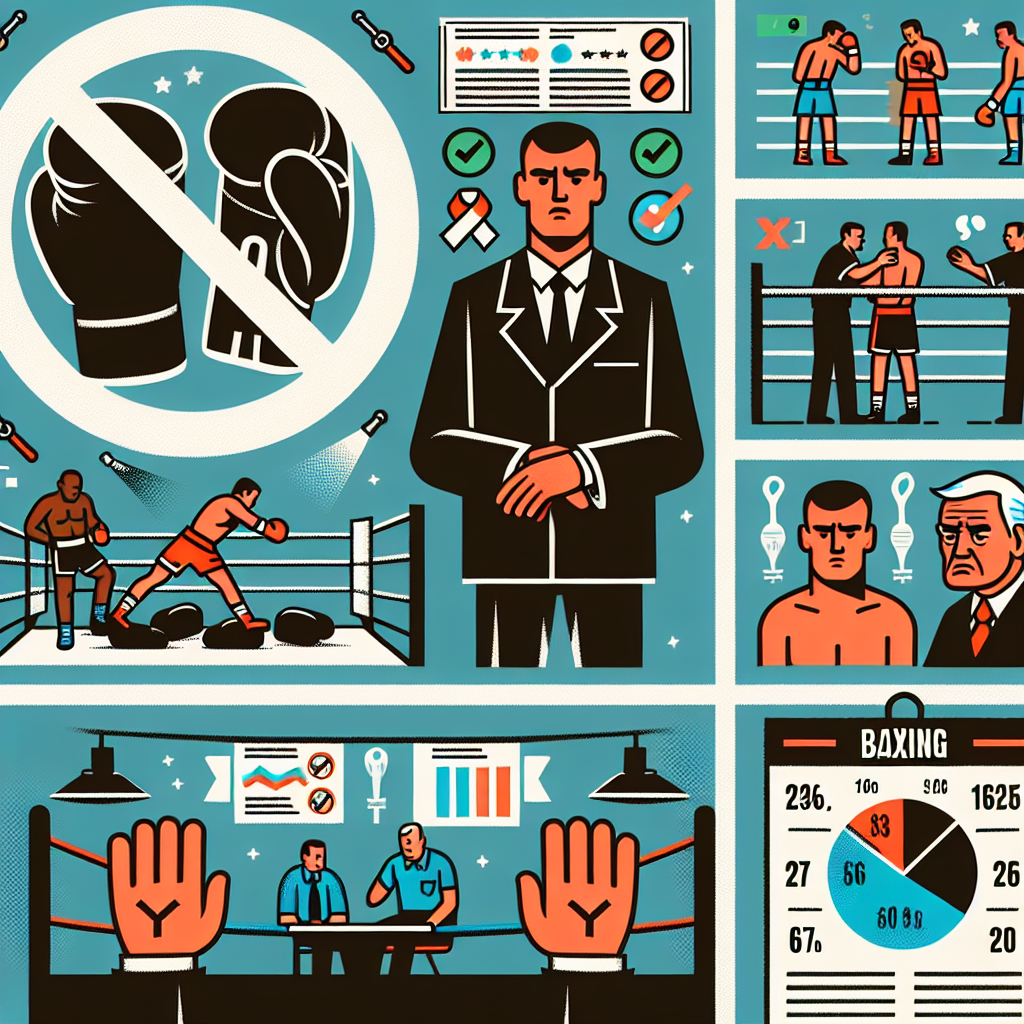
Boxing poses significant health risks to its participants, leading to long-term consequences that are difficult to ignore.

- Brain Injuries: Repeated head trauma can lead to chronic traumatic encephalopathy (CTE), a degenerative brain condition.
- Physical Harm: Boxers often suffer from broken bones, concussions, and other serious injuries.
- Mental Health Issues: The sport can contribute to depression, anxiety, and other mental health challenges.
Ethical Considerations
The ethical implications of boxing raise questions about the morality of allowing such a dangerous sport to continue.

- Consent and Coercion: While boxers consent to fight, the pressures of financial gain and fame can cloud judgment.
- Exploitation: Critics argue that the sport exploits athletes, particularly those from disadvantaged backgrounds.
Alternatives and Solutions
Proponents of a ban suggest exploring safer alternatives and implementing stricter regulations to protect athletes.
- Safer Sports: Encourage participation in less dangerous sports that offer similar benefits.
- Regulatory Measures: Implement stricter safety protocols and medical checks to minimize risks.
Conclusion
The debate over banning boxing centers on balancing tradition with the responsibility to protect athletes. While the sport has deep cultural roots, the mounting evidence of its dangers presents a compelling case for reevaluation. Ultimately, the decision hinges on prioritizing health and ethical standards over entertainment.