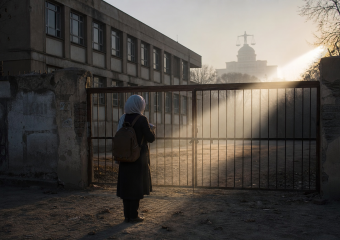
Syria’s Path Forward: Reconstructing a Nation Post al-Assad
Syria’s Path Forward: Reconstructing a Nation Post al-Assad
Introduction
As Syria emerges from years of conflict under the regime of Bashar al-Assad, the nation faces the daunting task of reconstruction. This process involves not only rebuilding infrastructure but also addressing deep-seated political, social, and economic challenges. The path forward for Syria is complex, requiring coordinated efforts from both domestic and international stakeholders.

Key Challenges in Reconstruction
- Infrastructure Damage: Years of conflict have left Syria’s infrastructure in ruins, necessitating extensive rebuilding efforts.
- Political Stability: Establishing a stable and inclusive political environment is crucial for long-term peace.
- Economic Recovery: Reviving the economy is essential to provide livelihoods and reduce poverty.
- Social Cohesion: Healing societal divisions and fostering unity among diverse ethnic and religious groups is vital.
International Involvement
The international community plays a pivotal role in Syria’s reconstruction. Various countries and organizations are expected to contribute through financial aid, technical expertise, and diplomatic support. However, geopolitical interests and regional dynamics may influence the extent and nature of this involvement.

Domestic Efforts and Reforms
Internally, Syria must undertake significant reforms to ensure effective governance and the rule of law. This includes:

- Constitutional Reforms: Implementing changes to create a more democratic and representative political system.
- Anti-Corruption Measures: Establishing mechanisms to combat corruption and promote transparency.
- Human Rights Protections: Ensuring the protection of human rights and freedoms for all citizens.
Potential Pathways to Success
For Syria to successfully navigate its post-conflict reconstruction, several pathways can be pursued:
- Inclusive Dialogue: Engaging all stakeholders in dialogue to build consensus and foster reconciliation.
- Decentralization: Empowering local governments to address regional needs and promote development.
- Investment in Education: Prioritizing education to equip the population with skills for future growth.
Conclusion
Syria’s journey towards reconstruction post al-Assad is fraught with challenges but also opportunities for renewal. By addressing key issues such as infrastructure, political stability, and social cohesion, and with the support of the international community, Syria can pave the way for a more prosperous and peaceful future. The success of this endeavor will depend on the collective efforts of both domestic and international actors committed to rebuilding a resilient nation.