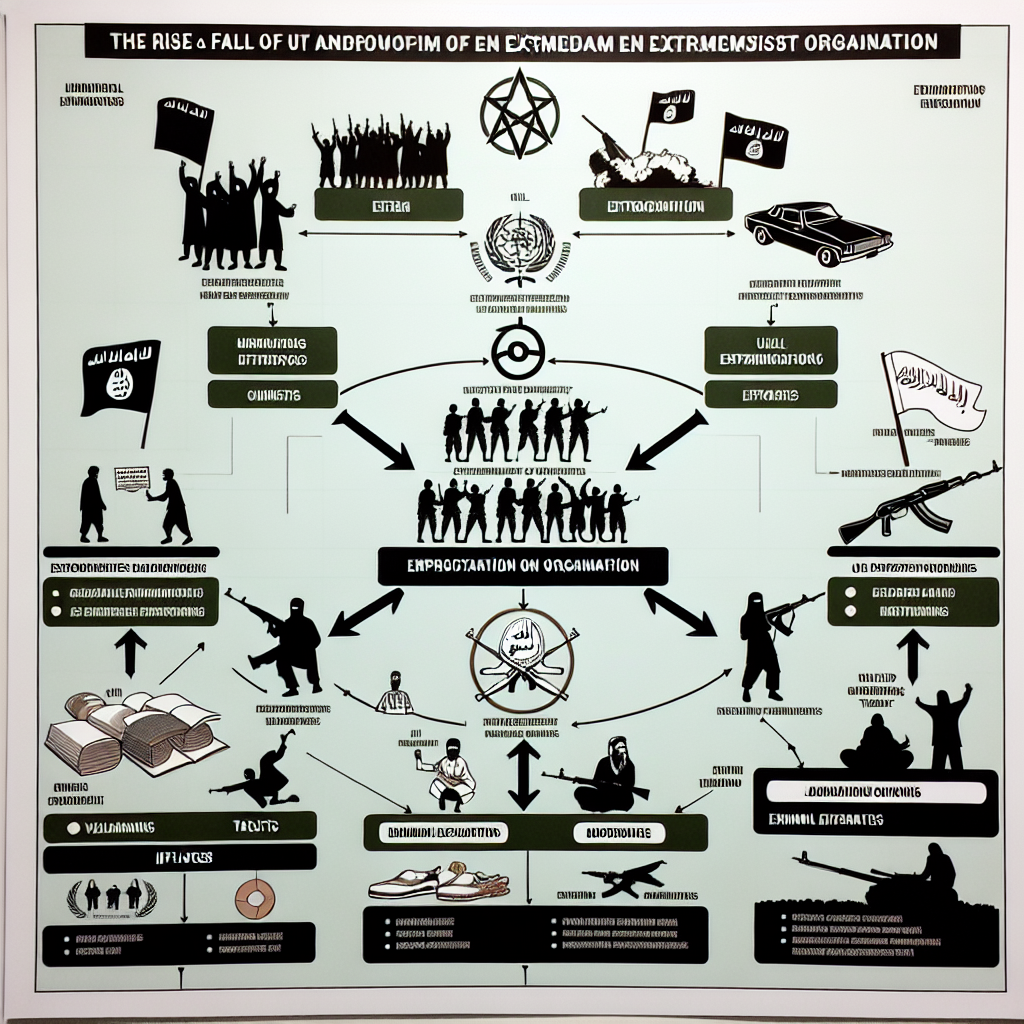
Understanding the Islamic State and Its Influenced Attacks
Understanding the Islamic State and Its Influenced Attacks
Introduction to the Islamic State
The Islamic State (IS), also known as ISIS or ISIL, emerged as a formidable extremist group, gaining global notoriety for its violent tactics and radical ideology. Originating from the remnants of al-Qaeda in Iraq, IS declared a caliphate in 2014, aiming to establish a state governed by strict Islamic law.

Key Characteristics of the Islamic State
- Ideology: IS adheres to a radical interpretation of Sunni Islam, seeking to establish a global caliphate.
- Territorial Ambitions: At its peak, IS controlled significant territories in Iraq and Syria.
- Propaganda and Recruitment: Utilizes sophisticated online propaganda to recruit followers worldwide.
- Funding: Financed through oil smuggling, extortion, and looting.
Global Impact and Influenced Attacks
IS has inspired numerous attacks beyond its territorial strongholds, affecting global security and politics. These attacks are often carried out by individuals or small groups influenced by IS ideology, rather than direct operatives.

Notable Influenced Attacks
- Paris Attacks (2015): Coordinated attacks in Paris, resulting in 130 deaths, highlighted IS’s reach in Europe.
- Orlando Nightclub Shooting (2016): A lone gunman pledged allegiance to IS, killing 49 people in Florida.
- Manchester Arena Bombing (2017): A suicide bomber targeted a concert, killing 22 and injuring hundreds.
Countermeasures and Challenges
Efforts to combat IS and its influence involve military, intelligence, and diplomatic strategies. However, challenges persist due to the group’s decentralized nature and ability to inspire lone-wolf attacks.

- Military Operations: Coalition forces have significantly reduced IS’s territorial control.
- Intelligence Sharing: International cooperation is crucial for tracking and preventing attacks.
- Counter-Radicalization: Programs aim to prevent radicalization and rehabilitate former extremists.
Conclusion
The Islamic State remains a significant threat despite losing much of its territory. Its ability to inspire global attacks underscores the need for continued vigilance and international cooperation. Understanding IS’s ideology, tactics, and influence is crucial for developing effective countermeasures and ensuring global security.