At Least 52 Killed in Gaza Following Israeli Airstrikes Since Dawn
At Least 52 Killed in Gaza Following Israeli Airstrikes Since Dawn
Overview of the Incident
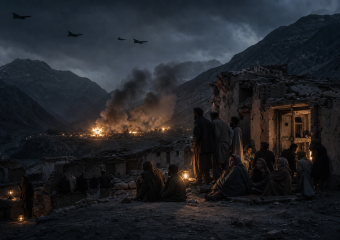
In a tragic escalation of violence, at least 52 individuals have been reported dead in Gaza following a series of Israeli airstrikes that began at dawn. The strikes are part of ongoing tensions between Israel and Palestinian groups, marking a significant increase in hostilities.

Key Details of the Airstrikes
- Time of Occurrence: The airstrikes commenced at dawn, targeting various locations across Gaza.
- Casualties: At least 52 people have been confirmed dead, with many others injured.
- Targeted Areas: The strikes hit multiple sites, including residential areas and suspected militant positions.
Responses and Reactions
The airstrikes have drawn widespread international attention and concern, with calls for restraint and dialogue from various global leaders and organizations.

- International Reactions: Several countries and international bodies have condemned the violence and urged both sides to de-escalate.
- Local Impact: The strikes have exacerbated the humanitarian situation in Gaza, with significant damage to infrastructure and displacement of residents.
Background and Context
This latest round of violence is part of a long-standing conflict between Israel and Palestinian groups, with periodic escalations leading to significant casualties and destruction.

- Historical Tensions: The conflict has deep historical roots, with both sides claiming rights to land and sovereignty.
- Recent Developments: The airstrikes follow recent incidents of violence and provocations from both sides, contributing to the current escalation.
Conclusion
The recent Israeli airstrikes in Gaza have resulted in significant loss of life and heightened tensions in the region. As the international community calls for peace and dialogue, the situation remains volatile, with the potential for further escalation. The humanitarian impact on Gaza’s population is severe, underscoring the urgent need for a sustainable resolution to the conflict.