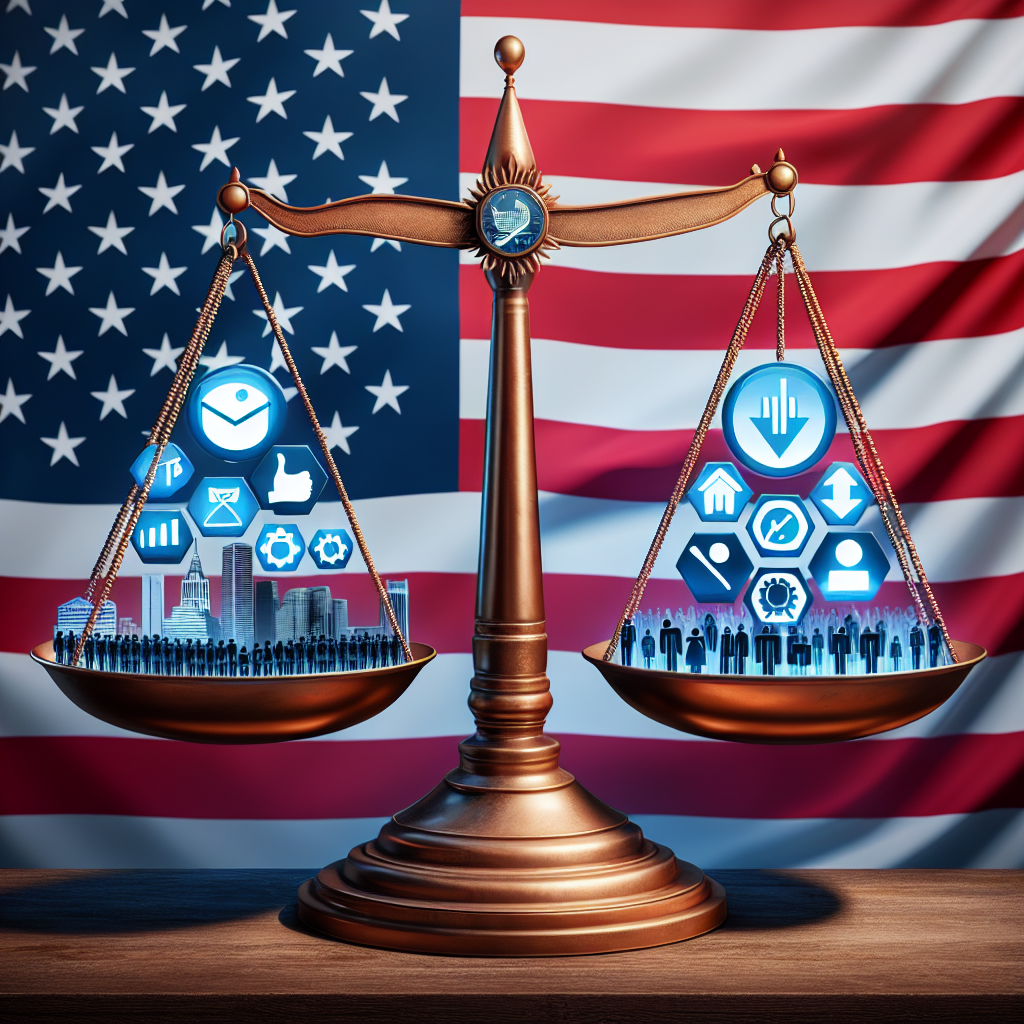
Uniting Extremes: The H-1B Visa Debate in America
Uniting Extremes: The H-1B Visa Debate in America
Introduction
The H-1B visa program, a cornerstone of U.S. immigration policy, has long been a subject of intense debate. This program, designed to allow U.S. companies to employ foreign workers in specialty occupations, has sparked discussions that unite extremes across the political spectrum.

Key Issues in the Debate
- Economic Impact: Proponents argue that H-1B visas fill critical skill gaps and drive innovation, while opponents claim they suppress wages and displace American workers.
- Regulatory Challenges: The complexity and perceived loopholes in the H-1B system have led to calls for reform from both sides of the aisle.
- National Security Concerns: Some critics highlight potential risks associated with foreign workers in sensitive industries.
Perspectives from Different Stakeholders
Various stakeholders have voiced their opinions on the H-1B visa program:

- Tech Industry Leaders: Advocate for expanding the program to maintain global competitiveness.
- Labor Unions: Demand stricter regulations to protect domestic workers.
- Policy Makers: Struggle to balance economic benefits with national security and labor market concerns.
Recent Developments
Recent policy changes and proposals have further fueled the debate:

- Efforts to increase the annual cap on H-1B visas.
- Proposals for stricter eligibility criteria and increased oversight.
- Discussions on prioritizing visas for higher-wage positions.
Conclusion
The H-1B visa debate encapsulates a complex intersection of economic, social, and political issues. While the program is seen as vital for maintaining the U.S.’s competitive edge, it also raises significant concerns about labor market dynamics and national security. As discussions continue, finding a balanced approach that addresses these diverse concerns remains a critical challenge for policymakers.