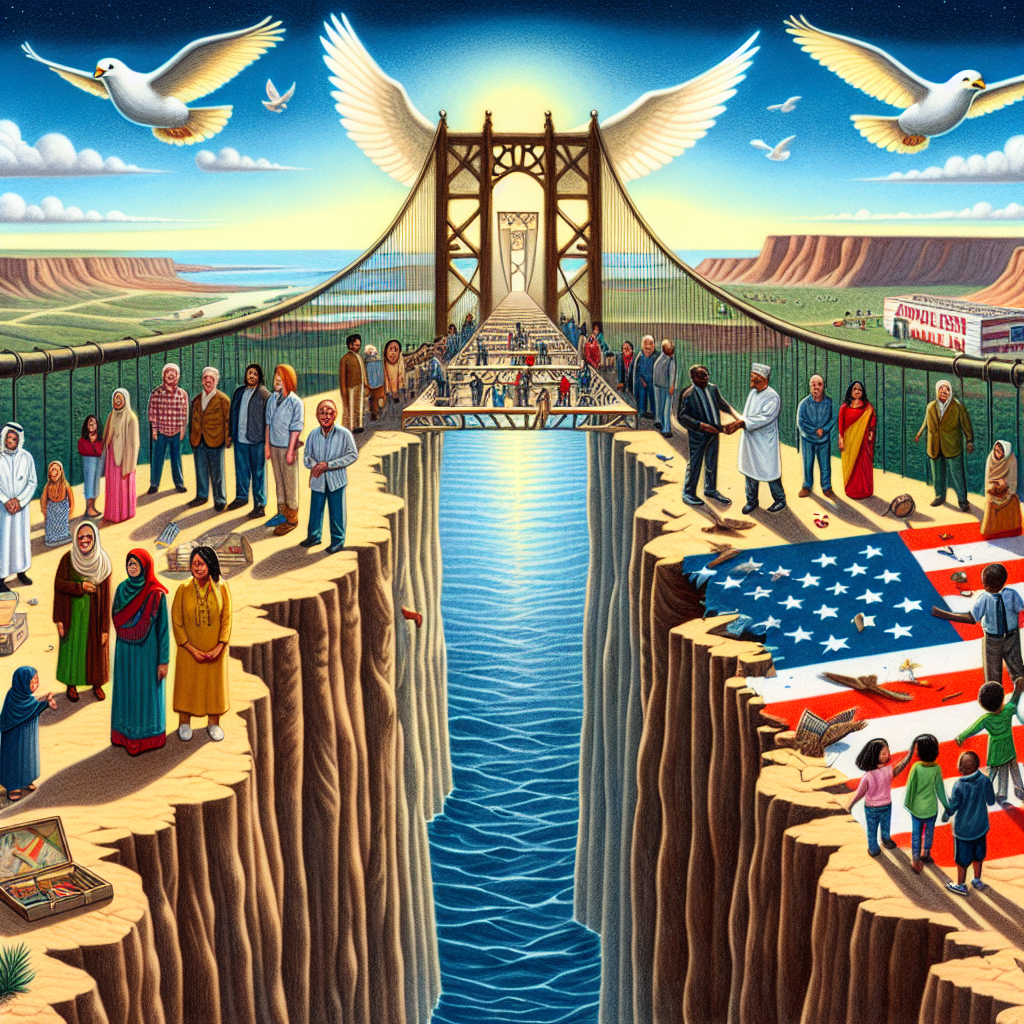
How the H-1B Visa Debate is Bridging Political Divides in America
How the H-1B Visa Debate is Bridging Political Divides in America
Introduction
The H-1B visa program, a longstanding point of contention in American politics, is now emerging as a surprising bridge across political divides. This shift is fostering unexpected alliances and prompting a reevaluation of immigration policies.

Key Drivers of the Debate
- Economic Impact: The H-1B visa is crucial for filling skill gaps in the tech industry, which is a significant driver of the U.S. economy.
- Workforce Diversity: Advocates argue that the program enhances diversity and innovation within American companies.
- Job Competition: Critics express concerns about job displacement for American workers and potential wage suppression.
Political Convergence
Despite traditional partisan divides, the H-1B visa debate is fostering collaboration between unlikely political allies:

- Business Interests: Both parties recognize the importance of maintaining a competitive edge in the global market.
- Immigration Reform: There is a shared interest in creating a more efficient and fair immigration system.
- Tech Industry Influence: The tech sector’s lobbying efforts are influencing bipartisan support for H-1B reforms.
Challenges and Opportunities
While the debate is bridging divides, several challenges and opportunities remain:

- Policy Reforms: Crafting policies that balance economic needs with job protection for American workers is crucial.
- Public Perception: Addressing misconceptions about the H-1B program can help garner broader public support.
- Long-term Solutions: Developing sustainable immigration policies that adapt to changing economic landscapes is essential.
Conclusion
The H-1B visa debate is uniquely positioned to bridge political divides in America by aligning economic interests, promoting workforce diversity, and encouraging bipartisan collaboration. As discussions continue, the focus remains on crafting policies that balance the needs of the economy with the protection of American jobs, offering a rare opportunity for unity in an often polarized political landscape.