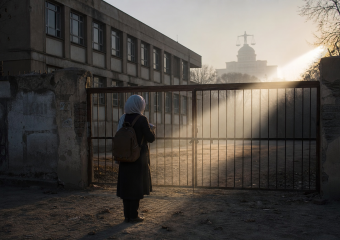
Prospects for Turkiye in a Post-Assad Syrian Landscape
Prospects for Turkiye in a Post-Assad Syrian Landscape
Introduction
As the Syrian conflict evolves, the potential for a post-Assad era presents both challenges and opportunities for Turkiye. This summary explores the strategic, political, and economic implications for Turkiye in a changing Syrian landscape.

Strategic Considerations
Turkiye’s strategic interests in Syria are multifaceted, focusing on security, regional influence, and humanitarian concerns.

- Security Concerns: The threat of terrorism and the presence of Kurdish groups near its border remain top priorities for Turkiye.
- Regional Influence: Turkiye aims to assert its influence in shaping Syria’s future political landscape.
- Humanitarian Efforts: Managing the refugee crisis and ensuring safe repatriation are critical for Turkiye.
Political Dynamics
The political landscape in Syria post-Assad could redefine Turkiye’s diplomatic relations and alliances.

- Diplomatic Engagements: Turkiye may need to navigate complex relationships with global powers involved in Syria.
- Alliance Building: Strengthening ties with regional actors could be pivotal for Turkiye’s strategic goals.
Economic Opportunities
Reconstruction efforts in Syria could open new economic avenues for Turkiye.
- Reconstruction Projects: Turkiye could play a significant role in rebuilding Syria’s infrastructure.
- Trade Relations: Reviving trade routes and economic ties with a stable Syria could benefit Turkiye’s economy.
Conclusion
In a post-Assad Syrian landscape, Turkiye faces a complex array of challenges and opportunities. By balancing security concerns, diplomatic engagements, and economic interests, Turkiye can potentially enhance its regional influence and contribute to a stable and prosperous future for Syria.