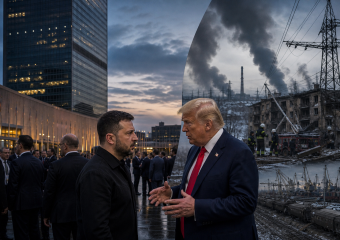
Trump Accuses Biden of Responsibility for Ukraine Conflict
Trump Accuses Biden of Responsibility for Ukraine Conflict
Overview of the Accusation
Former President Donald Trump has publicly accused President Joe Biden of being responsible for the ongoing conflict in Ukraine. Trump claims that Biden’s foreign policy decisions have exacerbated tensions, leading to the current crisis.

Key Points of Trump’s Argument
- Weak Leadership: Trump argues that Biden’s perceived lack of strong leadership has emboldened adversaries, including Russia.
- Policy Decisions: He criticizes specific policy choices, such as the withdrawal from Afghanistan, suggesting they have undermined U.S. credibility.
- Energy Dependence: Trump highlights Biden’s energy policies, claiming they have increased European reliance on Russian energy, complicating diplomatic efforts.
Reactions and Counterarguments
The accusation has sparked a range of reactions from political figures and analysts:

- Democratic Response: Democrats have dismissed Trump’s claims, arguing that the conflict’s roots are complex and not solely attributable to U.S. policy.
- Expert Opinions: Some foreign policy experts suggest that while U.S. actions play a role, the conflict is primarily driven by regional dynamics and Russian ambitions.
Implications for U.S. Politics
Trump’s statements have potential implications for the political landscape:

- 2024 Elections: The accusation may influence voter perceptions and become a talking point in the upcoming presidential election.
- Partisan Divide: The issue further highlights the deepening partisan divide over foreign policy and national security.
Conclusion
In summary, Trump’s accusation against Biden regarding the Ukraine conflict underscores ongoing political tensions and differing perspectives on U.S. foreign policy. While the claims have sparked debate, the complexity of the situation suggests that multiple factors contribute to the crisis. As the political discourse continues, the implications for future U.S. policy and international relations remain significant.