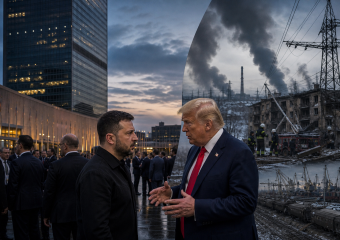
EU Addresses Trump’s Proposal to Acquire Greenland
EU Addresses Trump’s Proposal to Acquire Greenland
Background
In a surprising geopolitical move, former U.S. President Donald Trump proposed the acquisition of Greenland, an autonomous territory of Denmark. This proposal sparked widespread discussion and raised questions about international relations and territorial sovereignty.

EU’s Stance
The European Union (EU) has responded to Trump’s proposal with a firm stance, emphasizing the importance of respecting the sovereignty of its member states and their territories.

- The EU reiterated its commitment to international law and the principles of territorial integrity.
- Officials highlighted the strategic importance of Greenland within the Arctic region.
- The EU expressed solidarity with Denmark, affirming its support for the Danish government’s position.
Reactions from Denmark and Greenland
Denmark and Greenland have both reacted strongly to the proposal, underscoring their autonomy and decision-making rights.

- Danish Prime Minister Mette Frederiksen called the idea “absurd” and emphasized Greenland’s autonomy.
- Greenland’s government stated that the island is not for sale and highlighted its strategic and economic significance.
Implications for International Relations
The proposal has broader implications for international relations, particularly in the Arctic region, which is becoming increasingly significant due to climate change and resource exploration.
- The move has prompted discussions about the geopolitical interests in the Arctic.
- It has also raised concerns about the potential for increased tensions between the U.S. and EU member states.
Conclusion
The EU’s response to Trump’s proposal to acquire Greenland underscores the importance of respecting territorial sovereignty and international law. The situation highlights the strategic significance of the Arctic region and the complexities of international diplomacy. As global interest in the Arctic continues to grow, maintaining cooperative and respectful international relations remains crucial.