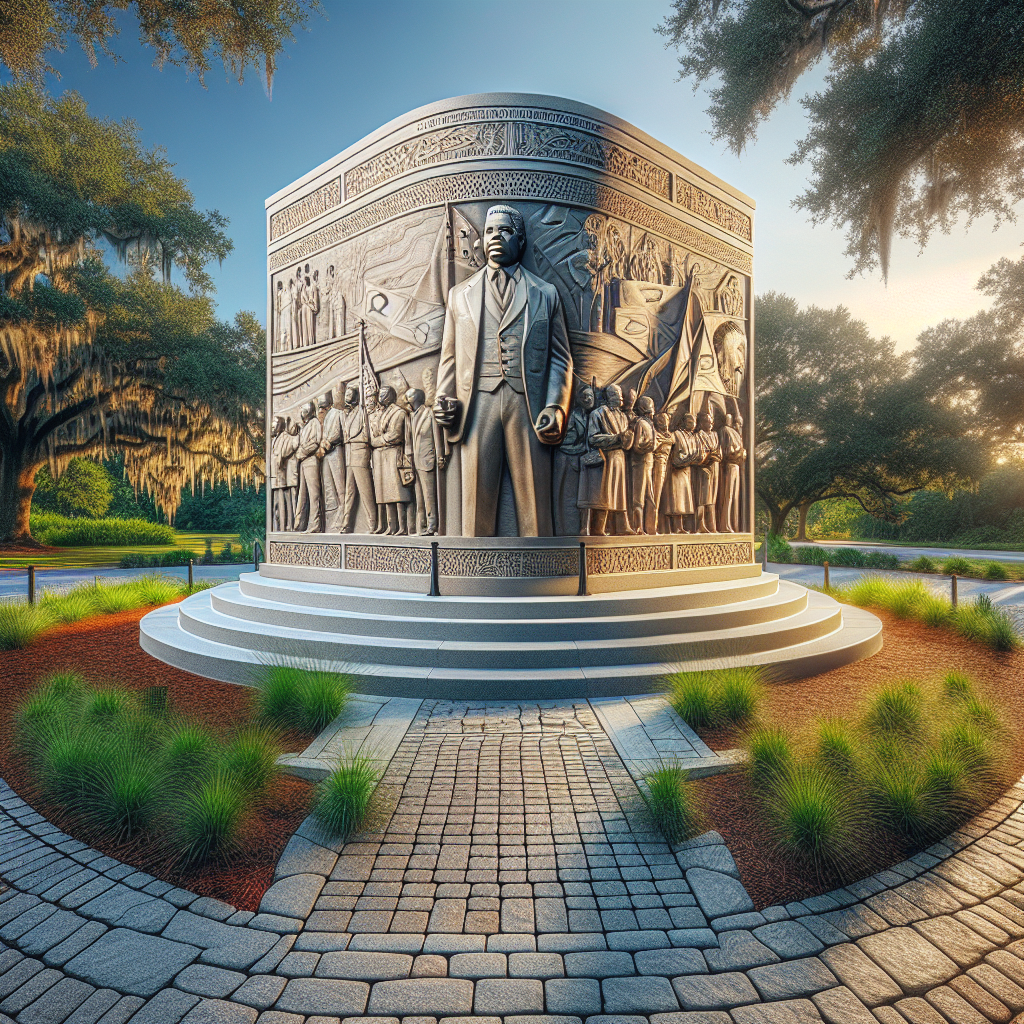
South Carolina Monument to Black Hero Robert Smalls Faces Segregationist Legacy
South Carolina Monument to Black Hero Robert Smalls Faces Segregationist Legacy
Introduction
The state of South Carolina is grappling with its historical legacy as it plans to honor Robert Smalls, a Black hero of the Civil War era, with a monument. This initiative is set against the backdrop of a complex and often painful history of segregation and racial discrimination.

Who Was Robert Smalls?
Robert Smalls was a remarkable figure in American history, known for his daring escape from slavery and subsequent contributions to the Union during the Civil War. His legacy includes:

- Escaping slavery by commandeering a Confederate ship to freedom.
- Serving as a Union naval captain and later as a U.S. Congressman.
- Advocating for African American rights and education.
The Monument Initiative
The proposed monument aims to celebrate Smalls’ achievements and contributions. However, it also brings to light the enduring legacy of segregation in South Carolina, raising questions about how history is remembered and honored.

Challenges and Controversies
The initiative faces several challenges, including:
- Addressing the state’s segregationist past and its impact on current racial dynamics.
- Ensuring the monument accurately reflects Smalls’ legacy and the broader context of African American history.
- Navigating political and social tensions surrounding historical monuments and their significance.
Community and Historical Impact
The monument is seen as a step towards acknowledging and rectifying historical injustices. It has the potential to:
- Educate the public about Robert Smalls and his contributions.
- Foster dialogue about race, history, and reconciliation in South Carolina.
- Serve as a symbol of progress and hope for future generations.
Conclusion
The effort to honor Robert Smalls with a monument in South Carolina is a significant move towards recognizing the contributions of African Americans in history. While it faces challenges due to the state’s segregationist legacy, it also offers an opportunity for education and reconciliation. The monument could become a powerful symbol of progress, reflecting a more inclusive narrative of American history.