Breathtaking Photos of Mercury’s Terrain Taken by ESA Spacecraft
Breathtaking Photos of Mercury’s Terrain Taken by ESA Spacecraft
Introduction to the Mission
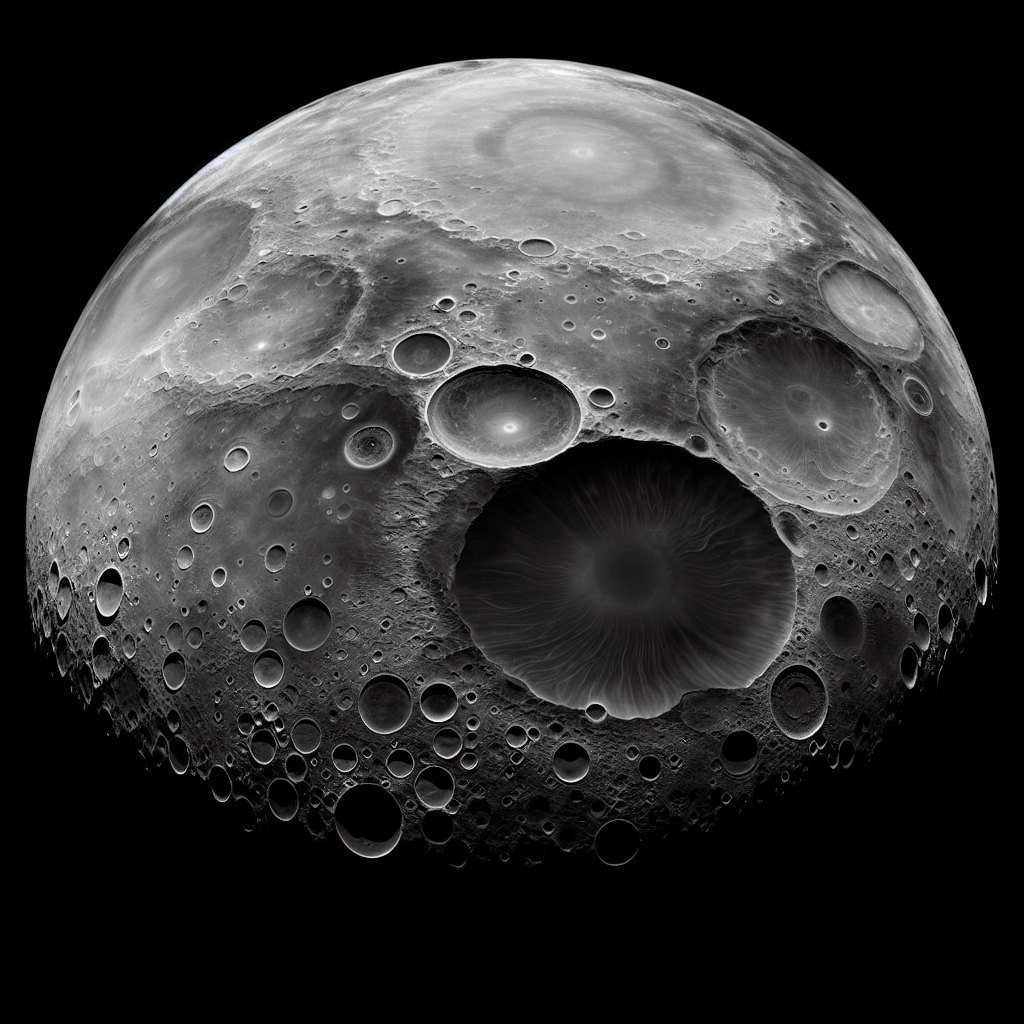
The European Space Agency (ESA) has unveiled a series of stunning images capturing the intricate details of Mercury’s surface. These photos were taken by the BepiColombo spacecraft, a joint mission between ESA and the Japan Aerospace Exploration Agency (JAXA), aimed at exploring the innermost planet of our solar system.

Key Highlights of the Images
- Detailed Crater Views: The images reveal Mercury’s heavily cratered surface, offering insights into its geological history.
- Rugged Terrain: The photos showcase the planet’s rugged terrain, including steep cliffs and vast plains.
- Color Variations: Subtle color differences in the images provide clues about the composition and age of Mercury’s surface materials.
Scientific Insights
The images are not just visually stunning but also scientifically valuable. They help researchers understand:

- Planetary Formation: The data contributes to theories about how rocky planets form and evolve.
- Surface Composition: Analysis of the images aids in identifying the minerals present on Mercury’s surface.
- Impact History: The craters offer a record of the planet’s impact history, shedding light on the solar system’s early years.
Technological Achievements
The successful capture of these images marks a significant technological achievement for the BepiColombo mission. The spacecraft’s advanced imaging systems have proven capable of withstanding Mercury’s harsh environment, characterized by extreme temperatures and intense solar radiation.

Conclusion
The breathtaking photos of Mercury’s terrain taken by the ESA spacecraft provide a window into the planet’s mysterious and dynamic surface. These images not only captivate the imagination but also enhance our understanding of planetary science, offering valuable data that will inform future explorations of our solar system’s innermost planet.