Holding Israeli Soldiers Accountable: Challenging the Culture of Impunity
Holding Israeli Soldiers Accountable: Challenging the Culture of Impunity
Introduction
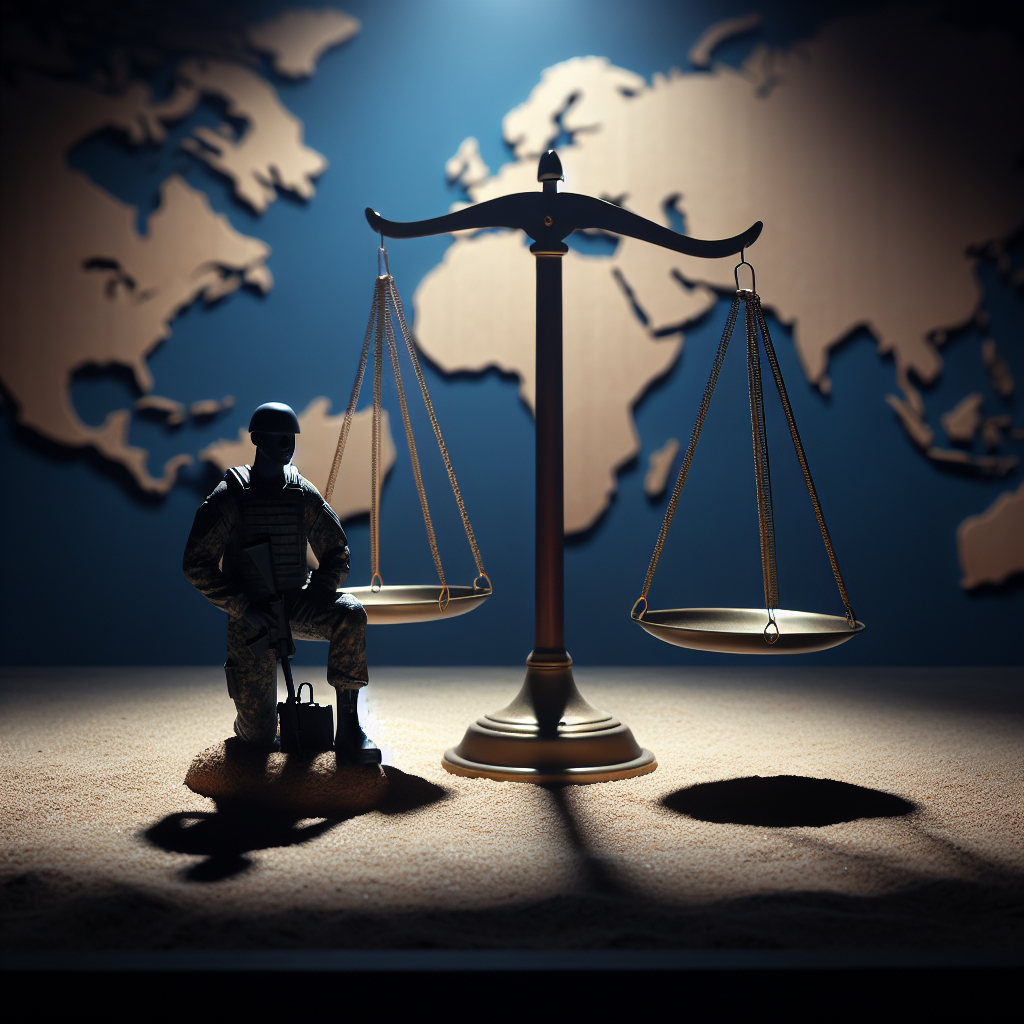
The issue of accountability for Israeli soldiers has been a contentious topic, with ongoing debates about the culture of impunity within the Israeli military. This news topic explores the challenges and efforts to hold soldiers accountable for their actions, particularly in conflict zones.

Background
Historically, there have been numerous allegations of misconduct by Israeli soldiers, often leading to international criticism. The perceived lack of accountability has fueled tensions and calls for reform.

Key Challenges
- Legal and Institutional Barriers: Existing legal frameworks and military protocols often hinder thorough investigations and prosecutions.
- Political Pressure: Domestic and international political dynamics can influence the handling of cases involving military personnel.
- Cultural Norms: A deeply ingrained culture within the military and society may resist changes to accountability practices.
Efforts to Address Impunity
Various stakeholders are working to challenge the status quo and promote accountability:

- Human Rights Organizations: Advocacy groups are actively documenting cases and pushing for transparency and justice.
- International Pressure: Global entities and foreign governments are urging Israel to adhere to international human rights standards.
- Legal Reforms: Proposals for legal reforms aim to strengthen mechanisms for investigating and prosecuting misconduct.
Impact and Implications
The push for accountability has significant implications for Israeli society and its international relations:
- Domestic Impact: Increased accountability could lead to shifts in military culture and public perception.
- International Relations: Improved accountability may enhance Israel’s standing in the global community and reduce tensions with neighboring regions.
Conclusion
The challenge of holding Israeli soldiers accountable is complex, involving legal, political, and cultural dimensions. While progress is being made through advocacy and international pressure, significant obstacles remain. Addressing these issues is crucial for fostering justice and improving Israel’s domestic and international relations.