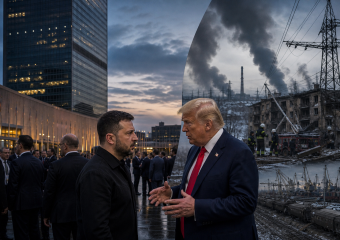
US Officials Detail Trump’s Strategy for Lifting Russia Sanctions – WaPo
US Officials Detail Trump’s Strategy for Lifting Russia Sanctions
Introduction
In a recent report by The Washington Post, US officials have outlined former President Donald Trump’s strategic approach towards lifting sanctions on Russia. This move, which has sparked significant debate, is seen as a pivotal aspect of Trump’s foreign policy during his tenure.

Key Elements of Trump’s Strategy
- Diplomatic Engagement: Trump aimed to engage directly with Russian leadership to negotiate terms that could lead to the easing of sanctions.
- Economic Incentives: The strategy included offering economic incentives to Russia in exchange for compliance with international norms and agreements.
- Security Concerns: Addressing mutual security concerns was a cornerstone of the strategy, with a focus on reducing tensions in conflict zones.
- International Collaboration: Trump sought to work with European allies to present a unified front in negotiations with Russia.
Challenges and Criticisms
The strategy faced several challenges and criticisms, both domestically and internationally:

- Political Opposition: Many US lawmakers opposed the lifting of sanctions, citing concerns over Russia’s actions in Ukraine and election interference.
- Allied Concerns: European allies expressed apprehension about the potential weakening of the sanctions regime.
- Implementation Hurdles: The complexity of international negotiations posed significant hurdles to the strategy’s implementation.
Conclusion
Trump’s strategy for lifting Russia sanctions was a multifaceted approach that aimed to balance diplomatic engagement with economic and security considerations. Despite facing substantial opposition and challenges, the strategy highlighted the complexities of international diplomacy and the intricate balance of global power dynamics.

In summary, the report sheds light on the intricacies of Trump’s foreign policy approach towards Russia, emphasizing the delicate interplay between diplomacy, economic interests, and security concerns.