Mozambique Inaugurates New Parliament Amidst Opposition Unrest and Boycotts

Mozambique Inaugurates New Parliament Amidst Opposition Unrest and Boycotts
Introduction
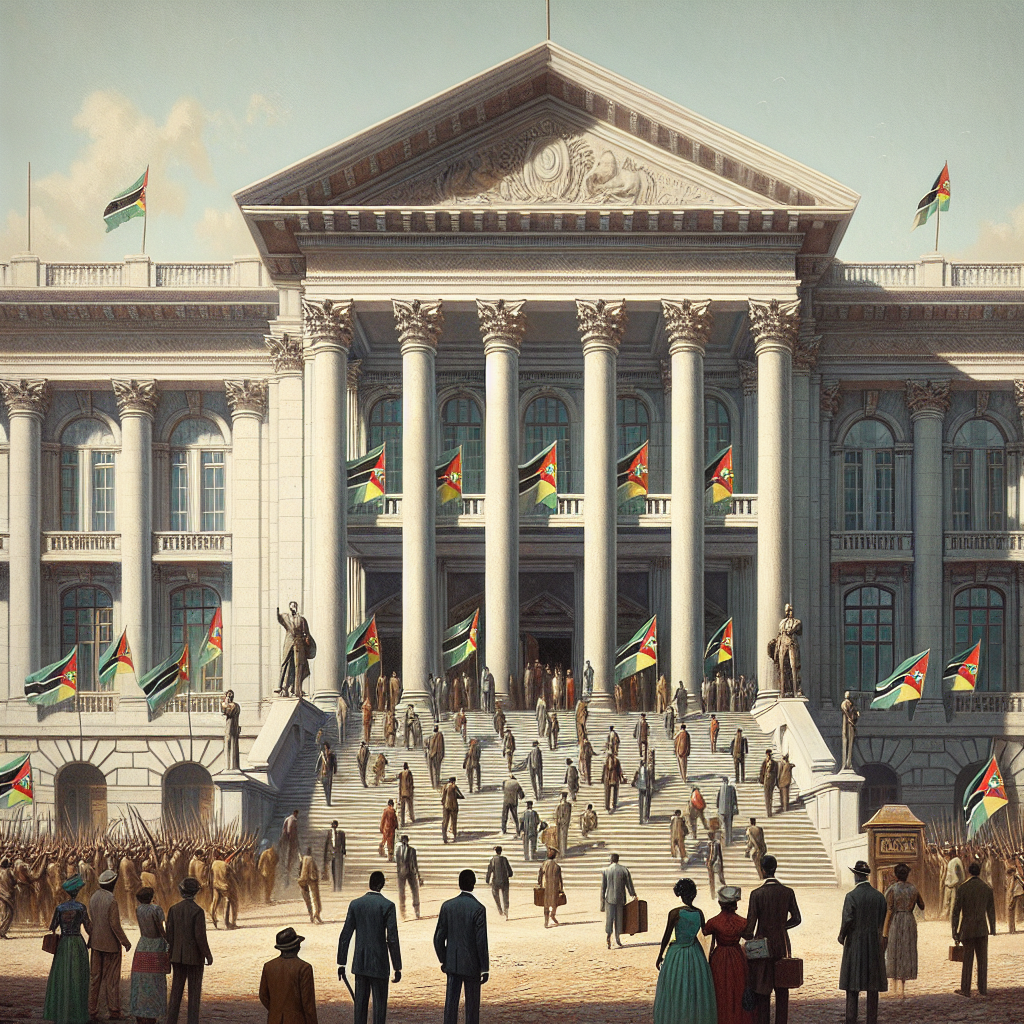
Mozambique has recently inaugurated its new parliament, a significant political event overshadowed by unrest and boycotts from opposition parties. This development marks a critical juncture in the nation’s political landscape, reflecting underlying tensions and challenges.

Key Events
- Parliament Inauguration: The new parliament was officially inaugurated, marking the beginning of a new legislative term.
- Opposition Boycotts: Several opposition parties chose to boycott the inauguration, citing concerns over electoral fairness and transparency.
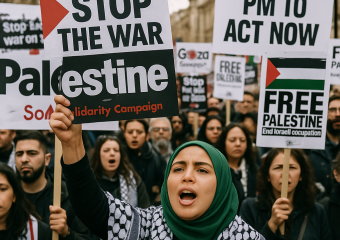
- Protests and Unrest: The inauguration was met with protests, highlighting the dissatisfaction among certain segments of the population.
Opposition Concerns
The opposition parties have raised several issues that led to their decision to boycott the inauguration:


- Electoral Integrity: Allegations of electoral fraud and manipulation have been a central concern.
- Lack of Dialogue: The opposition claims there has been insufficient dialogue with the ruling party to address their grievances.
- Political Repression: Reports of political repression and intimidation have further fueled opposition unrest.
Government’s Stance
The government has responded to the opposition’s actions and concerns with the following points:

- Commitment to Democracy: The government asserts its commitment to democratic principles and the rule of law.
- Call for Unity: Officials have called for national unity and cooperation to address the country’s challenges.
- Rejection of Allegations: The government has rejected allegations of electoral fraud, emphasizing the legitimacy of the election process.
Conclusion
The inauguration of Mozambique’s new parliament amidst opposition unrest and boycotts underscores the ongoing political tensions in the country. While the government emphasizes its commitment to democracy, the opposition’s concerns highlight significant challenges that need to be addressed to ensure political stability and unity. The situation calls for constructive dialogue and engagement between all political stakeholders to move forward.