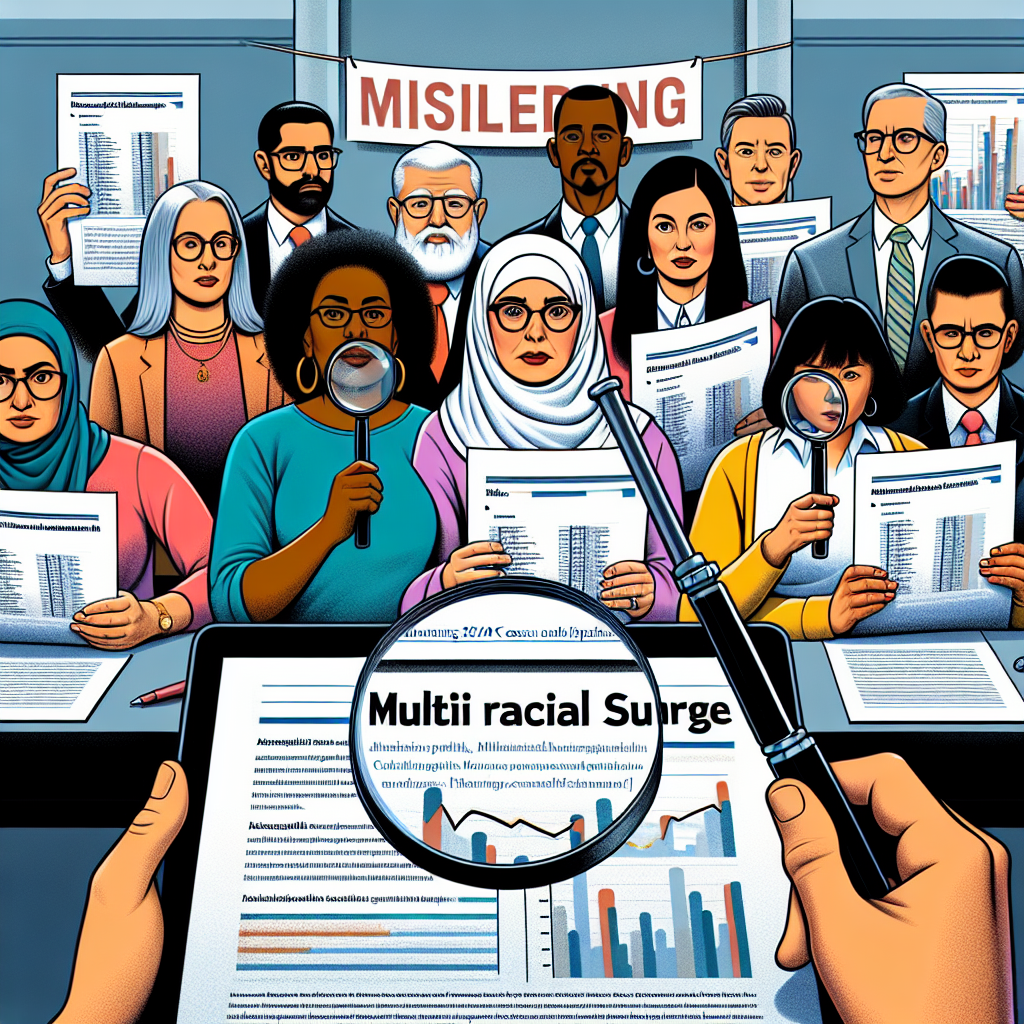
Researchers Claim 2020 Census Multiracial Surge Was Misleading
Researchers Challenge 2020 Census Multiracial Data
Introduction
Recent claims by researchers suggest that the reported surge in multiracial individuals in the 2020 U.S. Census may not accurately reflect demographic realities. This revelation has sparked discussions about the accuracy and implications of census data collection methods.

Key Findings
- Data Collection Methods: Researchers argue that changes in how racial data was collected and categorized may have inflated the number of people identifying as multiracial.
- Questionnaire Design: The 2020 Census introduced a new design for the race question, which allowed for more detailed responses and may have influenced how individuals reported their racial identity.
- Impact of Revisions: The revisions in data collection methods could have led to inconsistencies when compared to previous census data, complicating longitudinal studies and demographic analysis.
Implications
The potential misrepresentation of multiracial data has significant implications for policy-making, resource allocation, and understanding demographic trends. Accurate census data is crucial for:

- Informing government policies and programs
- Guiding business and community planning
- Ensuring fair political representation
Conclusion
The claims by researchers highlight the need for careful consideration of data collection methods in national censuses. While the 2020 Census aimed to provide a more nuanced understanding of racial identity, the potential for misleading data underscores the importance of transparency and accuracy in demographic reporting.

In summary, the debate over the 2020 Census multiracial surge emphasizes the complexities of capturing racial identity in a diverse society and the critical role of reliable data in shaping the future.