Could a Ceasefire Agreement Be Reached in Gaza Now?
Could a Ceasefire Agreement Be Reached in Gaza Now?
Current Situation in Gaza
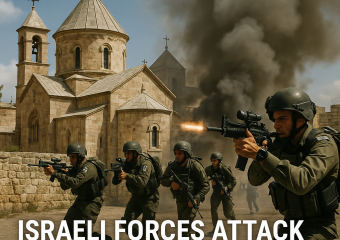
The ongoing conflict in Gaza has reached a critical point, with escalating violence causing significant humanitarian concerns. Both sides have suffered casualties, and the international community is increasingly calling for a resolution.

Key Players and Their Stances
- Israel: The Israeli government remains firm on its security concerns, demanding assurances against future attacks before considering a ceasefire.
- Hamas: The governing body in Gaza seeks an end to the blockade and improved living conditions for Palestinians as part of any ceasefire agreement.
- International Community: Various countries and organizations are pushing for immediate de-escalation and humanitarian aid access.
Challenges to Reaching a Ceasefire
Several obstacles hinder the path to a ceasefire:
Ads

- Mistrust: Deep-seated mistrust between the parties complicates negotiations.
- Political Pressures: Internal political dynamics in both Israel and Gaza influence leaders’ willingness to compromise.
- External Influences: Regional powers and international allies play a significant role in shaping the conflict’s trajectory.
Efforts Toward Peace
Despite challenges, diplomatic efforts are underway:
Ads

- Mediation: Countries like Egypt and Qatar are actively mediating between the parties.
- UN Involvement: The United Nations is advocating for a ceasefire and increased humanitarian aid.
- Grassroots Movements: Civil society groups are calling for peace and reconciliation.
Conclusion
The possibility of a ceasefire in Gaza hinges on overcoming significant political and logistical challenges. While international pressure and mediation efforts continue, the path to peace requires addressing the core issues fueling the conflict. A sustainable ceasefire will depend on mutual concessions and a commitment to long-term solutions.
Ads

Ads

Ads

Ads

Ads

Ads

Ads

Ads

Ads

Ads

Ads