
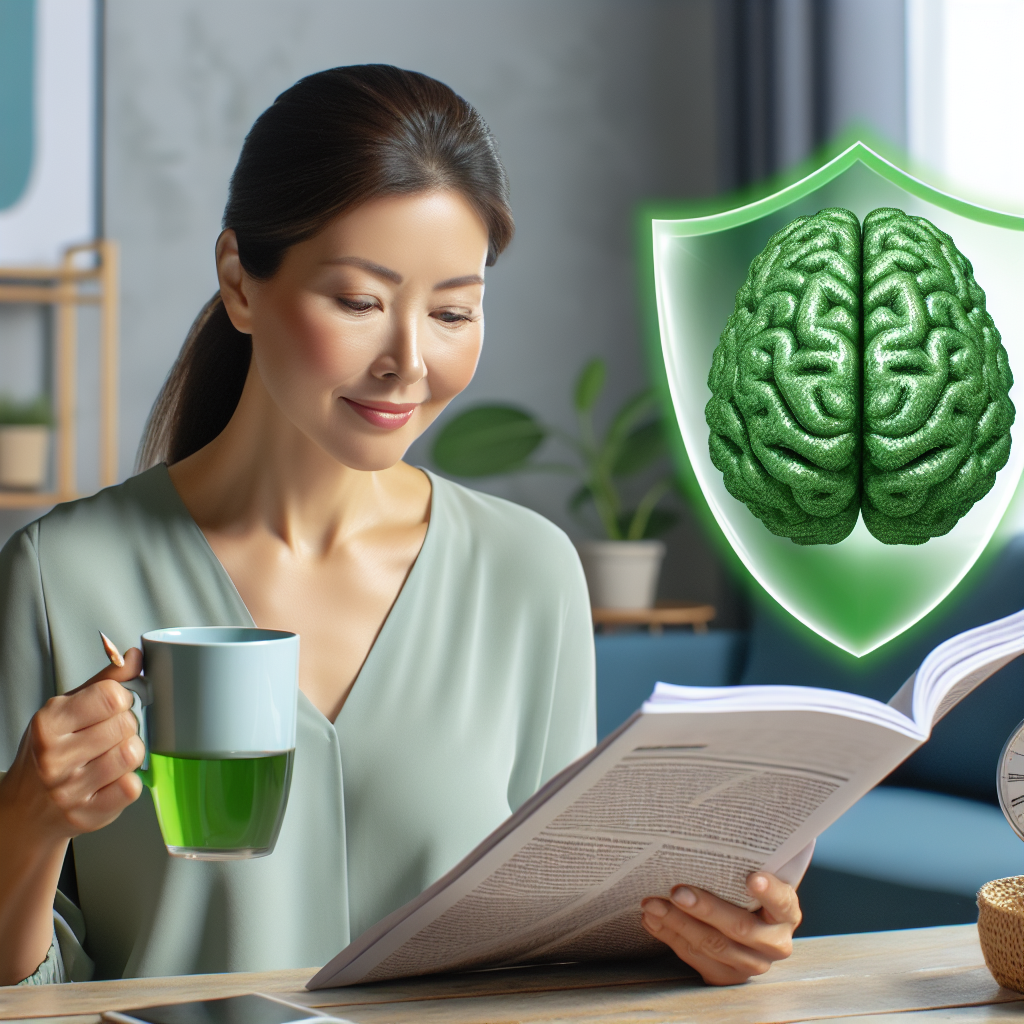
New Study Indicates Green Tea Could Shield Aging Brains
New Study Indicates Green Tea Could Shield Aging Brains
Introduction
A recent study has unveiled promising findings about the potential benefits of green tea in protecting the brain as it ages. This research adds to the growing body of evidence supporting the health advantages of this popular beverage.

Key Findings
- Neuroprotective Properties: The study highlights green tea’s ability to safeguard brain cells from age-related damage.
- Antioxidant Power: Rich in antioxidants, green tea helps combat oxidative stress, a key factor in cognitive decline.
- Improved Cognitive Function: Regular consumption of green tea is linked to enhanced memory and attention in older adults.
Mechanisms Behind the Benefits
Researchers attribute these benefits to several compounds found in green tea:

- Epigallocatechin Gallate (EGCG): A potent antioxidant that plays a crucial role in protecting neurons.
- L-Theanine: An amino acid that promotes relaxation and improves focus, potentially enhancing cognitive performance.
Implications for Aging Populations
The findings suggest that incorporating green tea into the diet could be a simple and effective strategy to support brain health in aging populations. This could have significant implications for reducing the risk of neurodegenerative diseases such as Alzheimer’s.

Conclusion
In summary, the study provides compelling evidence that green tea may offer protective benefits for the aging brain. With its rich antioxidant content and neuroprotective compounds, green tea emerges as a promising dietary addition for maintaining cognitive health in older adults.













