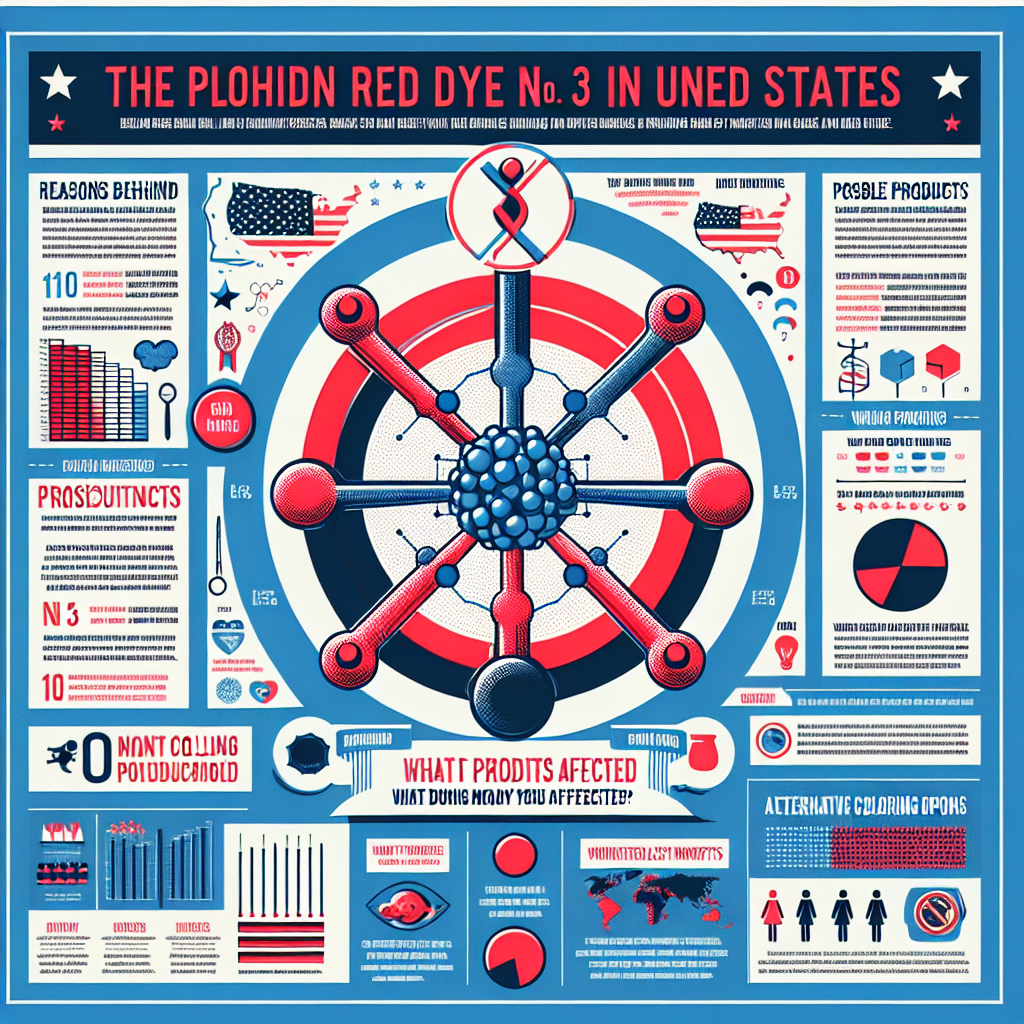
US Bans Red Dye No 3: Key Information You Need to Know
US Bans Red Dye No 3: Key Information You Need to Know
Introduction to the Ban
The United States has officially banned the use of Red Dye No 3, a synthetic food coloring agent, due to health concerns. This decision marks a significant shift in food safety regulations and impacts various industries reliant on this additive.

Reasons Behind the Ban
The ban on Red Dye No 3 stems from mounting evidence suggesting potential health risks associated with its consumption. Key concerns include:

- Links to cancer in animal studies
- Potential allergic reactions in sensitive individuals
- Increased scrutiny from health advocacy groups
Industries Affected
The prohibition of Red Dye No 3 will have widespread implications across multiple sectors, including:

- Food and Beverage: Used in candies, baked goods, and beverages
- Cosmetics: Commonly found in lipsticks and blushes
- Pharmaceuticals: Utilized in pill coatings and syrups
Alternatives to Red Dye No 3
With the ban in place, industries are exploring safer alternatives to Red Dye No 3. Some of the popular substitutes include:
- Natural colorants like beet juice and paprika extract
- Other synthetic dyes that meet safety standards
- Innovative plant-based color solutions
Consumer Impact
For consumers, the ban means a shift towards safer products. Key impacts include:
- Increased availability of naturally colored products
- Potential changes in product appearance and taste
- Heightened awareness of food additives and their effects
Conclusion
The US ban on Red Dye No 3 is a pivotal move towards enhancing consumer safety and promoting healthier alternatives. As industries adapt to this change, consumers can expect a gradual transition to products free from this controversial additive, fostering a safer and more informed marketplace.