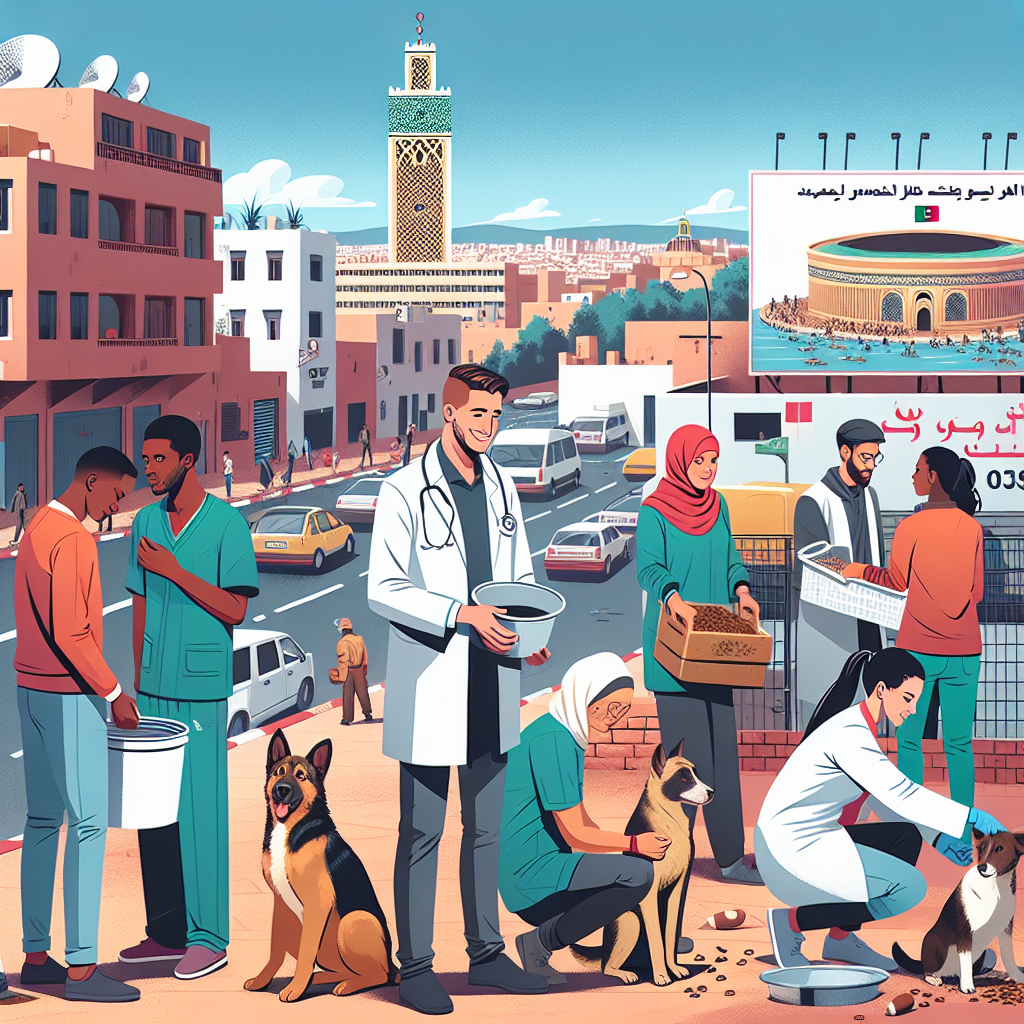
Morocco Plans to Reduce Stray Dog Population Before 2030 FIFA World Cup: Reasons Explained
Morocco’s Initiative to Address Stray Dog Population Ahead of 2030 FIFA World Cup
Introduction
As Morocco prepares to co-host the 2030 FIFA World Cup, the nation is taking proactive steps to manage its stray dog population. This initiative aims to enhance public safety, improve urban aesthetics, and ensure a positive experience for international visitors.

Reasons Behind the Initiative
- Public Safety: Stray dogs can pose risks to public safety, including potential attacks and the spread of diseases such as rabies.
- Urban Cleanliness: A reduction in stray dogs is expected to contribute to cleaner streets and public spaces, enhancing the overall urban environment.
- Tourism Appeal: With the influx of international visitors for the World Cup, Morocco aims to present a welcoming and well-maintained environment.
Strategies for Population Control
Morocco plans to implement a series of humane and effective strategies to manage the stray dog population:
Ads

- Spay and Neuter Programs: Expanding these programs to prevent the birth of new stray dogs.
- Vaccination Drives: Ensuring that existing stray dogs are vaccinated to prevent the spread of diseases.
- Community Involvement: Engaging local communities in awareness campaigns and responsible pet ownership initiatives.
Expected Outcomes
The initiative is expected to yield several positive outcomes:
Ads

- Enhanced public safety and reduced health risks.
- Improved urban aesthetics and cleanliness.
- A more favorable impression on international visitors during the World Cup.
Conclusion
Morocco’s plan to manage its stray dog population is a strategic move to ensure a safe, clean, and welcoming environment for the 2030 FIFA World Cup. By focusing on humane and sustainable methods, the country aims to address public safety concerns while enhancing its global image as a host nation.
Ads

Ads

Ads

Ads

Ads

Ads

Ads

Ads

Ads

Ads

Ads