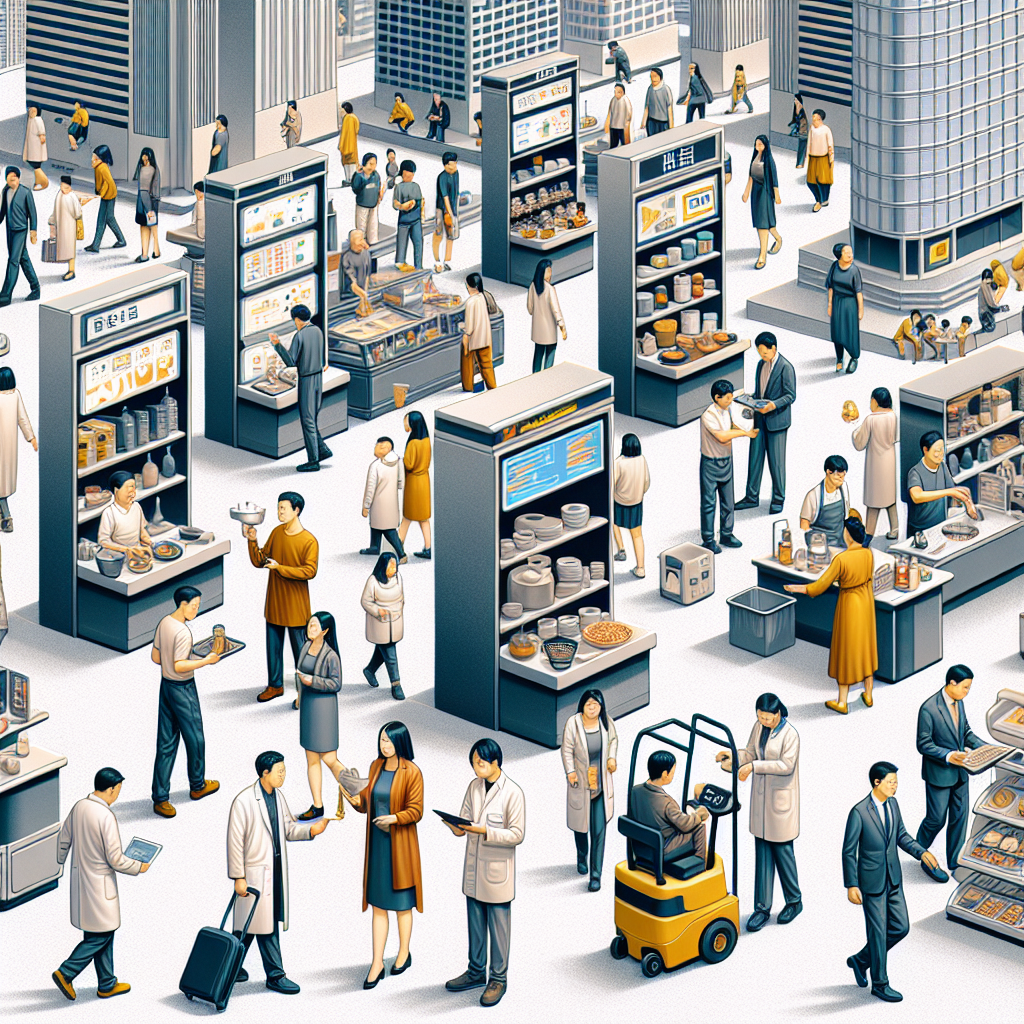
Exploring the Trend of Paying to Simulate Work in China
Exploring the Trend of Paying to Simulate Work in China
Introduction to the Phenomenon
In recent years, a unique trend has emerged in China where individuals are paying to simulate work environments. This phenomenon reflects broader societal and economic dynamics, offering insights into the evolving nature of work and leisure in the country.

Understanding the Concept
The concept involves individuals engaging in activities that mimic traditional office work, often in specially designed spaces. These activities are not tied to actual employment but serve various personal and social purposes.

- Work Simulation Spaces: Facilities that replicate office settings, complete with desks, computers, and other office paraphernalia.
- Activities Offered: Tasks such as typing, attending mock meetings, and other office-related activities.
- Target Audience: Primarily young professionals and students seeking a structured environment.
Reasons Behind the Trend
Several factors contribute to the popularity of this trend, reflecting both individual motivations and broader societal shifts.

- Desire for Structure: Many participants seek the discipline and routine that a simulated work environment provides.
- Social Interaction: These spaces offer opportunities for networking and socializing in a professional context.
- Escaping Home Pressures: For some, these environments provide a refuge from familial expectations and pressures.
Implications and Insights
This trend offers intriguing insights into the changing landscape of work and leisure in China, highlighting the blurred lines between professional and personal life.
- Work-Life Balance: The trend underscores the challenges of maintaining a healthy work-life balance in modern society.
- Economic Factors: It reflects economic pressures and the competitive job market faced by young professionals.
- Cultural Shifts: The phenomenon indicates a shift in cultural attitudes towards work and productivity.
Conclusion
The trend of paying to simulate work in China is a fascinating development that sheds light on contemporary societal dynamics. It highlights the desire for structure, social interaction, and escape from pressures, while also reflecting broader economic and cultural shifts. As this trend continues to evolve, it will be interesting to observe its impact on the future of work and leisure in China.