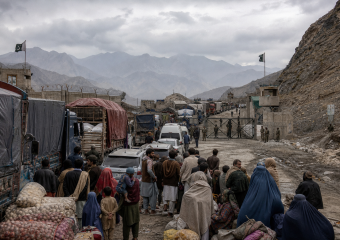
Video: Reasons Behind the Delay in Gaza Ceasefire Initiation
Video: Reasons Behind the Delay in Gaza Ceasefire Initiation
Introduction
The ongoing conflict in Gaza has seen numerous calls for a ceasefire, yet the initiation of such an agreement has faced significant delays. This summary explores the key reasons behind these delays, providing insights into the complex dynamics at play.

Political Complexities
Political factors play a crucial role in the delay of the ceasefire initiation. These include:

- Leadership Disagreements: Divergent views among leaders on both sides regarding the terms and conditions of the ceasefire.
- International Pressure: Varied international stances and pressures complicate reaching a consensus.
- Internal Politics: Internal political dynamics within the involved parties hinder swift decision-making.
Security Concerns
Security issues are a significant barrier to the ceasefire process:

- Trust Deficit: A lack of trust between the conflicting parties leads to hesitancy in agreeing to a ceasefire.
- Continued Hostilities: Ongoing hostilities and military actions make it challenging to establish a ceasefire.
- Fear of Retaliation: Concerns about potential retaliation post-ceasefire contribute to the delay.
Humanitarian Considerations
Humanitarian factors also influence the delay in ceasefire initiation:
- Civilian Safety: Ensuring the safety and security of civilians is a priority that complicates negotiations.
- Aid Access: Delays in securing access for humanitarian aid impact ceasefire discussions.
- Reconstruction Needs: The need for reconstruction and rehabilitation post-conflict adds layers to the negotiation process.
Conclusion
The delay in initiating a ceasefire in Gaza is a multifaceted issue influenced by political, security, and humanitarian factors. Understanding these complexities is crucial for comprehending the challenges in achieving peace in the region. The path to a ceasefire requires addressing these diverse concerns to pave the way for lasting peace.