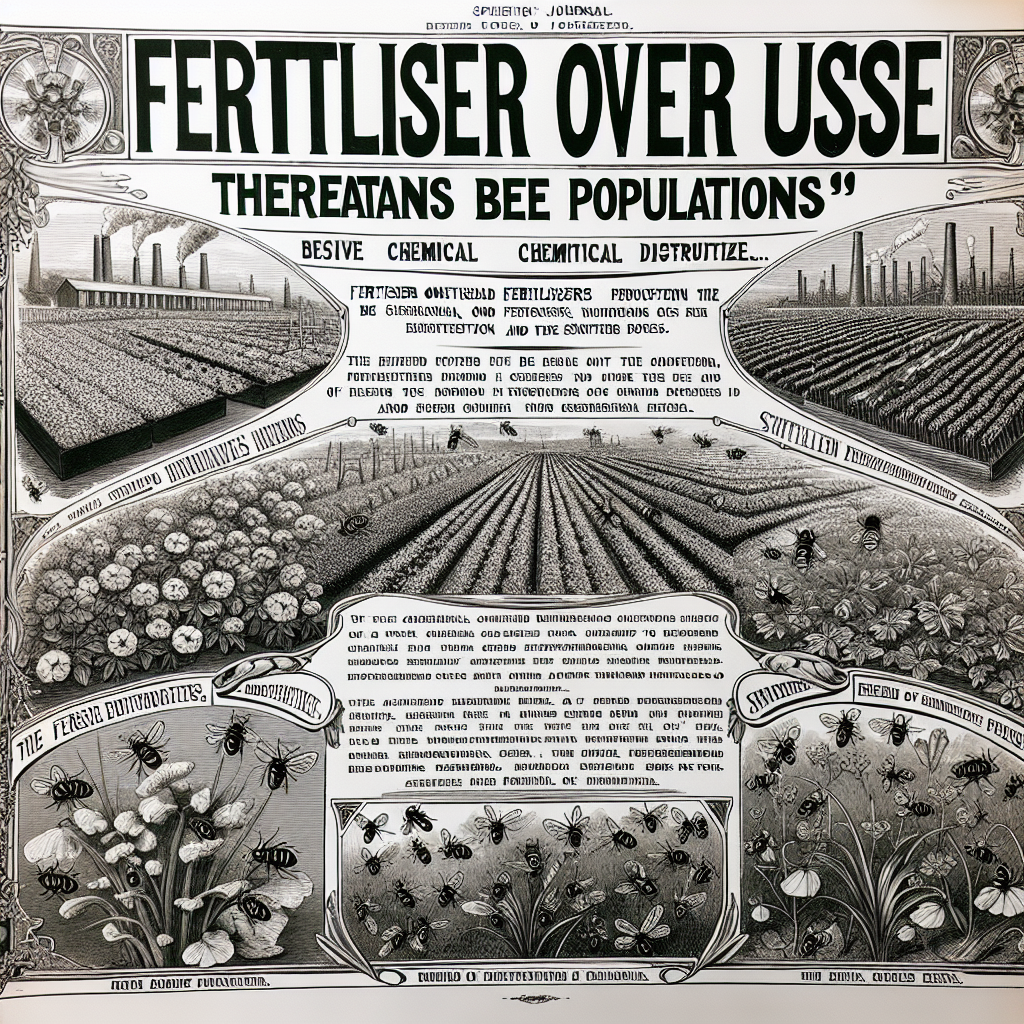
169-Year-Old Study Reveals Fertiliser Overuse Threatens Bee Populations
169-Year-Old Study Reveals Fertiliser Overuse Threatens Bee Populations
Introduction: A Historical Insight
A groundbreaking study, originally conducted 169 years ago, has resurfaced with alarming findings about the impact of fertiliser overuse on bee populations. This research provides a unique historical perspective on how agricultural practices have evolved and their unintended consequences on vital pollinators.

The Study’s Revelations
The study highlights the detrimental effects of excessive fertiliser use on bee health and survival. Key insights include:

- Increased fertiliser levels lead to nutrient imbalances in plants, affecting the quality of nectar and pollen.
- Altered plant chemistry can deter bees from foraging, reducing their food sources.
- Long-term exposure to high fertiliser concentrations can weaken bee immune systems, making them more susceptible to diseases.
Implications for Agriculture and Biodiversity
The findings underscore the need for sustainable agricultural practices to protect bee populations and, by extension, global biodiversity. Important considerations include:

- Implementing balanced fertilisation techniques to maintain plant health without compromising bee habitats.
- Encouraging organic farming practices that reduce chemical inputs.
- Promoting biodiversity-friendly policies that support pollinator health.
Conclusion: A Call to Action
This historical study serves as a crucial reminder of the interconnectedness between agricultural practices and ecological health. By addressing fertiliser overuse, we can safeguard bee populations, ensuring the sustainability of ecosystems and food security for future generations.