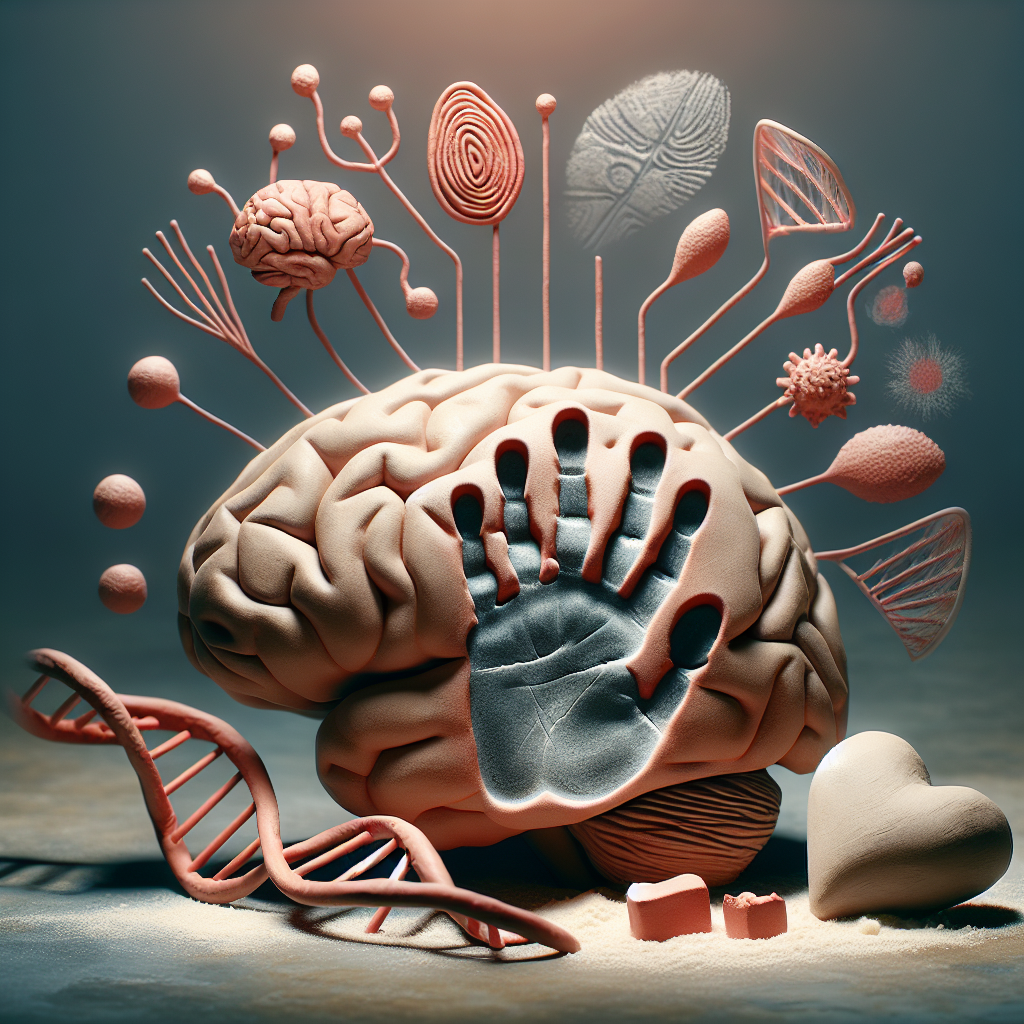
The Lasting Effects of Childhood Trauma on Our Brains, Bodies, and Genes
The Lasting Effects of Childhood Trauma on Our Brains, Bodies, and Genes
Understanding Childhood Trauma
Childhood trauma refers to adverse experiences during formative years, which can have profound and enduring impacts on an individual’s mental and physical health. These experiences can range from physical abuse to emotional neglect, and their effects can ripple through a person’s life.

Impact on the Brain
Trauma during childhood can significantly alter brain development, leading to:

- Changes in brain structure and function, particularly in areas related to stress response and emotional regulation.
- Increased risk of mental health disorders such as anxiety, depression, and PTSD.
- Impaired cognitive functions, including memory and attention.
Effects on the Body
The physical repercussions of childhood trauma are equally significant, manifesting as:

- Heightened stress response, leading to chronic health issues like heart disease and diabetes.
- Weakened immune system, making individuals more susceptible to illnesses.
- Increased likelihood of engaging in risky behaviors, such as substance abuse.
Genetic Implications
Emerging research suggests that childhood trauma can even influence genetic expression through a process known as epigenetics:
- Trauma can alter the way genes are expressed, potentially affecting future generations.
- These changes can predispose individuals to various health conditions.
Pathways to Healing
Despite the profound impacts of childhood trauma, recovery and healing are possible through:
- Therapeutic interventions, such as cognitive-behavioral therapy and trauma-focused therapy.
- Building supportive relationships and environments that foster resilience.
- Mindfulness practices and stress-reduction techniques to improve emotional regulation.
Conclusion
Childhood trauma leaves a lasting imprint on the brain, body, and genes, influencing an individual’s health and behavior throughout their life. Understanding these impacts is crucial for developing effective interventions and support systems. With appropriate care and support, individuals can overcome the challenges posed by early trauma and lead fulfilling lives.