Separatist Conflicts in Cameroon and Nigeria Disrupt Children’s Education
Separatist Conflicts in Cameroon and Nigeria Disrupt Children’s Education
Overview of the Crisis
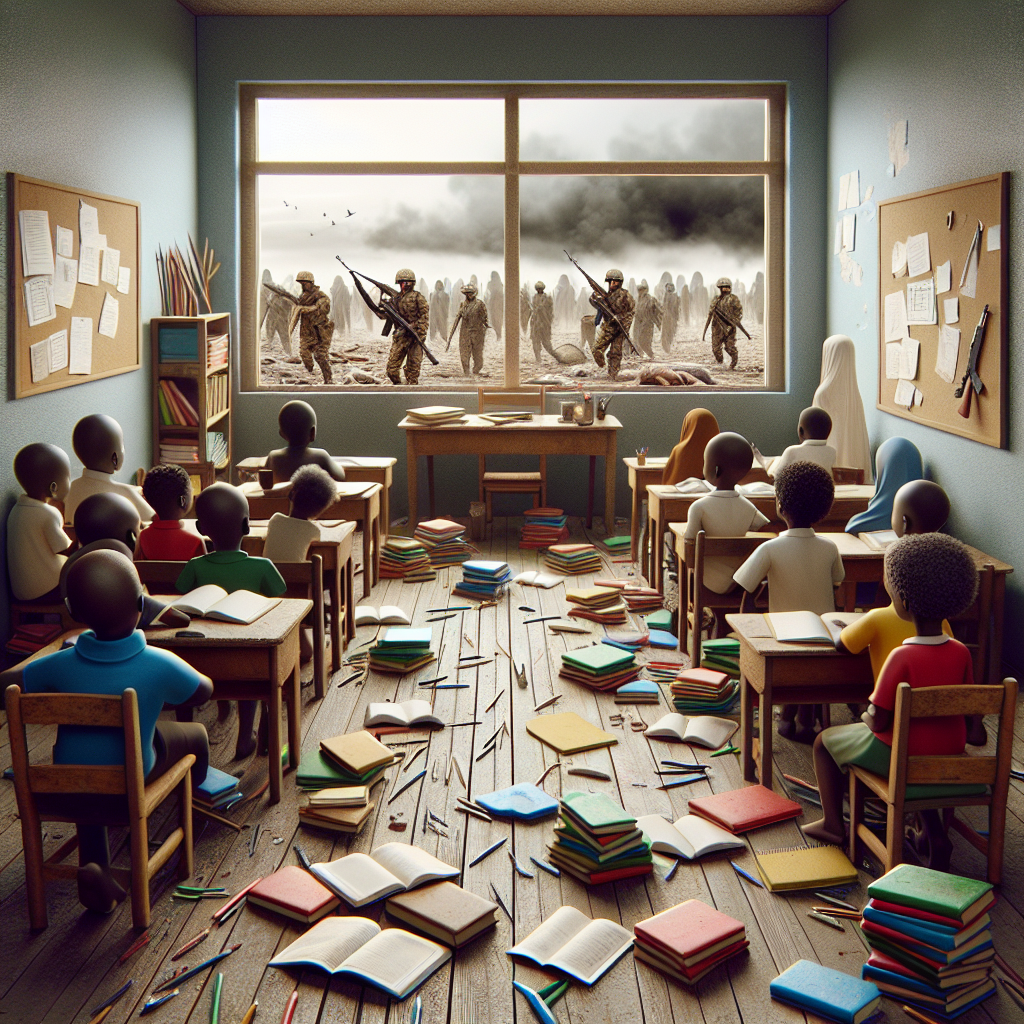
The ongoing separatist conflicts in Cameroon and Nigeria have severely impacted the education sector, leaving thousands of children without access to schooling. The violence and instability in these regions have created a challenging environment for educational institutions to operate effectively.

Key Challenges Faced
- School Closures: Numerous schools have been forced to shut down due to safety concerns, depriving children of their right to education.
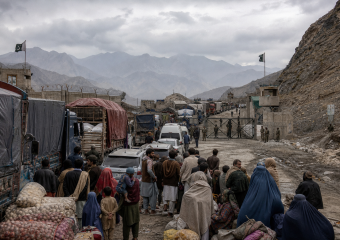
- Displacement: Many families have been displaced by the conflict, leading to disruptions in children’s education as they move to safer areas.
- Lack of Resources: The conflict has strained resources, making it difficult for schools to provide necessary materials and support for students.
- Psychological Impact: The ongoing violence has had a significant psychological impact on children, affecting their ability to learn and thrive in educational settings.
Efforts to Mitigate the Impact
Various organizations and governments are working to address the educational disruptions caused by the conflicts. Efforts include:

- Alternative Learning Programs: Initiatives to provide education through non-traditional means, such as online platforms and community-based learning centers.
- Support for Displaced Families: Providing resources and support to families who have been displaced to ensure children can continue their education.
- Advocacy for Peace: Encouraging dialogue and peace-building efforts to create a stable environment conducive to education.
Conclusion
The separatist conflicts in Cameroon and Nigeria have created significant barriers to education for children in affected regions. While efforts are being made to mitigate these challenges, the situation remains dire, with thousands of children at risk of losing their educational opportunities. Addressing these issues requires a concerted effort from local governments, international organizations, and communities to ensure that every child has access to safe and quality education.