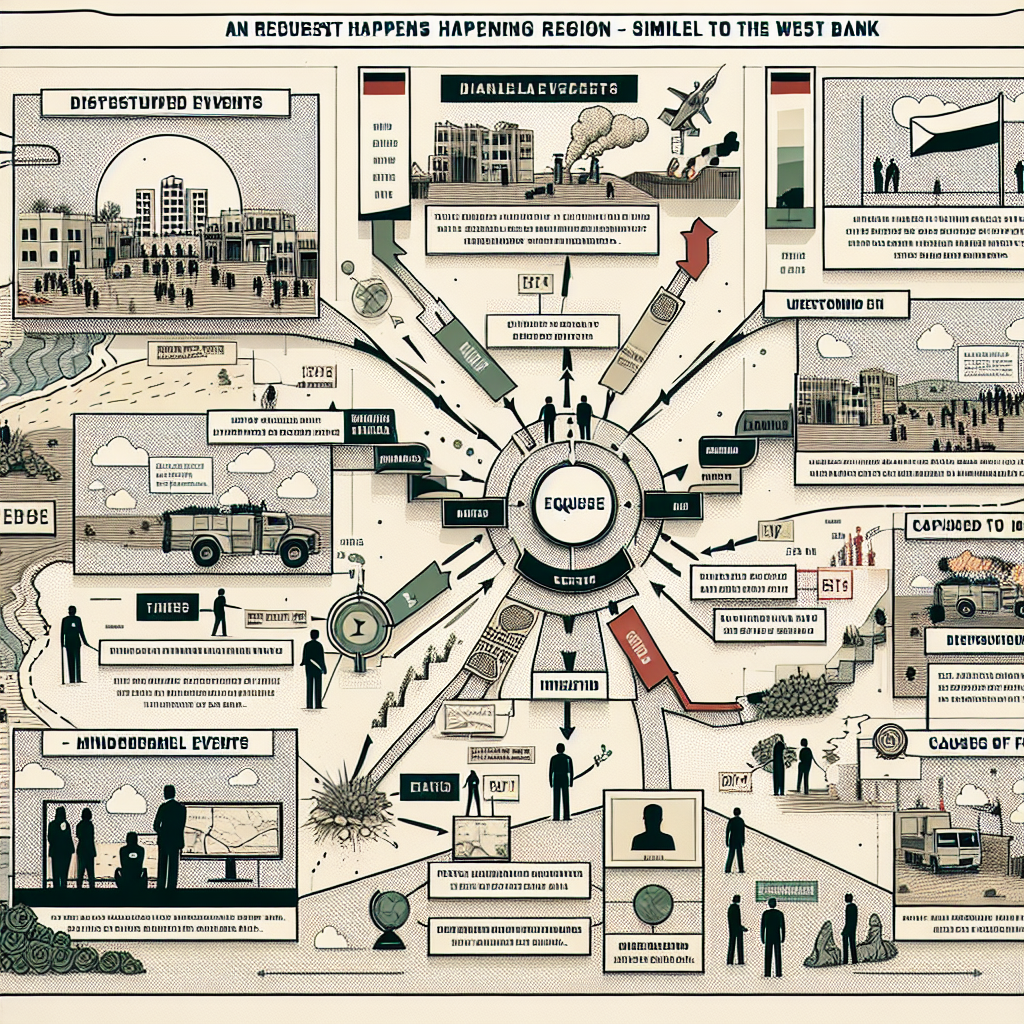
Current Developments in the Occupied West Bank: Understanding the Timing and Causes
Current Developments in the Occupied West Bank: Understanding the Timing and Causes
Background and Context
The Occupied West Bank has been a focal point of geopolitical tension for decades, with recent developments intensifying the situation. Understanding the timing and causes of these events is crucial for comprehending the broader implications on regional stability and international relations.

Key Developments
- Increased Settler Activity: There has been a notable rise in Israeli settler activity, leading to heightened tensions with Palestinian communities.
- Military Operations: The Israeli Defense Forces (IDF) have conducted several operations, citing security concerns and the need to counteract militant activities.
- Political Shifts: Changes in both Israeli and Palestinian political landscapes have influenced the dynamics in the region, with new leaderships impacting negotiation stances.
Causes Behind the Developments
- Security Concerns: Israel cites security threats from militant groups as a primary reason for increased military presence and operations.
- Settlement Expansion: The expansion of settlements is driven by ideological, political, and economic factors, contributing to the ongoing conflict.
- International Influence: Global political shifts and foreign policy changes, particularly from key players like the United States, have affected the situation.
Timing of the Developments
The timing of these developments is influenced by several factors, including:

- Political Cycles: Elections and changes in government often lead to shifts in policy and strategy.
- Anniversaries and Historical Dates: Significant dates in the Israeli-Palestinian conflict often see a spike in tensions and activities.
- International Events: Global events, such as international summits or changes in diplomatic relations, can impact the timing of developments.
Implications and Future Outlook
The current developments in the Occupied West Bank have significant implications for regional stability and international diplomacy. The ongoing tensions could lead to further escalation if not addressed through diplomatic channels. The international community’s role in mediating and supporting peace efforts remains crucial.

Conclusion
The situation in the Occupied West Bank is complex, driven by a mix of security concerns, political shifts, and international influences. Understanding the timing and causes of recent developments is essential for anticipating future trends and fostering a peaceful resolution. Continued attention and engagement from global stakeholders are vital to addressing the underlying issues and promoting stability in the region.