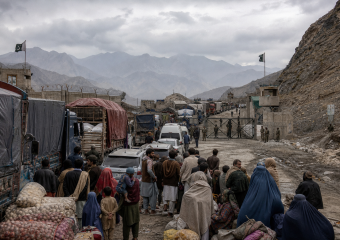
Colombia’s President Petro Enacts Emergency Powers in Response to Border Violence
Colombia’s President Petro Enacts Emergency Powers in Response to Border Violence
Introduction
In a decisive move to address escalating violence along Colombia’s borders, President Gustavo Petro has enacted emergency powers. This strategic decision aims to curb the increasing threats posed by armed groups and ensure the safety of citizens in affected regions.

Reasons for Emergency Powers
The decision to implement emergency powers stems from several critical factors:

- Rising violence and instability in border areas.
- Increased activity of armed groups threatening national security.
- Need for swift and effective governmental response to protect civilians.
Key Measures Under Emergency Powers
President Petro’s emergency powers include a range of measures designed to restore order and security:

- Deployment of additional military and police forces to border regions.
- Implementation of curfews and travel restrictions in high-risk areas.
- Enhanced surveillance and intelligence operations to dismantle armed groups.
Impact on Local Communities
The enactment of emergency powers is expected to have significant implications for local communities:
- Increased security presence may lead to improved safety and stability.
- Potential disruptions to daily life due to curfews and travel restrictions.
- Heightened tensions as authorities crack down on illegal activities.
International Reactions
The international community has responded with a mix of support and concern:
- Neighboring countries express solidarity with Colombia’s efforts to combat violence.
- Human rights organizations urge caution to ensure measures respect civil liberties.
- Calls for regional cooperation to address cross-border security challenges.
Conclusion
President Petro’s enactment of emergency powers marks a pivotal moment in Colombia’s efforts to tackle border violence. While the measures aim to restore peace and security, their success will depend on careful implementation and respect for human rights. The situation remains dynamic, with ongoing developments likely to shape the region’s future stability.