Demonstrations Erupt in Slovakia Over Prime Minister Fico’s Pro-Russia Stance
Demonstrations Erupt in Slovakia Over Prime Minister Fico’s Pro-Russia Stance
Background
Slovakia is witnessing a wave of public demonstrations in response to Prime Minister Robert Fico’s perceived pro-Russia stance. The political climate in Slovakia has become increasingly tense as citizens express their discontent with the government’s foreign policy direction.

Key Issues
- Pro-Russia Allegations: Prime Minister Fico has been criticized for his favorable comments towards Russia, which many Slovaks view as contrary to the country’s interests and its alignment with the European Union.
- Public Discontent: The demonstrations reflect a broader dissatisfaction with Fico’s leadership and his approach to international relations, particularly in the context of the ongoing conflict in Ukraine.
- Political Tensions: The protests have intensified political divisions within Slovakia, with opposition parties seizing the opportunity to challenge Fico’s government.
Public Response
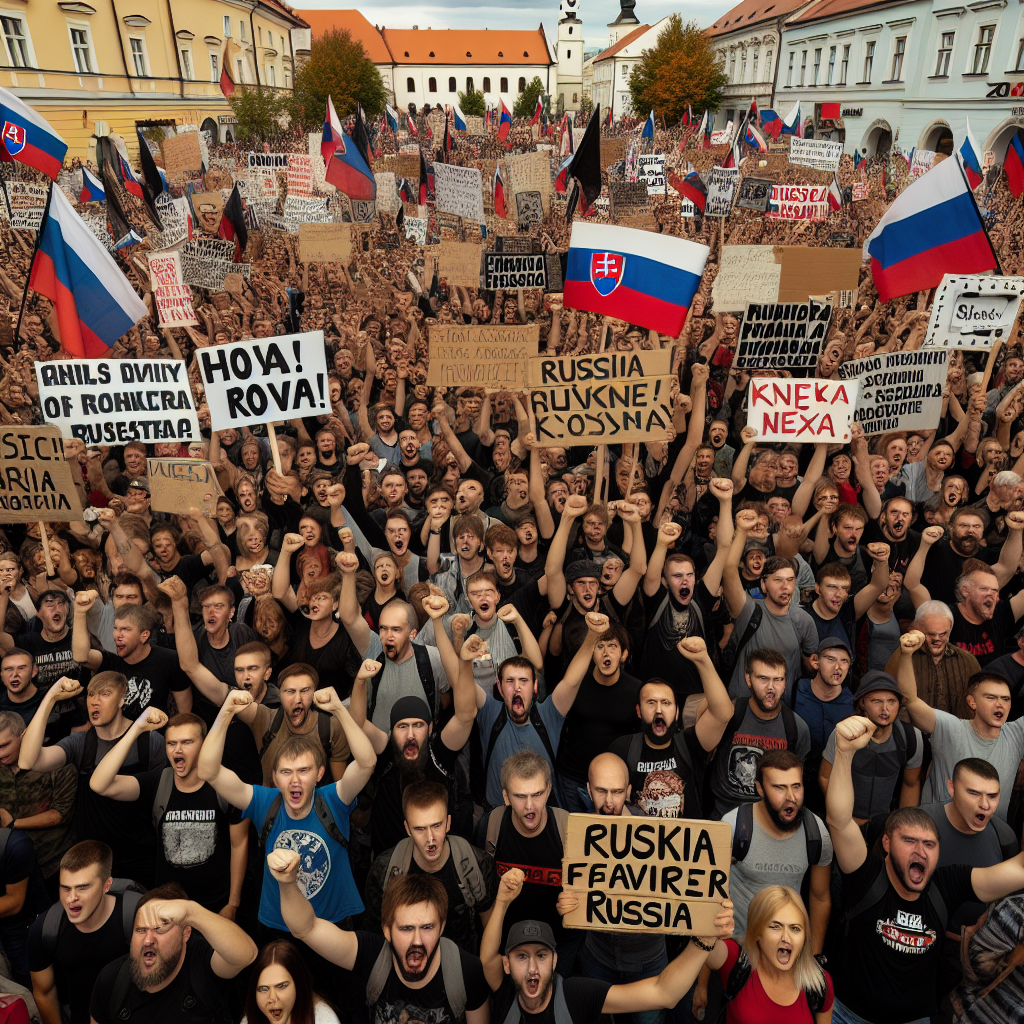
The demonstrations have drawn significant crowds, with participants from various sectors of society, including students, activists, and political figures. The protests have been largely peaceful, but they underscore a growing demand for a shift in Slovakia’s foreign policy.

Government Reaction
In response to the protests, Prime Minister Fico has defended his stance, arguing that maintaining a balanced relationship with Russia is crucial for Slovakia’s economic and security interests. However, his statements have done little to quell public unrest.

Implications for Slovakia
- Foreign Policy Reevaluation: The demonstrations may prompt a reevaluation of Slovakia’s foreign policy, particularly its stance towards Russia and its commitments to the EU and NATO.
- Political Landscape: The ongoing protests could lead to significant shifts in the political landscape, potentially affecting upcoming elections and the balance of power within the government.
- Social Cohesion: The events highlight the need for greater social cohesion and dialogue between the government and its citizens to address underlying concerns.
Conclusion
The demonstrations in Slovakia over Prime Minister Fico’s pro-Russia stance highlight a critical juncture in the nation’s political and social landscape. As public discontent grows, the government faces mounting pressure to address citizens’ concerns and potentially recalibrate its foreign policy. The outcome of these protests could have lasting implications for Slovakia’s future direction both domestically and internationally.