
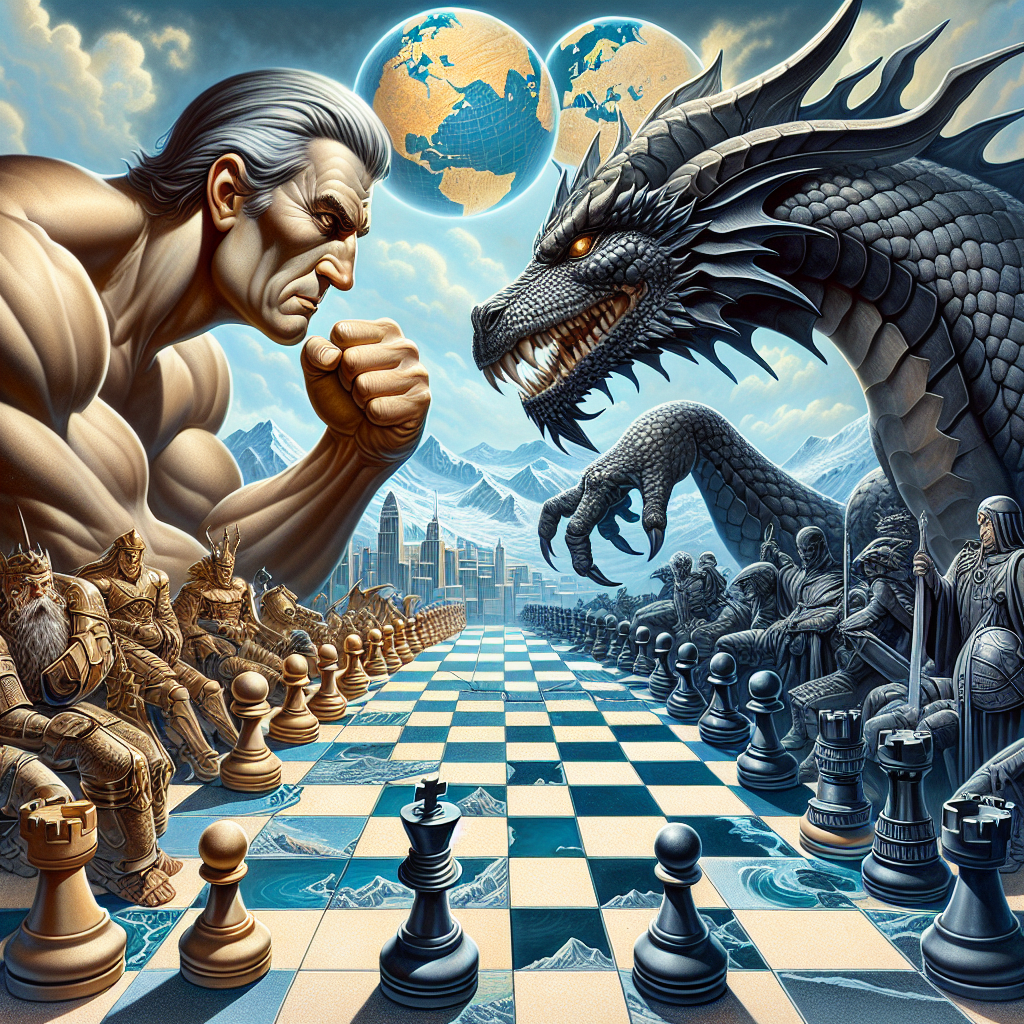
Trump vs China: A new chapter in the battle for global supremacy
Trump vs China: A New Chapter in the Battle for Global Supremacy
Introduction
The geopolitical landscape is witnessing a renewed confrontation between the United States and China, with former President Donald Trump at the forefront. This ongoing rivalry is shaping the future of global power dynamics, impacting international trade, technology, and diplomacy.

Key Areas of Conflict
- Trade Tensions: The trade war initiated during Trump’s presidency continues to influence economic policies, with tariffs and trade barriers affecting global markets.
- Technological Dominance: The competition for technological supremacy, particularly in areas like 5G and artificial intelligence, remains a critical battleground.
- Diplomatic Strategies: Both nations are leveraging diplomatic channels to expand their influence, with the U.S. seeking to strengthen alliances and China focusing on its Belt and Road Initiative.
Impact on Global Markets
The ongoing tensions have significant implications for global markets, with investors closely monitoring developments. The uncertainty surrounding U.S.-China relations affects stock markets, currency valuations, and international trade agreements.

Potential Outcomes
- Economic Realignment: A shift in global supply chains as companies seek to mitigate risks associated with U.S.-China tensions.
- Technological Innovation: Increased investment in technology sectors as both nations strive for leadership in innovation.
- Geopolitical Shifts: Potential realignment of global alliances as countries navigate the U.S.-China rivalry.
Conclusion
The Trump vs China narrative represents a pivotal chapter in the quest for global supremacy. As both nations vie for dominance, the world watches closely, aware that the outcomes of this rivalry will shape the future of international relations and economic landscapes. The stakes are high, and the implications are far-reaching, making this a critical issue for policymakers and global leaders alike.













