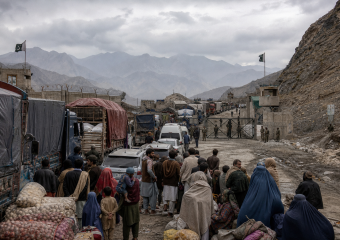
Did Donald Trump Suggest the Ethnic Cleansing of Gaza?
Did Donald Trump Suggest the Ethnic Cleansing of Gaza?
Background
Recent statements by former U.S. President Donald Trump have sparked controversy and debate over his stance on the ongoing conflict in Gaza. His comments have been interpreted by some as advocating for extreme measures, raising concerns about the implications of his rhetoric.

Key Points of Controversy
- Ambiguous Language: Trump’s statements were perceived as vague, leading to varied interpretations regarding his intentions.
- Historical Context: The remarks come amid heightened tensions in the Middle East, where the Israeli-Palestinian conflict remains a sensitive issue.
- Political Reactions: Politicians and analysts have weighed in, with some condemning the comments as inflammatory and others defending them as misinterpreted.
Reactions and Implications
The reactions to Trump’s comments have been mixed, with significant implications for both domestic and international politics:

- Domestic Impact: The statements have fueled debates within the U.S. about foreign policy and the role of political rhetoric in international conflicts.
- International Concerns: Global leaders and organizations have expressed concern over the potential escalation of violence and the humanitarian impact on Gaza.
- Media Coverage: The media has played a crucial role in shaping public perception, with coverage varying widely across different outlets.
Conclusion
In summary, Donald Trump’s recent comments regarding Gaza have ignited a firestorm of debate and concern. While interpretations of his statements vary, the controversy underscores the delicate nature of political discourse surrounding the Israeli-Palestinian conflict. The situation highlights the importance of clear communication and the potential consequences of ambiguous rhetoric in international relations.