Embracing Tragedy: Art Amplifying Myanmar’s Overlooked Struggle
Embracing Tragedy: Art Amplifying Myanmar’s Overlooked Struggle
Introduction
Myanmar’s ongoing struggle for democracy and human rights has often been overshadowed by global events. However, artists within the country are using their craft to bring attention to these issues, transforming tragedy into powerful expressions of resistance and hope.

The Role of Art in Myanmar’s Struggle
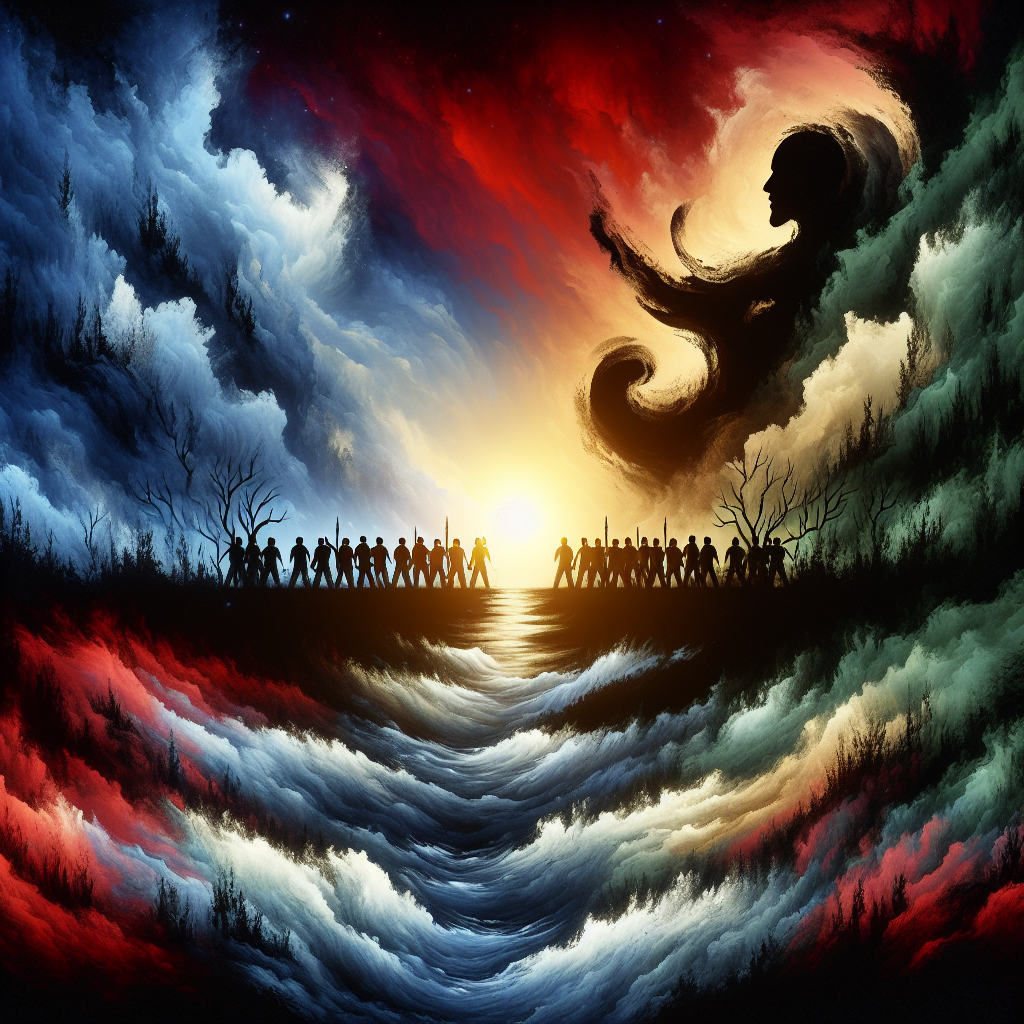
Art has become a vital tool for Myanmar’s citizens to voice their dissent and document their experiences. Through various forms, artists are shedding light on the country’s political and social turmoil.

- Visual Arts: Paintings and murals depict scenes of protest and resilience, capturing the emotional landscape of the nation.
- Performance Art: Street performances and theater acts serve as poignant reminders of the ongoing conflict and the people’s unwavering spirit.
- Digital Media: Social media platforms are being utilized to share art that challenges censorship and reaches a global audience.
Impact on Global Awareness
The artistic movement in Myanmar is not only a form of internal resistance but also a call to the international community. By amplifying their voices through art, Myanmar’s artists are urging the world to pay attention and take action.

- International Exhibitions: Artworks from Myanmar are being showcased globally, raising awareness and fostering solidarity.
- Collaborations: Artists are partnering with international organizations to create impactful projects that highlight Myanmar’s plight.
Challenges Faced by Artists
Despite their efforts, artists in Myanmar face significant challenges, including censorship, persecution, and limited resources. Yet, their determination to continue creating and sharing their work remains steadfast.
- Censorship: Government restrictions make it difficult for artists to freely express their views.
- Persecution: Many artists risk arrest and violence for their involvement in the resistance movement.
- Resource Scarcity: Limited access to materials and funding hinders the production and distribution of art.
Conclusion
Art in Myanmar is a powerful testament to the resilience and courage of its people. By embracing tragedy and transforming it into creative expression, artists are not only documenting their nation’s struggle but also inspiring global action and empathy. Their work serves as a reminder of the enduring power of art to challenge oppression and ignite change.