HRW Highlights Risks to Pregnant Women and Newborns in Gaza Incubators
HRW Highlights Risks to Pregnant Women and Newborns in Gaza Incubators
Overview
Human Rights Watch (HRW) has raised alarms about the precarious conditions faced by pregnant women and newborns in Gaza, particularly those relying on incubators. The ongoing conflict and resource scarcity have exacerbated the risks, threatening the health and survival of these vulnerable groups.

Key Concerns
- Resource Shortages: Critical shortages of medical supplies and electricity are severely impacting healthcare facilities.
- Healthcare Infrastructure: Damage to hospitals and clinics has reduced the capacity to provide adequate care.
- Access to Care: Movement restrictions and security concerns hinder access to essential medical services.
Impact on Pregnant Women
Pregnant women in Gaza face heightened risks due to limited prenatal and postnatal care. The lack of resources and medical staff further complicates childbirth, increasing the likelihood of complications.

Challenges for Newborns
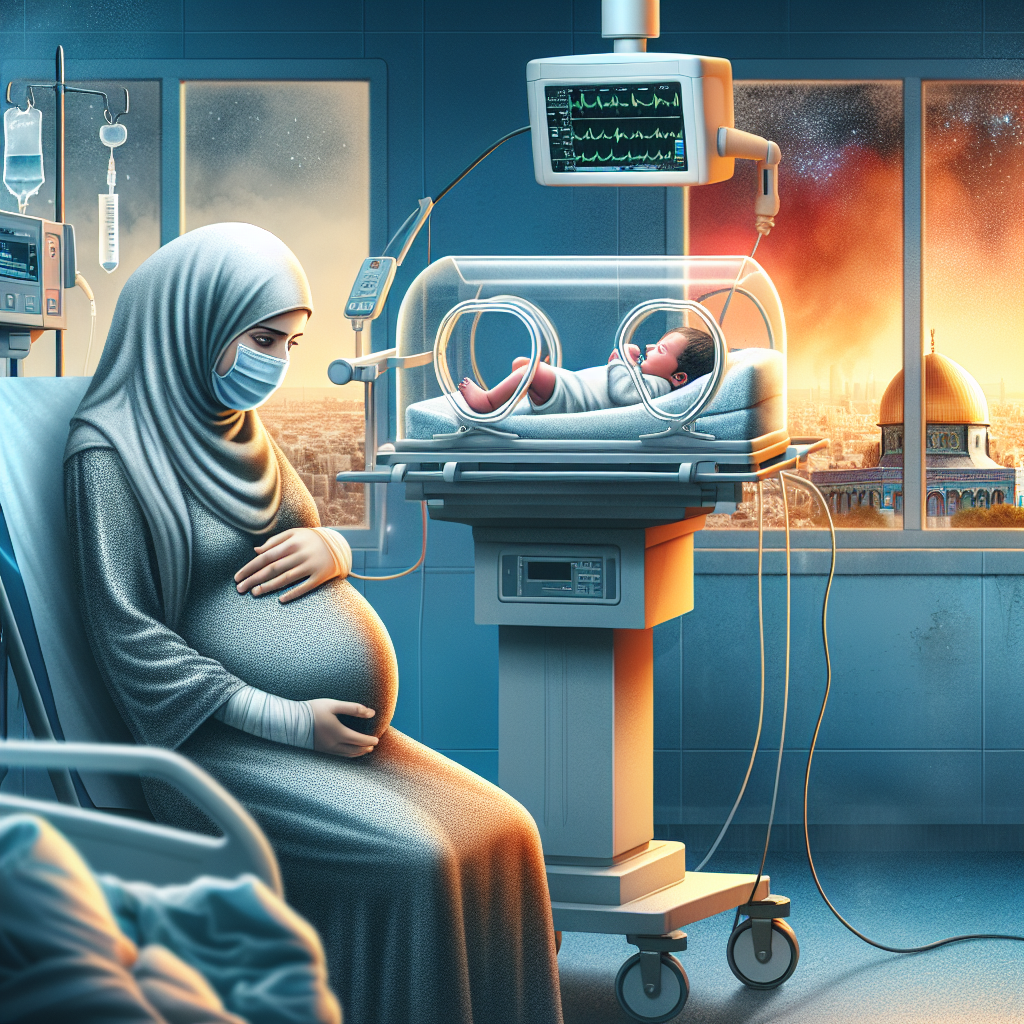
Newborns, especially those in need of incubators, are at significant risk due to power outages and equipment shortages. The inability to maintain stable conditions in incubators can lead to severe health issues or fatalities.

HRW’s Call to Action
HRW urges international intervention to address the humanitarian crisis. They call for:
- Immediate restoration of medical supplies and electricity.
- Protection of healthcare facilities from conflict-related damage.
- Facilitation of safe access to medical care for all residents.
Conclusion
The situation in Gaza presents a dire challenge for pregnant women and newborns, with HRW emphasizing the urgent need for international support to mitigate these risks. Addressing resource shortages and ensuring safe access to healthcare are critical steps in safeguarding the health and well-being of these vulnerable populations.